
Under EU category rules, rum comes from fermented cane material, is distilled below 96% abv, retains rum character and is bottled at a minimum of 37.5% abv. CARICOM sets a regional baseline for rum sold in its member states.
Academy guide / Expanded edition
Caribbean
Rum
Cane, Fermentation, Distillation & House Style.
Caribbean rum is a family of cane-spirit traditions shaped by different laws, raw materials, fermentation systems, stills, maturation climates and blending cultures. Start with the rulebook, then follow the choices from cane to glass.
ScopeThis guide stays Caribbean-wide first. When a technique belongs to a specific tradition, such as Jamaican high-ester fermentation or Martinique AOC agricole, the chapter names that scope directly.
Start the guide →Carousel PDF ↓Continue reading →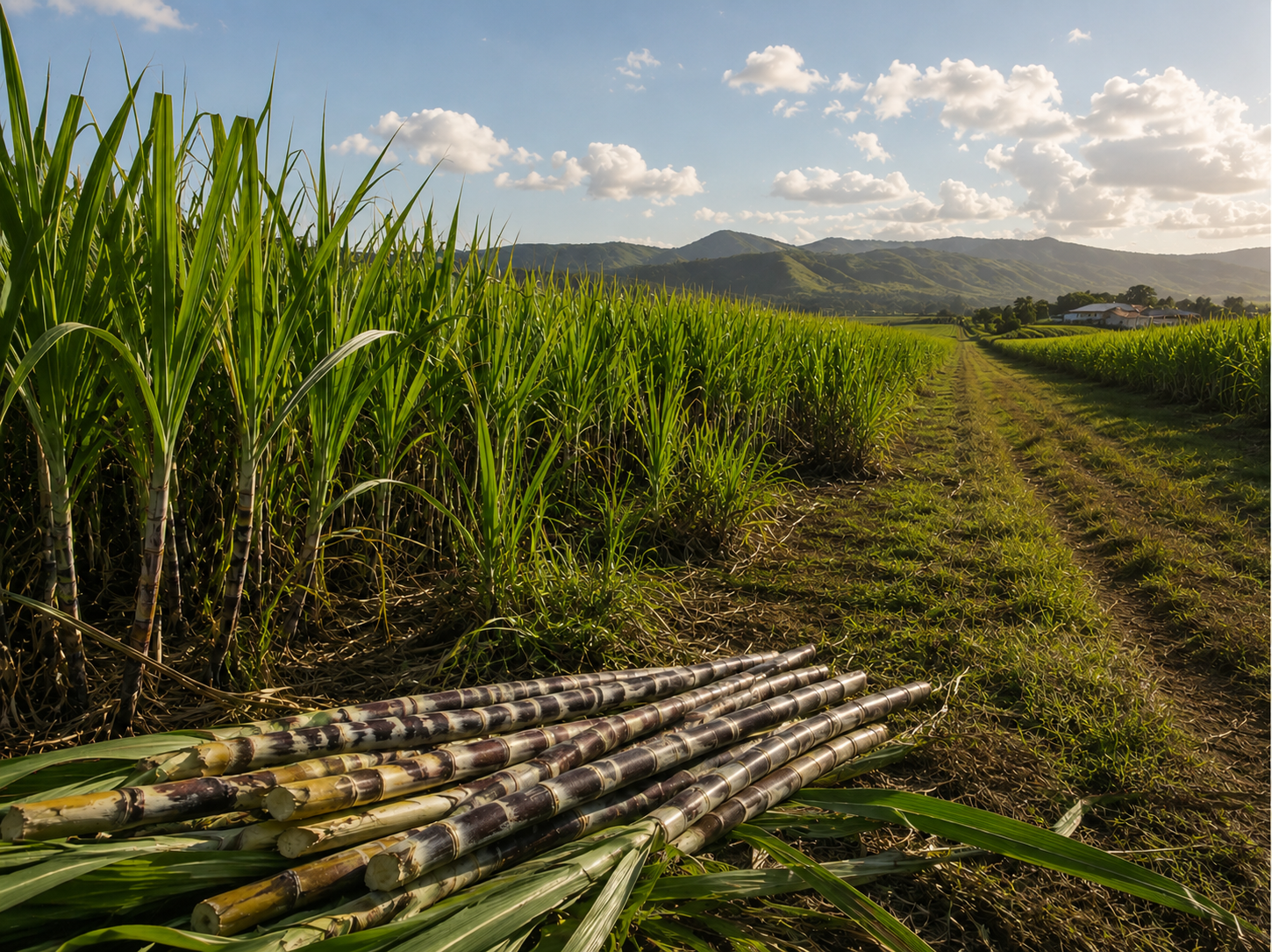
What you will learn
01
Read origin and the rulebook
02
Follow cane → fermentation → still
03
Translate production into bottle and glass
Guide contents
Nine short chapters. Start with origin, then follow cane → fermentation → distillation → maturation → bottle → glass. Sources and further reading sit together at the end.
Origin sets the rulebook
Start with jurisdiction. Caribbean rum sits inside multiple national, regional and protected systems, so the applicable rulebook changes with origin and market.
Cane material, fermentation system, still configuration, cut points, cask programme, maturation location, marks, blending, filtration and bottling strength within the applicable rules.
The legal name protects a cane-spirit category. Fermentation, distillation, maturation and blending create the wide range of aroma, flavour, weight and texture.
The historical context
Rum emerged in the seventeenth-century Caribbean as sugar production created fermentable juice, syrup and molasses. Its growth was tied to plantation agriculture, maritime trade, colonial power, forced labour and enslavement. The category carries technical innovation, cultural identity and serious historical weight.
Category clarity
Rum is governed by rules that change with origin, protected status and market.
Read the rulebook first
Name the jurisdiction before stating a rule. EU sales law, the CARICOM standard, Jamaica Rum GI and Martinique AOC answer different questions. Keep each rule inside its own jurisdiction and protected framework.
Begin with origin and legal framework. Then follow the producer's choices from cane to bottle.
Check yourself
Why should origin come before a legal claim?
Answer it before revealing the explanation.
Answer
Because Caribbean rum sits inside several legal and protected systems. Origin tells you which rulebook can support the claim.
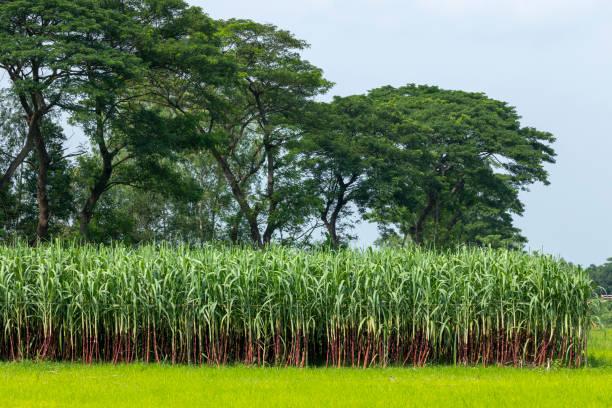
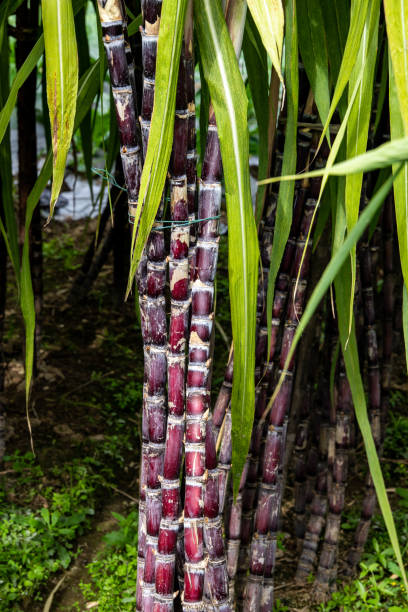
Cane sets the starting point
Fresh juice, syrup and molasses change the conditions fermentation begins with.
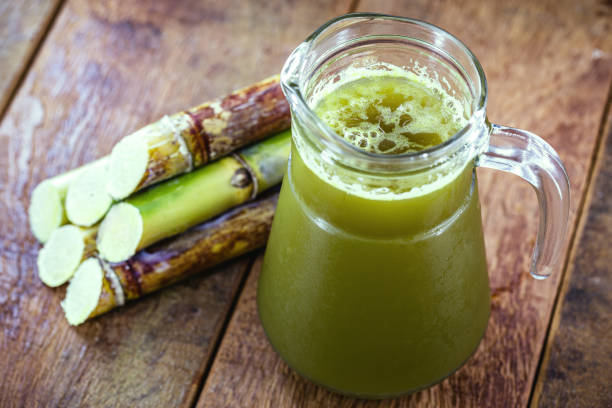
Fresh cane juice
Juice deteriorates quickly after crushing, so processing normally happens close to harvest. Production follows the crop more closely and cane origin becomes especially relevant.
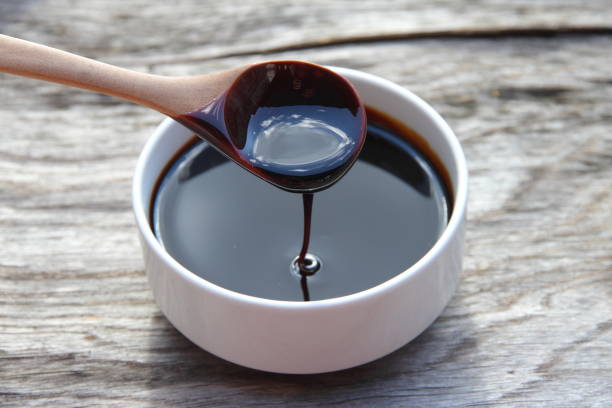
Molasses and syrup
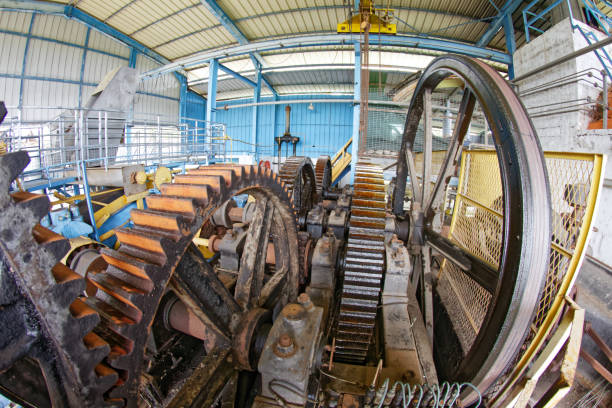
Molasses is a sugar-refining product rich in fermentable and non-fermentable material. Distillers assess sugar content, minerals, nitrogen and impurities, then dilute and prepare it for fermentation. Cane syrup offers greater stability than fresh juice while retaining a closer link to the original juice.
Worth noting
Molasses supplies fermentable sugar, and fermentation converts that sugar into alcohol and other compounds. The finished rum may present dry or sweet depending on the complete production and finishing choices.
Raw material sets the starting conditions. Fermentation and distillation decide how those conditions reach the spirit.
See it appliedBarbados · Cane RoutesCompare Mount Gay molasses, St. Nicholas Abbey cane syrup and WIRD fresh-cane research.→Continue · Chapter 03Fermentation builds aroma →Fermentation builds aroma
Yeast builds alcohol and flavour-active compounds before the still makes its selections.
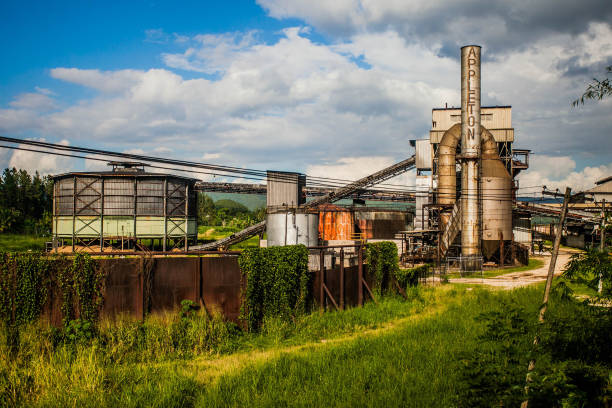
The mechanism
Yeast converts sugars into ethanol, carbon dioxide and heat. Vessel material, pitching rate, nutrients, temperature, acidity, bacterial activity and time alter the wash. Short, controlled cycles often support cleaner profiles. Longer and more microbially complex cycles can build greater aromatic intensity.
Big myth
Fermentation length is a style tool. Longer fermentation creates more opportunity for microbial activity, and that activity must suit the intended mark.
Distillation can concentrate, transform or reject fermentation compounds. It cannot recover aroma that fermentation never created.
Check yourself
What does fermentation contribute before distillation begins?
Answer it before revealing the explanation.
Answer
Alcohol plus flavour-active material such as acids, higher alcohols, aldehydes and esters. Distillation later concentrates, transforms and selects from that material.
High-ester production uses specialised tools
Dunder and muck can support selected high-ester marks, especially in Jamaica. Read them as specific production tools within a much wider rum category.
DunderThe acidic liquid left in the pot after distillation. A controlled portion may return to fermentation.
MuckA deliberately managed, microbially active material associated with some Jamaican high-ester production.
EsterificationAcids react with alcohols to form esters that can smell fruity, floral or solvent-like.
MarkA specific distillate specification designed for later use, sale or blending.
Dunder
Dunder is stillage from a completed batch. It can contribute acidity and recycled flavour-active material when a distillery returns a controlled amount to a new fermentation.
Muck
Muck is a specialised microbial flavour source whose composition varies by distillery. It may include cane material and process residues. Its fatty acids can become powerful esters after reacting with alcohol.
Scope note
These methods are strongly associated with Jamaica. Individual Jamaican distilleries use different systems, and muck is applied selectively within Jamaican production.
High-ester character begins before the still. The still concentrates a fermentation system built for a specific mark.
Standalone deep dive03 / Jamaican Rum →Continue · Chapter 05Still systems shape the spirit →Still systems shape the spirit
Pot stills, double retorts and column systems create different possibilities. Configuration and operation determine what each system actually produces.
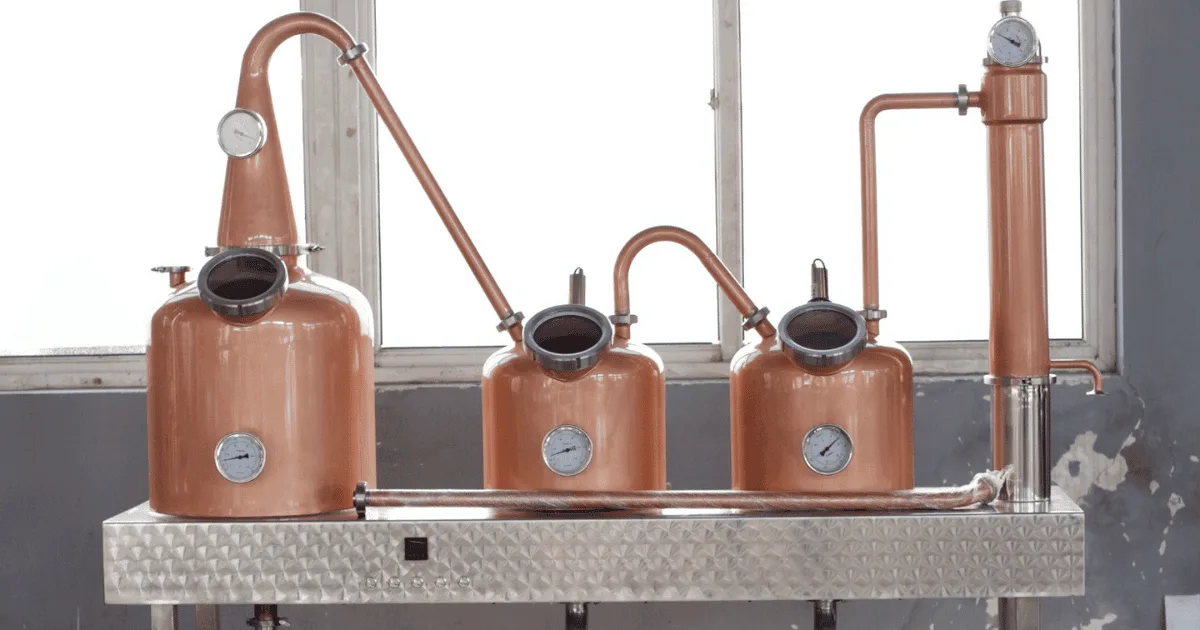
What retorts do
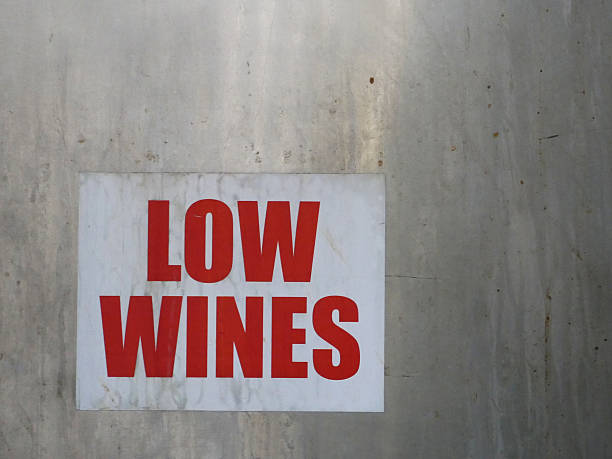
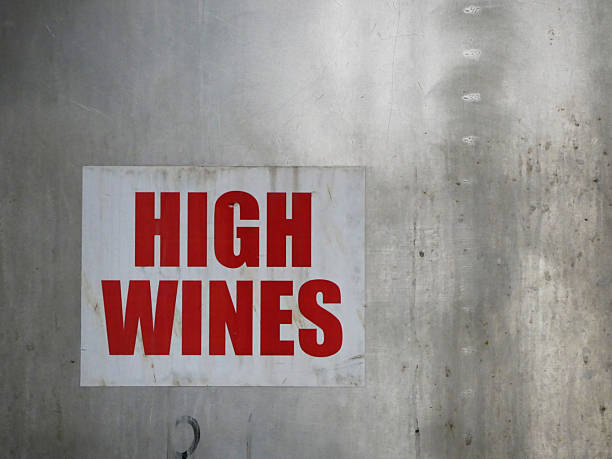
Each retort holds a liquid charge. Vapour from the pot bubbles through the low wines retort, then the high wines retort, carrying out successive concentration stages during one batch operation. Retort charges and operating methods vary between distilleries.
What columns do
Single-, double- and multiple-column systems are used across the Caribbean. Continuous columns separate spirit across plates and take-off points; depending on design, rectification and operation, they can produce lighter marks, more characterful rum components or highly rectified spirit.
Reading the still
Still type provides one piece of evidence. Fermentation, rectification, cuts and operation complete the style explanation.
Worth noting
Column still does not automatically mean light rum.
Still type is only the starting point. A column system can be configured and operated to produce a broad range of marks, while hybrid systems combine batch distillation with additional rectification.
One continuous system can supply several spirit weights
Angostura describes its current rum production as distilled in continuous stills. In the production model documented in our technical study material, varying take-off points across the column system allows different marks to be collected—from heavier and lighter rum components through to highly rectified neutral spirit for vodka production. Angostura’s current 7 Year Old is described by the producer as a blend of light, medium and heavy rums.
A Caribbean hybrid-still example
Hybrid stills are uncommon in the Caribbean. St. Nicholas Abbey’s Annabelle combines a pot still with a rectifying column, giving a small batch system additional rectification while retaining selected fermentation-derived compounds.
Ask how the still is configured, where spirit is collected and what mark the distiller intends to make.
Check yourself
What is the practical job of the two retorts?
Answer it before revealing the explanation.
Answer
They create successive concentration stages inside one batch system: vapour from the pot passes through the low wines retort and then the high wines retort before condensation and spirit selection.
Marks and blending build house style
Distilleries can make deliberately different marks, then combine selected components into a target profile.
Light markCleaner, more rectified component designed for structure and accessibility.
Fruity markFermentation-led component carrying clear ester and fruit character.
Heavy markFuller component with greater congener intensity, weight and persistence.
House blendMarks, still systems, ages and cask histories combined for balance and identity.
A mark is a specification
A mark or marque identifies a particular distillate style. Fermentation, still operation, collection strength and congener targets define what the blender receives.
Blending is architecture
Blenders can combine light and heavy marks, pot and column components, multiple ages, cask types and distilleries. Stock planning begins years before the final vat is assembled.
Worth noting
Blending is a core production skill. Authenticity depends on provenance and disclosure, while quality depends on the intention and execution of the composition.
A bottle may contain many liquids designed to work together. Read single mark, single distillery and single cask as separate claims.
See it appliedBarbados · Component BlendingSee why Mount Gay and Foursquare create separate distillates before assembling a finished rum.→Continue · Chapter 07Casks and climate shape maturation →Casks and climate shape maturation
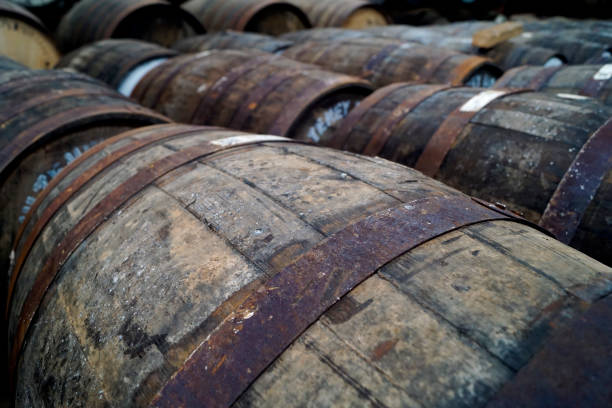
Age records time. Cask history, climate, location and warehouse management determine what that time does.
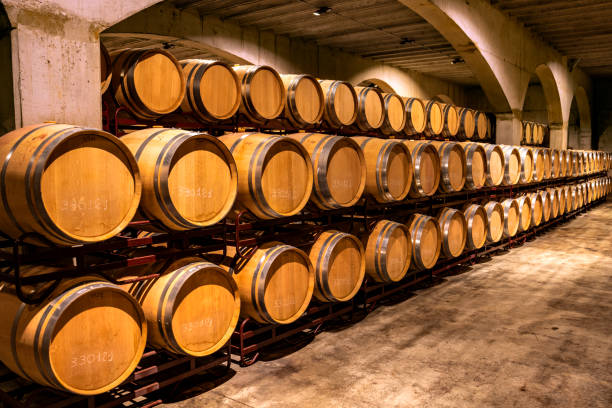
Legal context
Age claims follow the applicable rulebookRum has no universal global maturation minimum. Under the CARICOM standard, an aged-rum claim requires at least one year in wood and a stated age refers to the youngest rum.
Producer choice
Cask, place and time are managed togetherAgeing at origin or elsewhere where permitted, cask type, previous contents, size, fill history, entry strength, warehouse position, duration and finishing.
Tropical maturation
Warm conditions increase cask interaction and evaporation. They can build flavour quickly while increasing losses and the risk of excessive extraction. Humidity influences whether water or alcohol is lost more rapidly.
Continental maturation
Cooler conditions produce a different pace of extraction, evaporation and reaction. Continental ageing may preserve more fermentation-led character, depending on the spirit and cask.
Category clarity
Tropical years have no universal conversion into continental years. Cask activity, spirit, humidity, airflow and warehouse conditions prevent a reliable formula.
Ask where the rum matured, in which casks, for how long and under which age-statement rule.
Check yourself
Can tropical years be converted into a fixed number of continental years?
Answer it before revealing the explanation.
Answer
No universal conversion exists. Spirit, cask activity, temperature, humidity, airflow and warehouse conditions change the pace and character of maturation.
Origin gives the bottle context
Use origin to find the relevant production tradition and rulebook, then verify the process behind the label.
Explore eight Caribbean production traditions
Marks, fermentation and pot-retort heritage
Jamaica supports a broad spectrum from lighter column components to high-ester pot-retort marks. Jamaica Rum is a registered GI.
Fresh cane juice under an AOC
Rhum de la Martinique AOC controls origin, cane, fermentation, distillation and maturation terms including blanc, élevé sous bois and vieux.
Molasses, pot and column traditions
Barbadian producers are closely associated with component blending across pot and column distillates. Individual producer detail remains essential.
Still heritage and component diversity
Guyanese rum is recognised for varied still heritage and component-led blending. Current operation matters more than still history alone.
Juice and molasses traditions
Guadeloupe includes fresh cane juice and molasses production. Cane source, fermentation, column configuration and local maturation provide the detail.
Continuous distillation, component range and blending
Angostura’s current production uses continuous stills and blends differently weighted rum components. Historic Caroni adds a separate Trinidad distilling legacy that deserves producer-specific treatment.
Deliberate refinement
These traditions often combine molasses, continuous distillation, maturation, filtration and blending to build clean, balanced rum.
Clairin and local cane practice
Haitian clairin highlights local cane varieties, cane-juice fermentation and small-scale distillation. Producer and regional practice provide precision.
| Common term | Useful meaning | What to verify |
|---|---|---|
| Clear or white | An appearance description. | Unaged, rested, lightly matured or charcoal filtered after maturation. |
| Gold, amber or dark | A colour description. | Cask extraction, component blending and any permitted caramel adjustment. |
| Aged | A maturation claim governed by the applicable standard. | Youngest-component rule, maturation location, cask and minimum qualifying period. |
| Overproof | Higher bottling strength. | ABV, intended use and the underlying fermentation and distillation style. |
| Cane juice or agricole | A raw-material clue. | Protected origin. Martinique AOC adds a full legal production system. |
| Spiced or flavoured | A flavoured cane-spirit product. | The exact legal designation and the difference from unflavoured rum. |
Label clue
Colour is weak evidence. Clear rum may be matured and filtered. Dark colour may come from cask extraction, blending or permitted caramel adjustment.
Read origin first, then cane material, distillery, fermentation evidence, still, maturation, age, ABV and additions.
Check yourself
A rum is completely clear. What does the colour confirm by itself?
Answer it before revealing the explanation.
Answer
Appearance. Clear rum may be unaged, rested, lightly matured or filtered after maturation, so age and production style need separate evidence.
Taste from evidence
Describe the glass first. Then connect only the production facts you can verify.
Five-question tasting tool
1. AromaWhich fruit, cane, floral, earthy or solvent-like signals appear first?
2. WeightLight, rounded, oily, concentrated or tannic?
3. FermentationDoes ester, acid or fresh-cane character lead?
4. MaturationWhat oak, spice, coconut, dried-fruit or oxidative notes appear?
5. EvidenceWhich production facts are confirmed, and which remain hypotheses?
Colour records appearance
ClearPale strawGoldAmberCopperChestnutMahoganyDeep brown
Use this Proof & Principle scale to record appearance consistently. Age, sweetness, still type and quality require separate evidence.
Build a useful tasting flight
Compare one variable at a time: fresh cane juice against molasses; restrained fermentation against high-aroma fermentation; pot-retort against column; unaged against tropical or continental maturation.
Translate for the guest
Lead with flavour and texture. Add one verified production fact that explains the experience. Keep regional shorthand in the background and give the bottle's actual origin and process priority.
Observe first. Identify the evidence. Keep every production explanation proportional and test it through comparison.
Reference chapterSources & Further Reading →Closing tools
Label-reading checklist
- Identify origin, GI or AOC first
- Find the cane material and distillery
- Separate colour words from production facts
- Check maturation location, age rule and cask detail
- Verify ABV, flavouring, colouring and sweetening claims
Five questions for the glass
- What do I perceive before explaining it?
- Does fermentation character lead, or does maturation lead?
- What weight and texture does the distillate suggest?
- Which production facts are confirmed?
- Which conclusions remain hypotheses?
REFSources & Further Reading
Legal, technical and educational references behind this Caribbean Rum guide. Kept together here so the learning path stays uninterrupted.
Law & standards
EU Regulation 2019/787Primary law · rum category and distillation rules CARICOM Rum StandardRegional standard · category and age-claim framework Jamaica Rum GI code of practiceProtected origin · Jamaican production and provenance Rhum de la Martinique AOCProtected origin · cane, fermentation, distillation and maturationFermentation & distillation
Rum fermentation: processes, challenges and optimisationResearch · fermentation systems and production variables Lees ageing and distillation process in rumResearch · process effects on spirit composition Key aroma compounds in rumResearch · aroma chemistry and sensory relevanceHouse of Angostura · process and styleProducer · molasses, continuous distillation and blendingAngostura 7 Year OldProducer · blend of light, medium and heavy rumsSt. Nicholas Abbey · AnnabelleProducer · combination pot still and distillation columnOrigins & category context
WIPO · Jamaica Rum geographical indicationProtected origin · GI context WSET · rum history, styles, origins and traditionsEducation · comparative category context WSET · light rum and dark rumEducation · colour and production context Authentic Caribbean Rum MarqueIndustry · regional provenance frameworkThe takeaway
Read the origin.
Then follow the process.
Caribbean rum is best understood by following raw material, fermentation, distillation, maturation, blending and label evidence together. The glass shows the result of those choices.