Approach gently
Keep the glass below the nose and take short, light sniffs. Strong ethanol vapour can create nasal irritation and make the next aroma harder to read.
Vodka & Neutral Spirits Library / Guide 12
Observe first. Describe clearly. Explain carefully.
Vodka can look simple and still carry meaningful differences in aroma, texture, alcohol warmth and finish. This guide gives bartenders a repeatable way to read those differences without turning tasting notes into guesses about production.
Scope The earlier vodka guides explain how the spirit is made and defined. This final guide stays inside the glass: what you can observe, how to describe it and where sensory interpretation should stop.
Start with observation → Continue where you left off →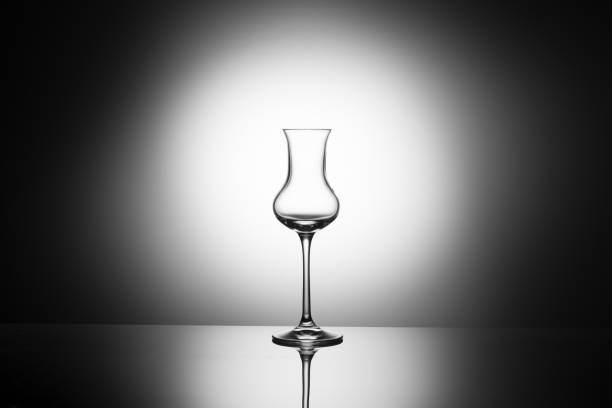
Build the tasting conditions first, then move through appearance, aroma, palate and finish. The last two chapters show how to compare real vodkas while keeping observation separate from inference.
A strong tasting note begins with what is actually in front of you. Cause comes later, after the glass, label and producer information have been considered together.
Clarity, colour and movement.
Intensity and aroma families.
Taste and flavour development.
Body, texture and alcohol warmth.
Length and what remains.
Connect observations carefully.
Examples include clear, light aroma, cereal, lemon peel, creamy texture, warming alcohol and medium finish. These words belong directly to the glass.
Raw material, filtration, still design, water source and number of distillations require producer or technical information. The glass can suggest possibilities and give you vocabulary for comparison.
Describe first. Compare second. Explain third. This order protects the tasting note from becoming a production story built from assumptions.
Comparison only works when the samples are treated consistently. Glass shape, temperature, pour size and order all change what reaches your senses.
A tulip shaped tasting glass helps gather aroma while keeping the liquid visible.
A small measure is enough for two careful sips and keeps a training flight controlled.
Start around 8 to 12°C, then revisit the glass as it warms. The change itself becomes part of the lesson.
Use identical clean glasses, equal pours and samples at the same starting temperature. Keep strongly scented food, perfume and cleaning products away from the tasting area. Water and a neutral palate reset help between samples.
Very cold vodka can feel softer and show less aroma. As the glass warms, aroma becomes easier to read and alcohol warmth becomes more obvious. For training, tasting the same sample twice can be more useful than arguing about one perfect serving temperature.
Plain vodka usually gives you fewer visual clues than darker spirits. That makes precision more important: record what you see and avoid asking the glass to reveal more than it can.
Hold the glass against a white background and check whether the liquid appears clear and bright.
Plain vodka is generally colourless. Any visible hue belongs in the note before you investigate its cause.
Swirl gently and observe sheeting or legs. Use this as a visual description of movement rather than a quality score.
Haze, sediment or visible particles deserve a second look at the bottle, storage conditions and producer information.
In practical language, viscosity describes how freely or slowly the liquid moves. A vodka may appear light and quick across the glass or show heavier sheeting. Confirm the impression on the palate because temperature, alcohol strength, dissolved material and the glass surface can all influence what you see.
Appearance gives you observations. Texture is confirmed in the mouth.
Vodka often speaks quietly. Start with intensity and broad aroma families, then move to more specific words only when they are clear.
Keep the glass below the nose and take short, light sniffs. Strong ethanol vapour can create nasal irritation and make the next aroma harder to read.
Use simple levels such as light, medium or pronounced. Intensity gives structure before you search for individual descriptors.
Cereal, bread, citrus, floral, spice, nut, cream, mineral and earthy are useful families. Move to a specific note only when you perceive it clearly.
This is what you smell directly from the glass before tasting. Temperature and alcohol vapour can change how strong the aroma seems.
As you swallow or spit and breathe out, aromas travel from the mouth toward the nose. This can reveal flavours that were quieter on the first sniff.
Clean can describe an aroma with few distracting notes and controlled alcohol prickle. Neutral can describe low aroma intensity. Neither word tells you the production method on its own.
A sip of vodka produces several sensations at once. Pull them apart so words such as smooth, creamy and hot actually mean something.
Look for broad families first: cereal, citrus, pepper, nut, cream, earth or floral notes. Aroma after the sip often expands the flavour picture.
Light, round, creamy, oily, silky and full describe mouthfeel. Texture is a physical sensation and should be written separately from flavour.
Ethanol activates the trigeminal system, the sensory network that reads heat and irritation. At spirit strength, warmth and tingling are expected parts of the experience.
Smooth can mean that alcohol warmth feels well integrated with flavour and texture. Integration means the warmth sits evenly inside the whole sip rather than dominating the first contact or finish. Temperature, ABV, sugar, water and other compounds can all influence that perception.
Balance is the overall relationship between aroma, flavour, texture, warmth and finish. A characterful vodka can still feel balanced even when it shows obvious spice, grain or alcohol warmth.
Alcohol can create heat, tingling or burn in the mouth and nose. Scientists describe this as a trigeminal sensation. Its intensity can also be influenced by the spirit’s composition, temperature and serving conditions. A strong burn alone does not automatically mean poor distillation.
The finish is what remains after swallowing or spitting. Length tells you how long a clear sensation persists, while temperature and water can change which sensations dominate.
Use short, medium or long, then name what remains: cereal, pepper, citrus, cream, bitterness, warmth or another clear sensation.
Strong solvent character, unusual sulphur, metallic notes, aggressive bitterness or persistent irritation deserve a second check. Revisit the glass, temperature, cleanliness, bottle and producer information before assigning a cause.
Lower temperature can mute aroma and soften the impression of alcohol warmth.
As vodka warms, volatile aroma becomes easier to notice and alcohol can feel more direct.
A small measured addition can reduce strength and change aroma release, texture and perceived heat.
Taste the vodka first, then add a small, consistent amount of room temperature water and reassess it. Water can reduce the impact of alcohol and make subtle aromas easier to perceive.
When comparing several vodkas, add the same proportion of water to each glass.
Producer tasting notes can teach useful words and show how different vodkas present. Treat them as examples of style, then taste blind and write your own observations before reading the label.
The producer describes subtle lemon zest and baked bread on the aroma, with almond, apple, citrus, pepper and anise on the palate. Use this as a vocabulary example for a wheat vodka with clear aromatic character.
The producer describes vanilla and cream on the nose, a full round texture, light vanilla, black pepper and spice, followed by almond and cream on the finish.
The producer describes green apple and vanilla on the nose, a creamy earthy palate, full body and a long clean finish. WSET also associates potato vodka with earthy, root like aroma and fuller texture.
WSET links wheat with soft texture and bread dough character, rye with zesty spice and potato with earthy aroma and fuller body. Those are useful patterns to explore. Brand, production choices, water, filtration, strength and individual perception can change the result significantly.
For a blind exercise, cover the labels, use identical glasses and write the sensory note first. Reveal the bottles only after the group has described what it actually perceived.
Grey Goose Original and Belvedere Organic are both currently listed in Dubai retail channels, making them a practical local pair for a wheat and rye comparison. Add a potato vodka when available to complete the three style exercise.
The final method is deliberately simple. Six checks give a bartender enough structure to compare vodka consistently without turning every tasting into an exam.
Clarity, colour, movement.
Intensity, broad families, alcohol prickle.
Flavour development and basic taste.
Light, round, creamy, oily or full.
Length, remaining flavour, warmth.
Compare with label and producer information.
Appearance: clear, medium sheeting. Aroma: light intensity, cereal and lemon peel. Palate: medium body, soft grain, gentle sweetness, controlled warmth. Finish: medium, clean, light pepper. Interpretation: restrained but characterful vodka. Check the producer information before connecting the note to raw material or process.
A strong bartender tasting note is repeatable, clear and modest about cause. Read what is present, compare under controlled conditions and use technical information to explain the liquid only after the sensory work is complete.
Remember the method
Remember the limit
Sensory science, spirits education, producer tasting notes and current local market references used to build the tasting method in this guide.
Spirits education
WSET · Premium vodka and how to savour itRaw material tendencies, texture, distillation and service discussion ASTM E1879 · Sensory Evaluation of Beverages Containing AlcoholCurrent standard guide covering sample preparation and sensory evaluation of alcoholic beveragesSensory science
Trevisani et al. · Ethanol and TRPV1Mechanism behind ethanol induced burning and trigeminal irritation Ickes and Cadwallader · Trigeminal burn in ethanol solutionsEvidence that carbonyl compounds can increase perceived burn beyond ethanol alone Flavor Retention and Release from Beverages · reviewHow ethanol changes volatility, retention and release of aroma compoundsTasting method
Grey Goose · How to Taste VodkaLook, smell and taste sequence with example descriptors Nemiroff · Vodka tasting setupTulip glass, small pours, moderate serving temperature and tasting order Nemiroff · Specialist terminologyTexture, serving temperature and tasting glass definitionsProducer examples
Grey Goose Original · producer tasting notesWheat vodka aroma and palate descriptors Belvedere Organic Vodka · producer tasting notesRye vodka nose, palate, texture and finish descriptors Chopin Potato Vodka · producer tasting notesPotato vodka aroma, texture and finish descriptorsThe takeaway
Describe aroma, palate, texture, alcohol and finish before assigning production explanations. Use verified information and comparison to decide which hypotheses the evidence can support.