
Guide contents
Explore the origin, production, maturation and styles of Demerara rum, then compare three expressions in the glass.
Where does Demerara rum come from?
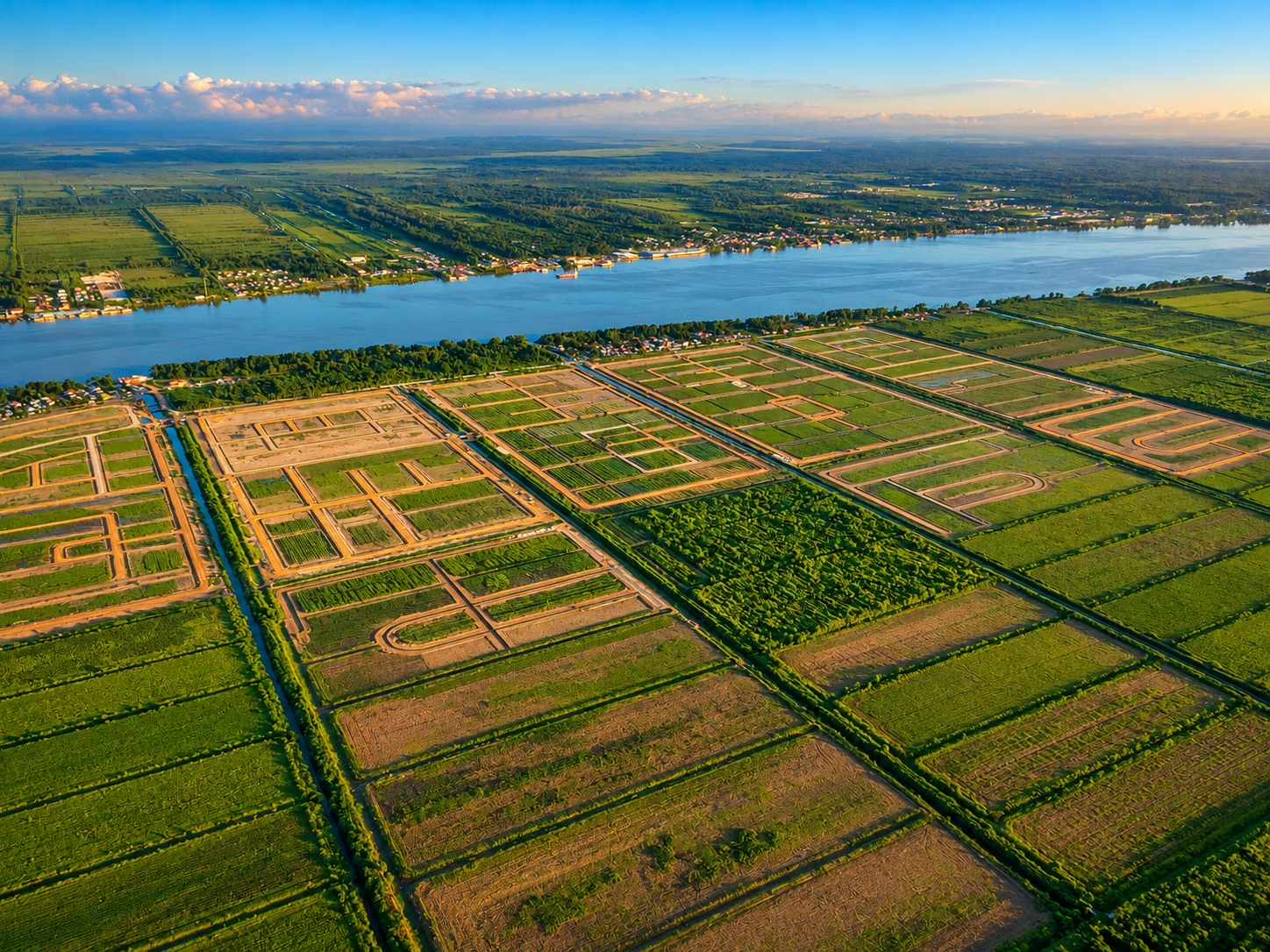
Demerara is a historical region of Guyana, on the Atlantic coast of South America.
Guyana and the Demerara River
Guyana lies between Venezuela and Suriname, with Brazil to the south. Much of its sugar industry developed along the low coastal plain, where rivers provided access to the ports. Demerara, in particular, became internationally known for the sugar and rum exported from its estates.
Under Dutch and later British colonial rule, sugar production relied heavily on the labour of enslaved Africans. Following emancipation, indentured labourers, many of whom came from India, became an important part of the industry. Their work shaped the history of sugar and rum in Guyana.
The protected Demerara Rum production area covers a defined stretch of the coastal plain between the Boeraserie River and Abary Creek. The geographical indication therefore applies to a specific area of Guyana.
From the estates to Diamond
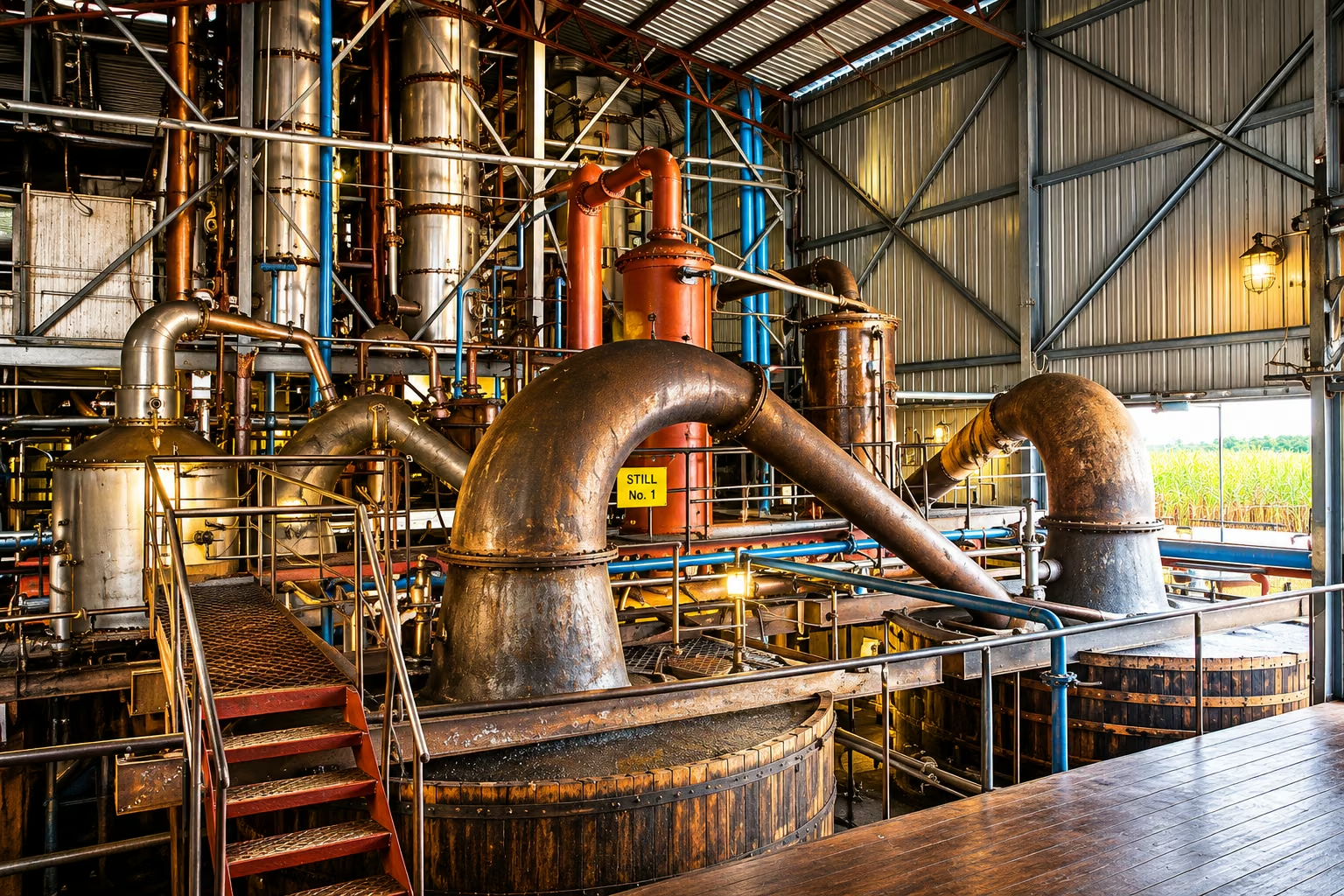
Historically, many sugar estates had their own distilleries, where molasses from sugar production was fermented and distilled. As the industry became more concentrated, stills were transferred between distilleries. Demerara Distillers Limited (DDL) was formed in 1983, and by around 2000 the remaining distillation equipment had been brought together at Diamond Distillery, on the east bank of the Demerara River.
This explains why a rum distilled at Diamond today can carry the name of a former estate such as Port Mourant or Enmore. The name preserves the identity of the distillation tradition, even though the original distillery is no longer operating.
What goes into the fermenter?
Fermentation produces the alcohol and many of the congeners that will determine the character of the distillate.
Molasses and water
Molasses is the thick liquid that remains after sugar crystals have been separated from concentrated sugarcane juice. It contains fermentable sugars, minerals and other compounds derived from the cane and the sugar manufacturing process. It is the principal raw material used in the production of Demerara rum, although the geographical indication permits other substrates derived from sugarcane.
Before fermentation, the molasses is diluted with water. The Demerara Rum specification describes the use of water from local artesian wells and a cultivated strain of Saccharomyces cerevisiae. Nutrient levels and acidity are adjusted to provide suitable conditions for the yeast.
From sugar to a wash
During fermentation, yeast converts fermentable sugars into ethanol and carbon dioxide. It also produces congeners, including higher alcohols, organic acids and esters, which contribute to the aroma and flavour of the rum.
The technical specification describes a typical wash of around 6 to 8% abv. The composition of the wash is important, but the character of the resulting spirit also depends on distillation. Through rectification, a distiller can remove a proportion of the congeners and produce a lighter style of rum from a wash that contains a relatively high concentration of flavour compounds.
Three wooden stills, three different routes
The three heritage stills at Diamond differ in their construction and the way in which alcohol and congeners are separated during distillation.
Port Mourant
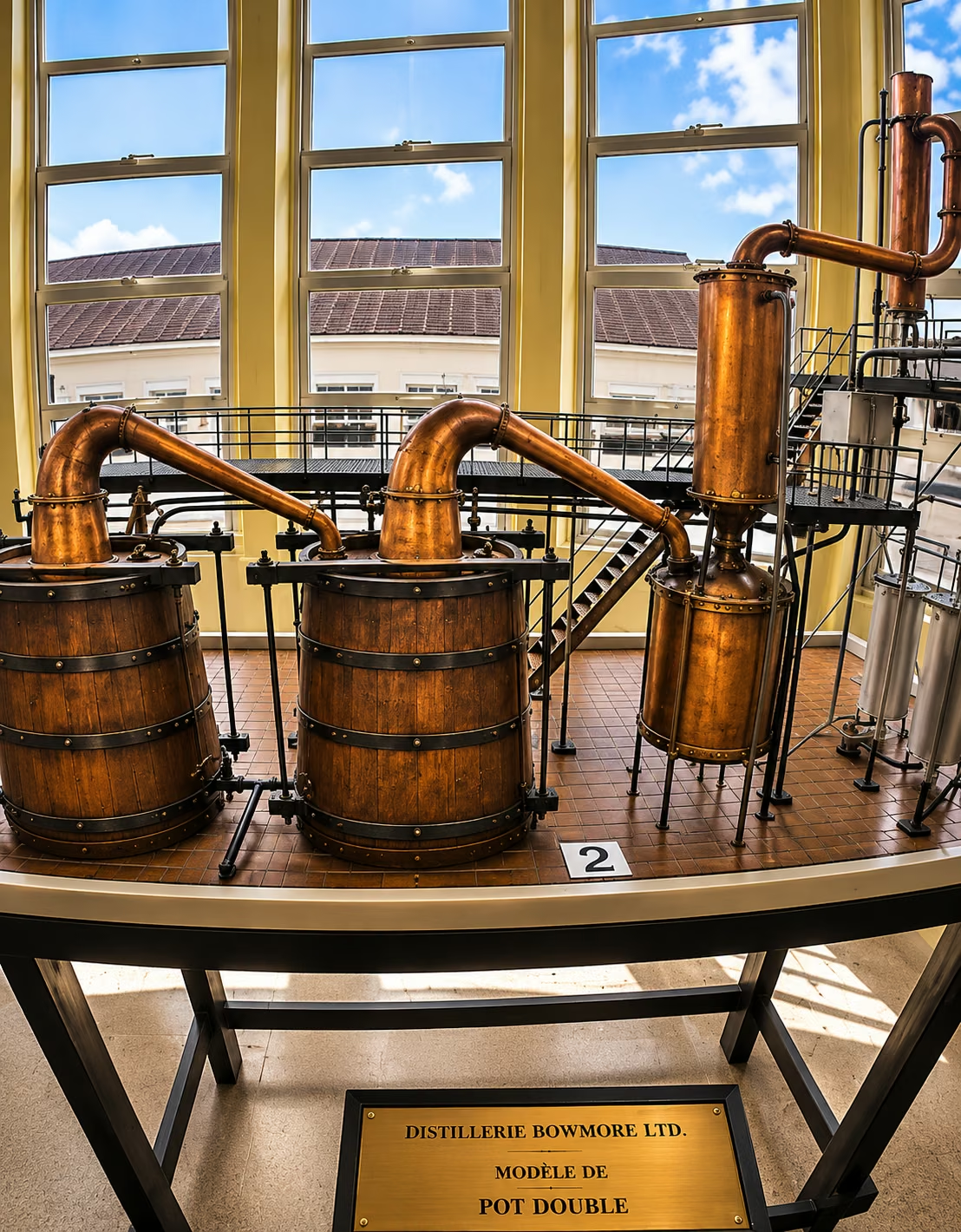
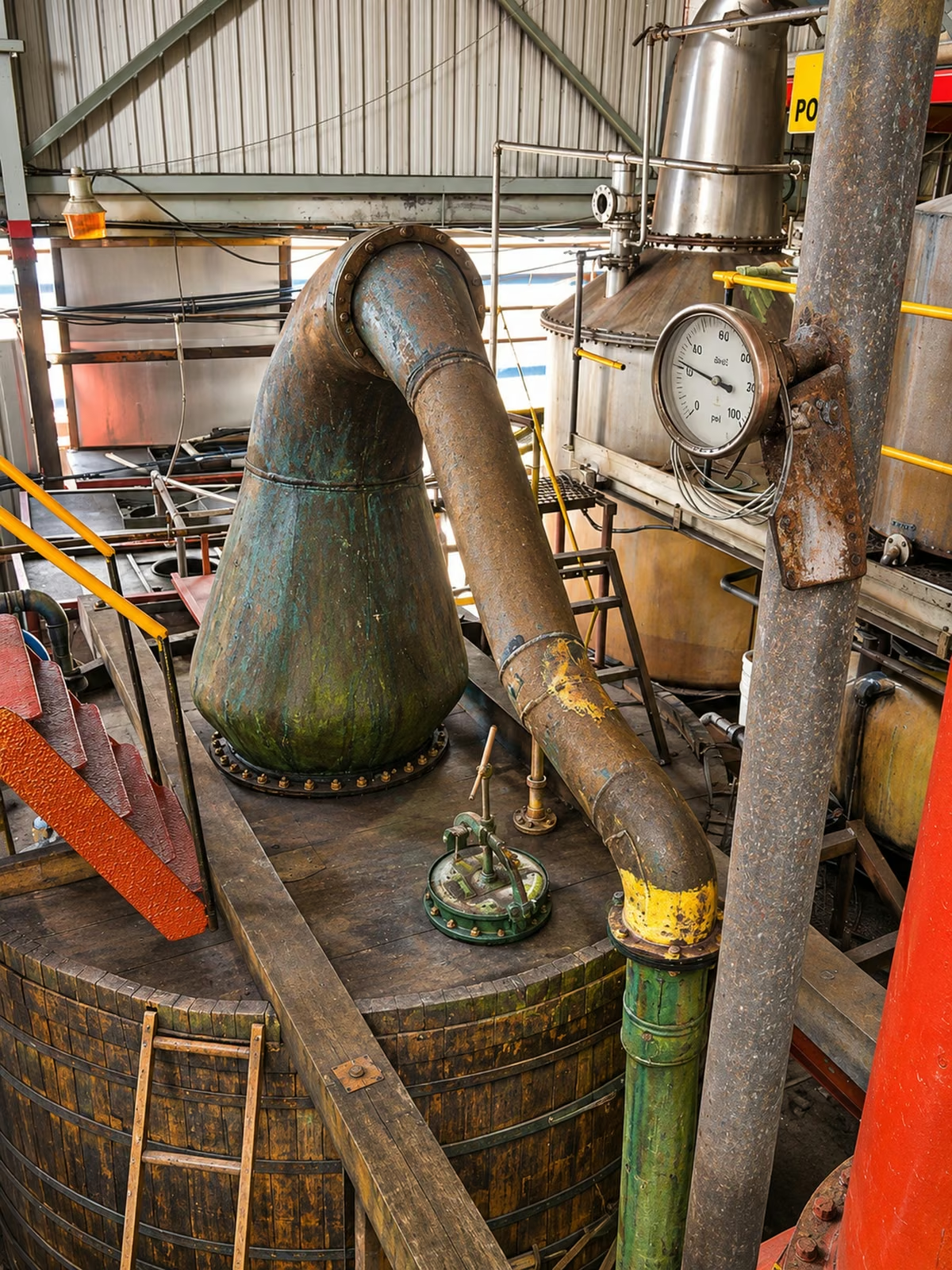
The history of this double wooden pot still can be traced to the Port Mourant estate, founded in 1732. The still consists of two wooden vats connected in series. Steam heats the wash in the first vat, and the vapour produced passes into the second vat, where it heats the liquid. Vapour from the second vat then passes into a retort containing liquid from a previous distillation. This allows further concentration before rectification and condensation.
The way the second vat is heated contributes to the retention of higher alcohols in the distillate. Port Mourant is associated with a full bodied style of rum, often with pronounced aromas and a long finish.
Versailles
The Versailles still consists of a single wooden vat connected to a retort. As vapour from the vat passes through the liquid in the retort, alcohol and other volatile compounds are transferred into the vapour leaving it. Further concentration therefore takes place without the second wooden vat found in Port Mourant.
Versailles produces a distillate with a character of its own. In matured examples, earthy and savoury notes may be accompanied by flavours developed during maturation. The intensity and balance will vary according to the expression you are tasting.
Enmore
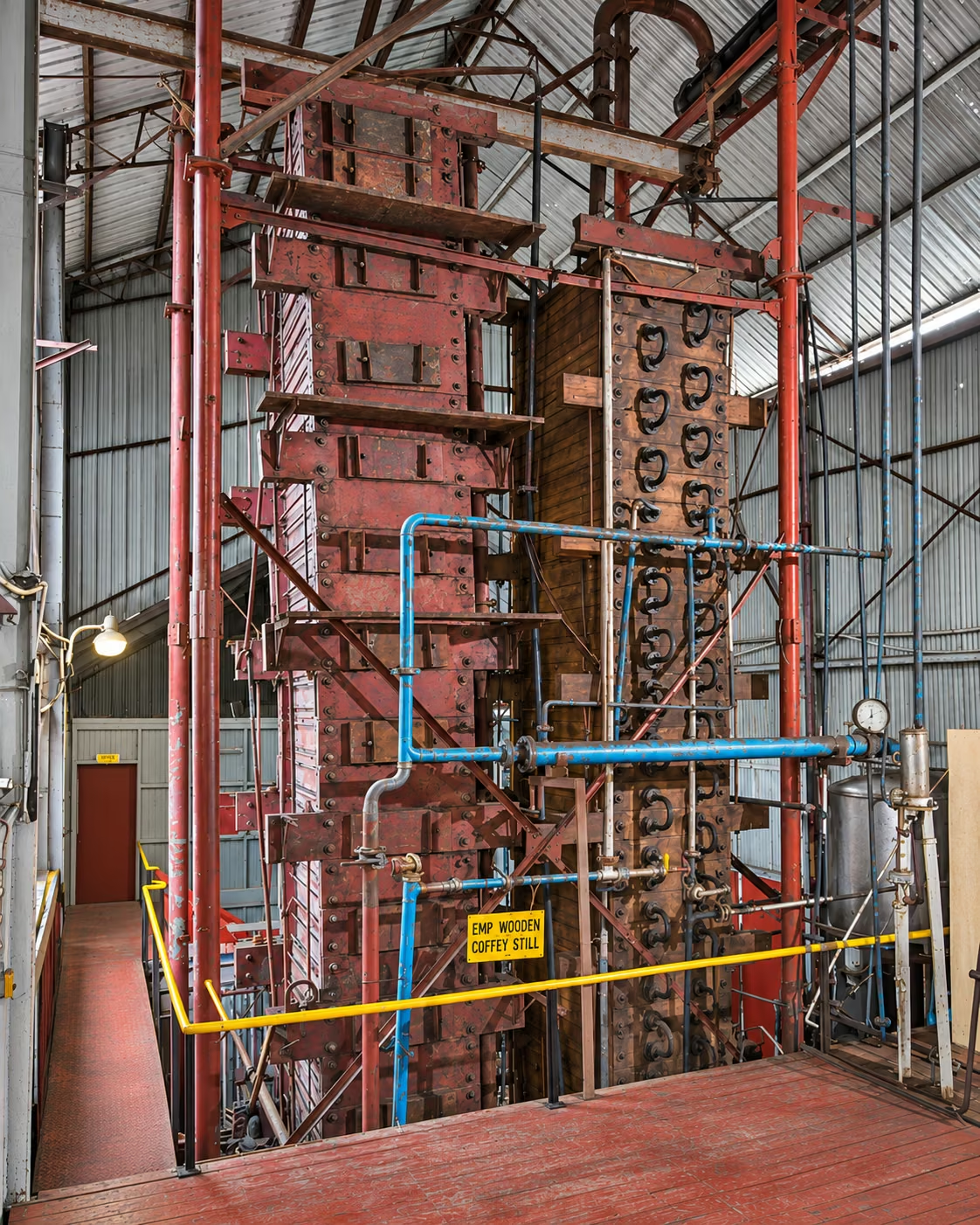
The Enmore wooden Coffey still dates back to 1880 and operates continuously. It consists of two columns: an analyser, in which alcohol is separated from the wash, and a rectifier, in which repeated contact between rising vapour and descending liquid increases the alcoholic strength and allows the distiller to control the composition of the spirit.
The columns are constructed with wooden frames and copper sieve plates. The rum associated with Enmore is generally medium bodied and aromatic. As we saw in the Trinidad & Tobago guide, the use of a column still alone does not determine how light or heavy a rum will be.
Look at the construction
What does a marque tell you?
The range of distillates produced at Diamond is identified through a system of marques, many of which preserve the names of former estates.
From the estate name to the production code
A marque is a production code used to identify a particular type of distillate. It can indicate the still and the production conditions used to achieve a particular specification. At Diamond, several marques have historical associations with the estates where those styles of rum originated.
For example, EHP refers to Edward Henry Porter, associated with the Enmore estate, while PM refers to Port Mourant. VSG preserves the combined estate names associated with Versailles. When these letters appear on an independently bottled rum, they can help you identify its production origin.
| Marque | Associated origin | What to look for |
|---|---|---|
| PM | Port Mourant | Double wooden vat |
| VSG | Versailles | Single wooden vat |
| EHP | Enmore | Wooden Coffey columns |
| ICBU | Uitvlugt | French Savalle columns |
There are metal stills as well
Diamond also operates metal column stills, including the French Savalle still inherited from Uitvlugt. Its columns can be operated to produce a range of distillates, from relatively light to medium bodied styles. Together with the heritage stills, these provide the blender with rums of different aroma intensities and flavour profiles.
The marque tells us something about the identity of the distillate. To understand the finished rum, we still need to consider its age, bottling strength, cask history and whether it contains other marques.
What happens after distillation?
The character of the new make spirit continues to develop as it matures in oak.
Tropical maturation
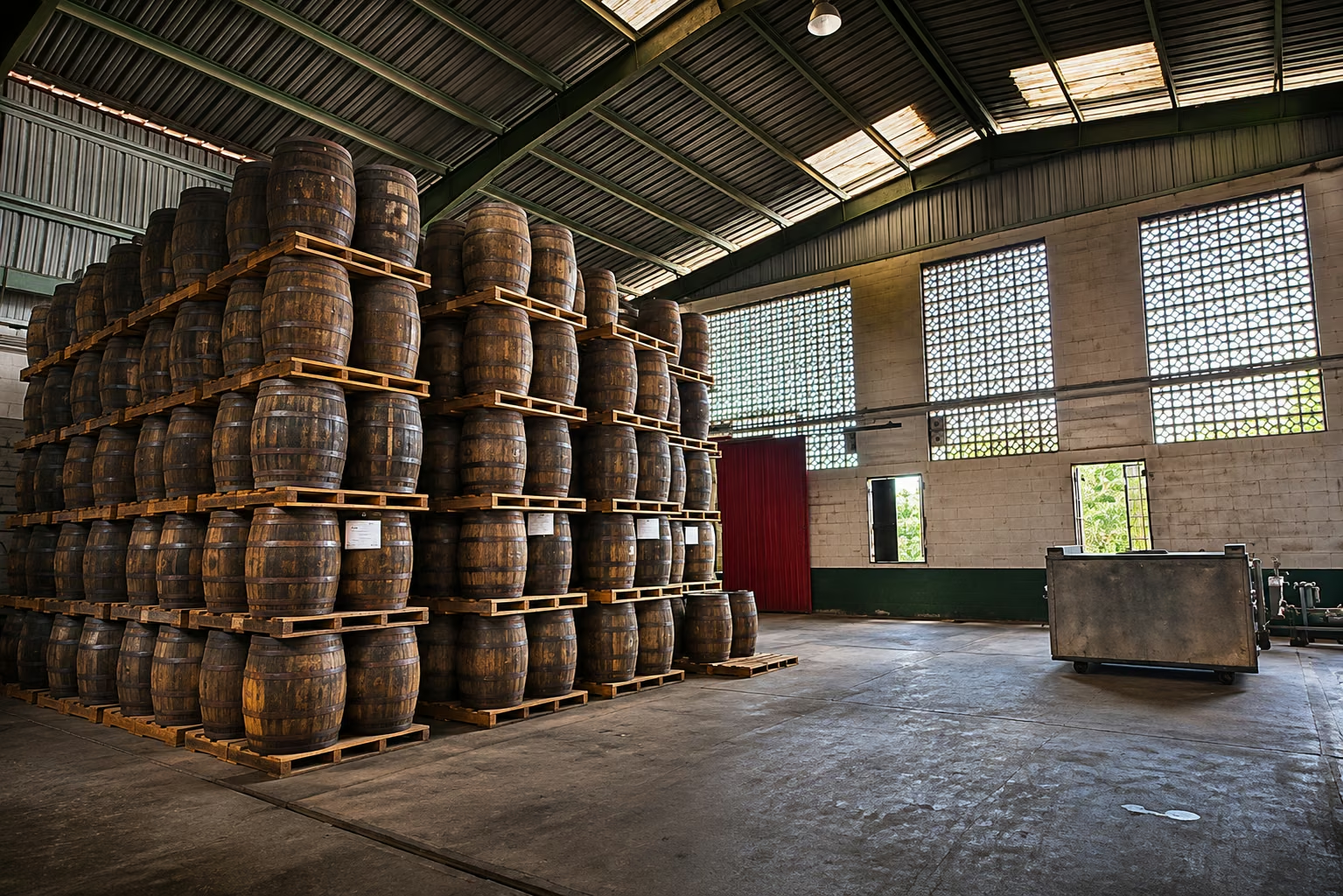
According to the Demerara Rum specification, the fresh distillate is reduced to approximately 70 to 80% abv using treated local water before being filled into oak casks for maturation. American white oak is commonly used. The size of the cask, its previous contents, its condition and the degree of toasting or charring influence how the spirit develops.
In Guyana’s tropical climate, temperature influences the rate of extraction from the oak, oxidation and other reactions taking place during maturation. At the same time, water and alcohol evaporate from the cask, reducing the volume of spirit remaining. These processes often occur more rapidly than in a cooler climate, although there is no fixed relationship between the number of years spent in tropical and continental warehouses.
The influence of the still and the cask
Vanilla, coconut, spice and toasted aromas can develop through contact with oak. Fruit, herbal and savoury notes may already be present in the new make spirit and continue to develop during maturation. When comparing two aged rums from different stills, consider the influence of both distillation and maturation.
Why does Diamond make so many rums?
Having different distillates available allows the blender to create a particular style of rum by combining them in different proportions.
The role of each distillate in a blend
Consider three mature rums: a light rum, a fruity and spicy rum, and a full bodied rum with a long, savoury finish. Increasing the proportion of the third rum can affect the weight and intensity of the blend, while the lighter rum may help balance the more pronounced flavours. This is an example of how a blender might use different distillates, rather than a recipe for a commercial expression.
The El Dorado range includes aged blends as well as expressions identified by a single heritage still. In a blend, the distillates and casks are selected to achieve the intended style. A single still release is particularly useful when studying the character associated with a specific still, although it may contain rum from more than one cask.
From the warehouse to the bottle
When selecting components for a blend, the blender considers their age, alcoholic strength, aroma intensity and flavour. A small proportion of a particularly aromatic rum may have a considerable influence on the finished blend. Water can then be added, where appropriate, to achieve the intended bottling strength.
Historically, rum from Guyana also formed part of the British Royal Navy’s rum supply, together with rum from other origins. Under the Demerara geographical indication, however, a blend containing rum produced outside the defined area cannot be sold under the protected name Demerara Rum.
What does Demerara protect on a label?
In 2021, Demerara Rum was registered as a geographical indication in the European Union.
The geographical indication defines the area in which qualifying Demerara Rum must be produced, the permitted raw materials, the water used in production, the minimum bottling strength and the rules governing blending. Within these requirements, producers can make light, medium and heavy styles of rum.
| Requirement | What it means |
|---|---|
| Origin | Fermentation and distillation within the defined Demerara coastal area. |
| Raw material | Molasses or another sugarcane substrate; production uses local artesian water. |
| Bottling strength | At least 40% abv. |
| Blending | Rum from outside the defined area cannot be included under the protected designation. |
| Age and colour | Unaged rum is permitted. Specific aged designations have minimum ages. Colour alone does not establish age. |
Age designations
The published technical file defines four aged designations: Old Demerara Rum (minimum two years), Cask Aged Demerara Rum (minimum three years), Special Reserve Demerara Rum (minimum twelve years) and Grand Special Reserve Demerara Rum (minimum twenty five years). The latter three are subject to specific regional blending and bottling requirements. Under EU rules, an age statement refers to the youngest alcoholic component in the spirit.
Read a vintage and a still name separately
Consider a bottle of El Dorado Rare Collection Enmore 1993. The year 1993 indicates the vintage, the year in which the rum was distilled. Enmore identifies the distillation tradition. To establish the age of the rum, look for an age statement or the relevant distillation and bottling dates.
In a cocktail recipe, Demerara sugar refers to a type of sugar. A cocktail prepared with Demerara sugar or syrup does not necessarily contain rum from Guyana.
Taste the three heritage stills
To understand the differences between these stills, compare the three El Dorado Single Still expressions, preferably at the same age and alcoholic strength.
Enmore
Begin with Enmore and assess the intensity of the aromas, the fruit character and the mouthfeel. In its twelve year expression, El Dorado describes notes of apple, peach, coconut and wood.
Versailles
Compare Versailles with Enmore, paying particular attention to the body and length of the finish. El Dorado describes chocolate and tobacco notes in its twelve year expression and states that caramel was added before maturation.
Port Mourant
With Port Mourant, pay attention to the intensity of the aromas, the mouthfeel and how long the flavours remain on the palate. El Dorado describes baked fruit, banana, spice and a slightly smoky character in its twelve year expression.
Comparing the three rums
Pour 10 to 15 ml of each rum into identical tasting glasses. Nose and taste each sample neat before adding a few drops of water if necessary. Compare the intensity and nature of the aromas, the fruit, spice and oak character, the body and the length of the finish. Write down your observations before returning to the first glass.
All three examples have been matured, so some of the differences you identify may be due to the casks as well as the distillation process. If you have the opportunity to taste the corresponding unaged distillates, you will be able to compare the character of the marques before the influence of oak.