Whisk(e)y Library / American Category Guide 04
American Rye
& Corn Whiskey
Grain, Oak, Identity & Labels.
American Rye and Corn Whiskey begin with different grain requirements: at least 51% rye and 80% corn. Their barrel requirements matter just as much. Rye must enter charred new oak; Corn Whiskey can be unaged or mature in used or uncharred new oak. Those choices help explain the differences in the glass.
Scope This guide focuses on Rye and Corn Whiskey, with Bourbon as a useful comparison. For the broader American whiskey family, start with Guide 03.
Start with the requirements →Continue where you left off →
Explain the grain, strength and barrel requirements for Rye and Corn Whiskey
Understand how the mash bill, production and oak influence flavour
Read “moonshine,” “Canadian rye,” “bonded” and “blended” on a label
Guide contents
Follow Rye and Corn Whiskey from their legal requirements through production, maturation, labels and service.
What defines Rye and Corn Whiskey?
Rye requires at least 51% rye; Corn Whiskey requires at least 80% corn. Both have the same distillation limit, but different barrel requirements.
Rye Whiskey
At least 51% rye
Distilled at 160 proof or lower, then stored in charred new oak at 125 proof or lower. The type itself has no federal minimum age.
Rye Whiskey may contain permitted colouring, flavouring or blending materials. Straight Rye excludes those additions and requires at least two years in charred new oak.
Corn Whiskey
At least 80% corn
Also distilled at 160 proof or lower. It does not need oak storage to qualify as Corn Whiskey.
When aged, it must use used oak or uncharred new oak at 125 proof or lower. Treatment with charred wood is prohibited. Straight Corn Whiskey requires at least two years in the permitted oak.
Yes, if it meets all the Bourbon requirements, including U.S. production and storage in charred new oak within the proof limits. Corn percentage alone does not determine the category. Corn Whiskey has different barrel requirements.
Connected knowledgeCompare the legal requirements for Bourbon →
Rye percentage is a recipe clue
A Rye Whiskey may contain 51% rye or considerably more. The other grains also influence how the mash behaves and how the whiskey develops.
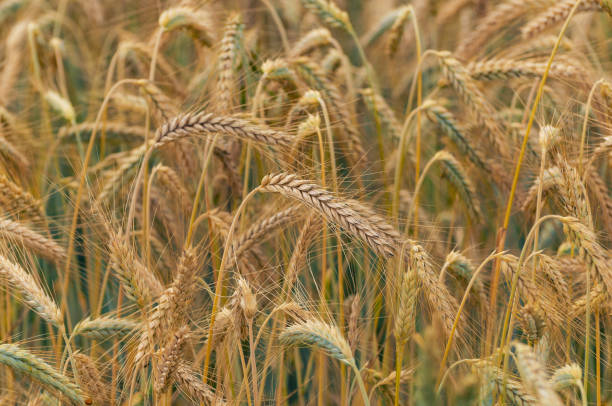
51% and 95% are both Rye Whiskey
“Barely legal rye” is industry shorthand for a recipe at or near the 51% legal minimum. It is not a regulated label term. “High rye” is also producer or trade language rather than a separate federal type.
MGP offers two useful examples. Its 51% Rye Whiskey uses 51% rye, 45% corn and 4% barley malt. Its 95% Rye Whiskey uses 95% rye and 5% barley malt. These recipes give the distiller different grain proportions to work with while meeting the same Rye Whiskey standard.
Connected knowledgeCompare the U.S. 51% rule with Canadian Rye Whisky label language →
MGP mash bill
The remaining grains are 45% corn and 4% barley malt.
MGP mash bill
The remaining 5% is barley malt.
Rye is often associated with pepper, mint, bread, citrus peel and herbal notes. Oak and fermentation also contribute flavour, so a spicy note cannot always be traced to one grain.
Corn Whiskey changes the barrel rule
Corn Whiskey needs at least 80% corn. It can be bottled without ageing, and its permitted barrels differ from Bourbon’s.
Does Corn Whiskey have to be aged?
No. Corn Whiskey may be sold without oak storage. If it is aged, the barrels must be used oak or uncharred new oak. Used barrels have already given up some of their extractable compounds, while new uncharred oak has a different heat treatment. Each can leave a different balance of grain and oak flavours.
An age statement counts time in the permitted oak. TTB’s ruling on Corn Whiskey explains that storage in metal or paraffin-lined containers does not count towards that age.
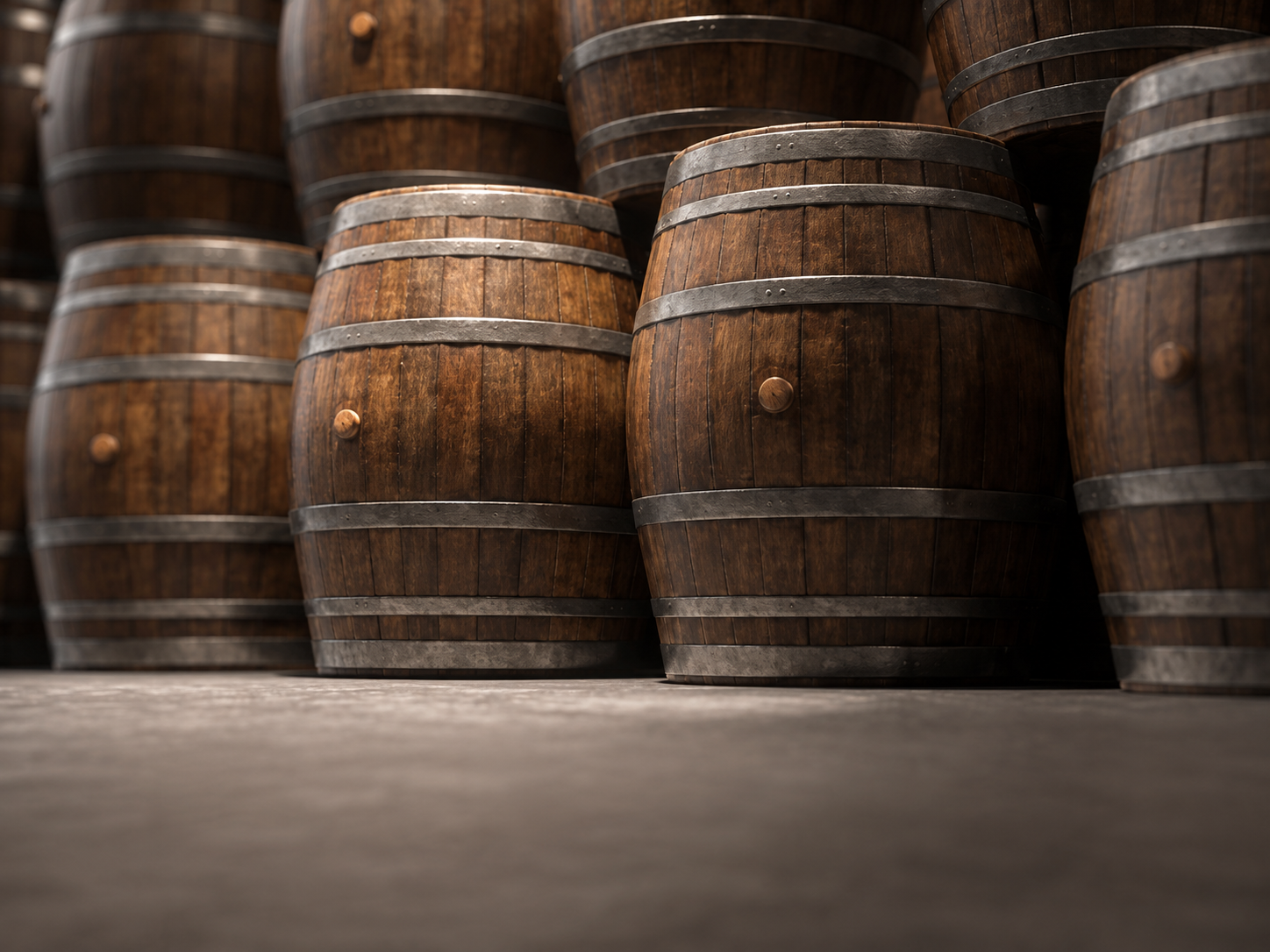
Heaven Hill’s Mellow Corn is Straight Corn Whiskey aged four years in once used Bourbon barrels and bottled at 100 proof. It offers a useful comparison with Bourbon or Rye matured in charred new oak.
≥80% corn. Oak storage is optional; permitted oak storage uses used or uncharred new oak.
At least two years in used or uncharred new oak, with no coloring, flavoring or blending materials.
If the whiskey is younger than four years, the label must state age under the federal age rules.
What does “moonshine” mean?
“Moonshine” has a history of illicit production and a modern use on legal bottles. It is not a federal whiskey category.
Moonshine.
Is moonshine the same as white dog?
White dog and new make are common production terms for freshly distilled spirit before maturation. They do not, by themselves, identify the legal category of a bottled product.
“Moonshine” is used more broadly. On a commercial bottle, look for the description that identifies the contents. Corn Whiskey has defined grain, proof and barrel requirements; the word “moonshine” alone does not tell you those details.
TTB gives “Apple Pie Moonshine” as an example of a fanciful name. Such a name does not replace the required description of the product. Check that description, the strength and any flavouring information before treating the bottle as Corn Whiskey.
Source: TTB guidance on fanciful names.
Rye changes the process before the still
Rye can make a mash thick and sticky. That affects cooking, pumping and the handling of material left after distillation.
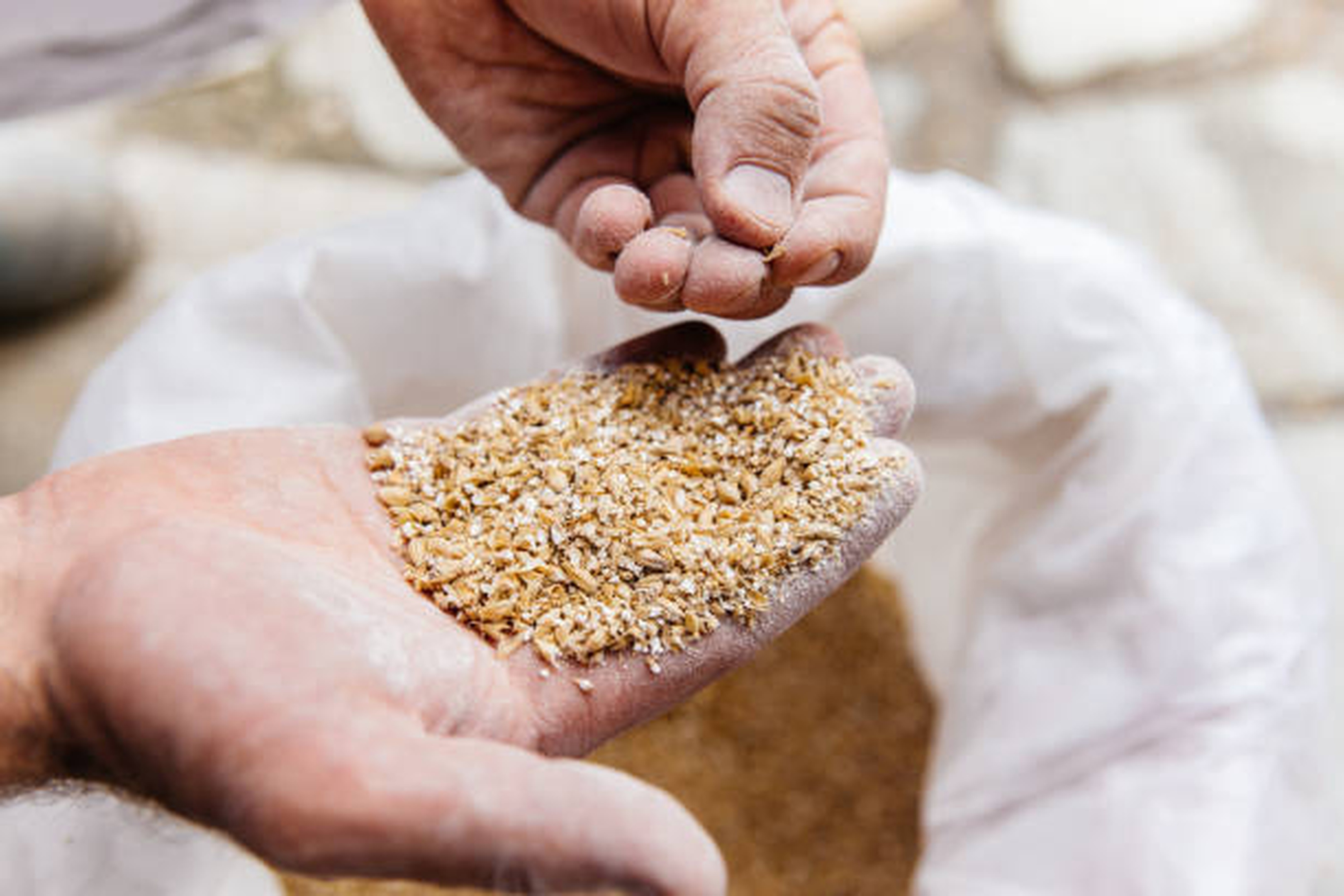
Cooking makes starch available to enzymes
When a recipe includes corn, it is commonly cooked first at a higher temperature. Other grains follow as the mash cools. Malted barley is often added at a lower temperature to protect the enzymes that convert starch into fermentable sugars. Distillers may also use added enzymes.
Rye’s soluble fibres contribute to a viscous mash. MGP describes how sticky rye residue can cling to processing equipment and complicate the drying and handling of spent grain. These practical challenges become more pronounced in high-rye recipes.
Heat makes the grain’s starch accessible to enzymes. Different grains need different cooking conditions.
Enzymes from malt or added preparations convert starch into fermentable sugars.
Backset lowers pH and helps establish consistent fermentation conditions.
Yeast converts sugars into alcohol and produces compounds that contribute aroma and flavour.
Backset is the acidic liquid left after distillation. Reusing a portion in the next mash helps control acidity and maintain consistent fermentation conditions. The proportion varies by distillery; it is not a legal recipe requirement.
Distillation and proof limits
Both types must be distilled at no more than 160 proof. The distiller’s equipment and operating choices shape the spirit within that limit.
How is the spirit distilled?
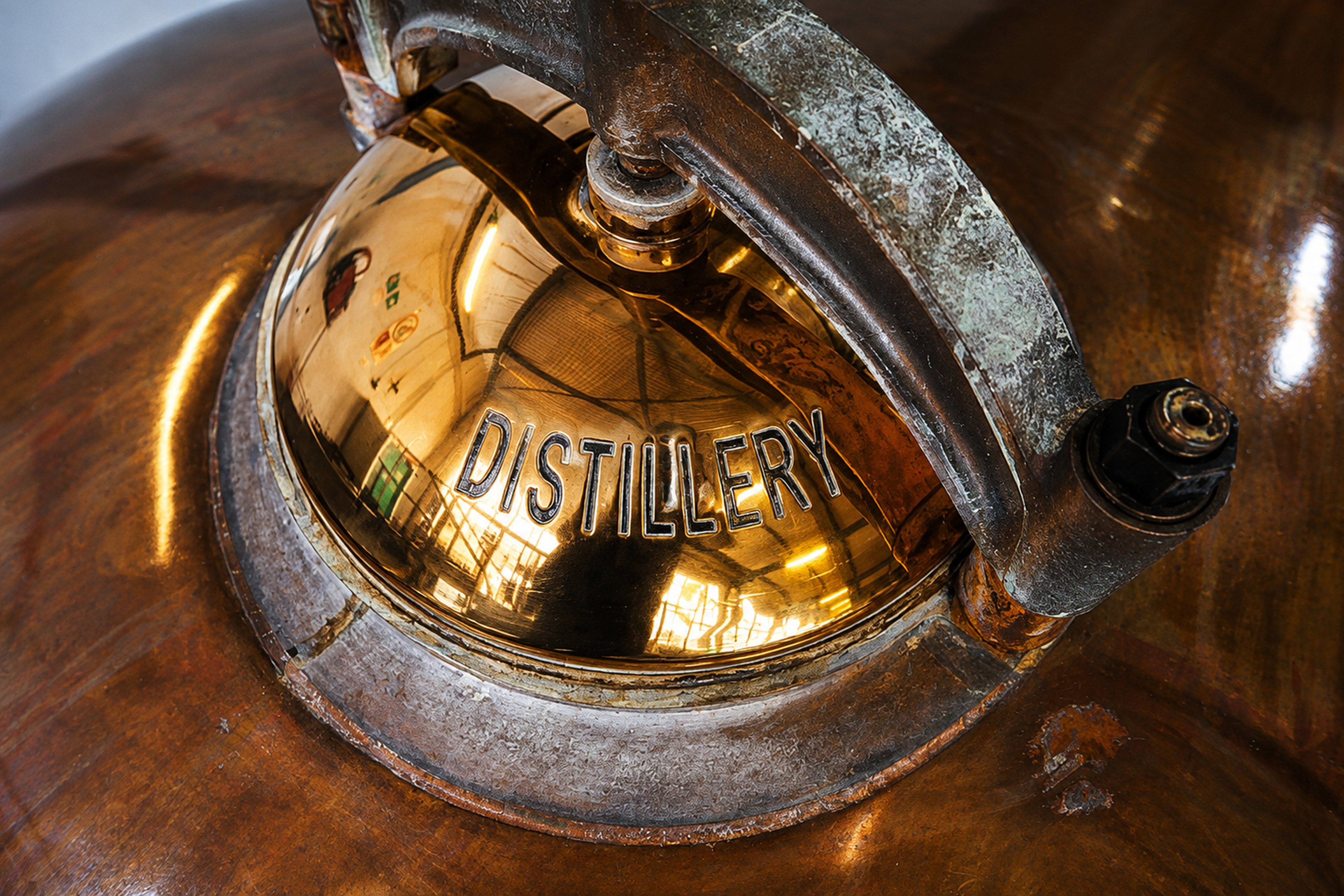
Many large American distilleries use a continuous beer still followed by a doubler or thumper. The first still separates alcohol from the fermented mash; the second stage further concentrates the spirit. Distillers also use other arrangements, including pot and hybrid stills.
Neither Rye nor Corn Whiskey requires a particular still design. Copper contact, reflux, operating conditions and the strength at which spirit is collected all influence its character.
Low wines are condensed first, then sent to a heated second vessel for redistillation.
Vapour travels directly from the beer still into the second vessel, where incoming vapour supplies the heat.
Universal foundationExplore still design, reflux and distillation strength →
Continue · Chapter 07Oak creates the clearest split →Oak creates the clearest split
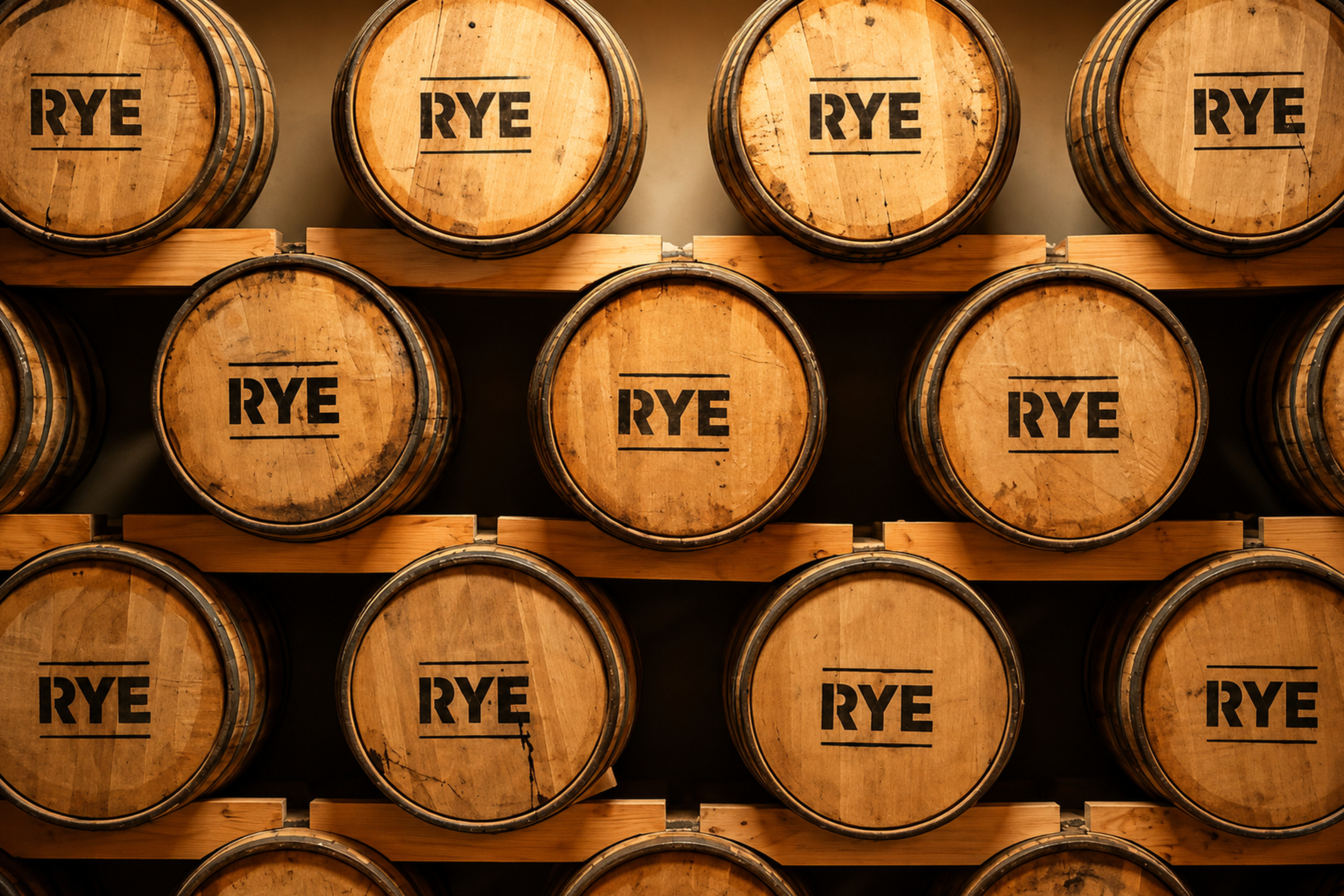
Rye must mature in charred new oak. Corn Whiskey can be unaged; when aged, it uses used or uncharred new oak.
What does the barrel contribute?
Charred new oak supplies Rye Whiskey with colour, tannin and compounds associated with vanilla, spice and toast. A used barrel has already lost some of those extractable compounds to an earlier fill. New uncharred oak offers fresh wood without the same charred surface.
Corn Whiskey aged in used barrels may stay relatively pale and retain a noticeable grain character. Barrel history and condition matter alongside age; years alone cannot tell you how much oak flavour to expect.
Connected knowledgeCompare these barrels with the used and refill casks of Scotch →
Rye Whiskey
Charred new oak · entry at 125 proof or lower · no federal minimum time for the basic type · Straight Rye requires at least two years.
Corn Whiskey
Oak storage is optional · when stored, used or uncharred new oak at 125 proof or lower · Straight Corn requires at least two years.
Rye’s age counts time in charred new oak. Corn Whiskey’s age counts time in its permitted used or uncharred new oak. Storage in a metal tank does not add to that legal age.
Universal foundationExplore how barrel history, climate and time affect maturation →
Continue · Chapter 08Straight, bonded and blended mean different things →Straight, bonded and blended mean different things
“Straight,” “Bottled in Bond” and “Blended” describe different requirements. Read each as part of the full product designation.
What does “Straight Rye” tell you?
Basic Rye Whiskey may use permitted harmless coloring, flavoring or blending materials. Straight Rye Whiskey excludes those additions and must mature for at least two years in charred new oak.
Blended Rye Whiskey must contain at least 51% Straight Rye on a proof-gallon basis, which measures alcohol content rather than bottle volume. The remainder may include other whisky or neutral spirits under the federal rules. It is a different designation from a combination of Straight Rye barrels.
Bonded can apply to Rye or Corn Whiskey. The spirit must be the same kind, from the same distiller and distillery in one distilling season, stored at least four years, altered only by permitted physical treatments and pure water for proof reduction, then bottled at exactly 100 proof.
Mellow Corn shows how these terms work together: it is Straight Corn Whiskey, aged four years in once-used Bourbon barrels and bottled in bond at 100 proof.
The label must identify the state of original distillation for U.S. Rye and Corn Whiskey. A brand may be based in one state and buy whiskey distilled in another. “Distilled in Indiana,” for example, tells you the origin of the spirit even if it is bottled elsewhere.
American rye and Canadian rye use the word differently
In the United States, Rye Whiskey has a minimum rye content. Canadian Rye Whisky follows a different standard.
Rye Whiskey
The federal type begins with at least 51% rye, a 160 proof distillation ceiling and charred new oak at 125 proof or lower.
An American Rye label therefore guarantees a rye majority in the mash.
Canadian Rye Whisky
Current Canadian compositional standards allow the names Canadian Whisky, Canadian Rye Whisky or Rye Whisky for qualifying Canadian whisky without setting a minimum rye percentage.
The category must be mashed, distilled and aged in Canada, spend at least three years in small wood, show Canadian whisky character and be bottled at 40% abv or higher.
No. Canadian standards allow “Canadian Whisky,” “Canadian Rye Whisky” and “Rye Whisky” as names for qualifying Canadian whisky without specifying a minimum rye percentage. To learn the grain recipe, look for information from the producer.
Taste and serve with understanding
Describe the whiskey first. Then use its mash bill, barrel type, age and strength to help explain what you notice.
What should you look for in the glass?
With Rye Whiskey, you may notice cereal, bread, pepper, mint, herbs or citrus. Charred new oak can add vanilla, toast, clove and caramel-like aromas. Record the flavours you find without expecting every rye to show the same profile.
Corn Whiskey may have a more noticeable cereal character, particularly when it is unaged or matured in used barrels. A pale colour can be consistent with used oak, but it does not reveal age or strength on its own.
Try a 51% rye beside a 95% rye at similar strengths. Compare their grain, fruit, spice and oak notes. Yeast, distillation and maturation also differ between bottles, so the tasting cannot isolate rye percentage alone.
Connected knowledgeExplore how water changes aroma and texture →
A practical tasting sequence
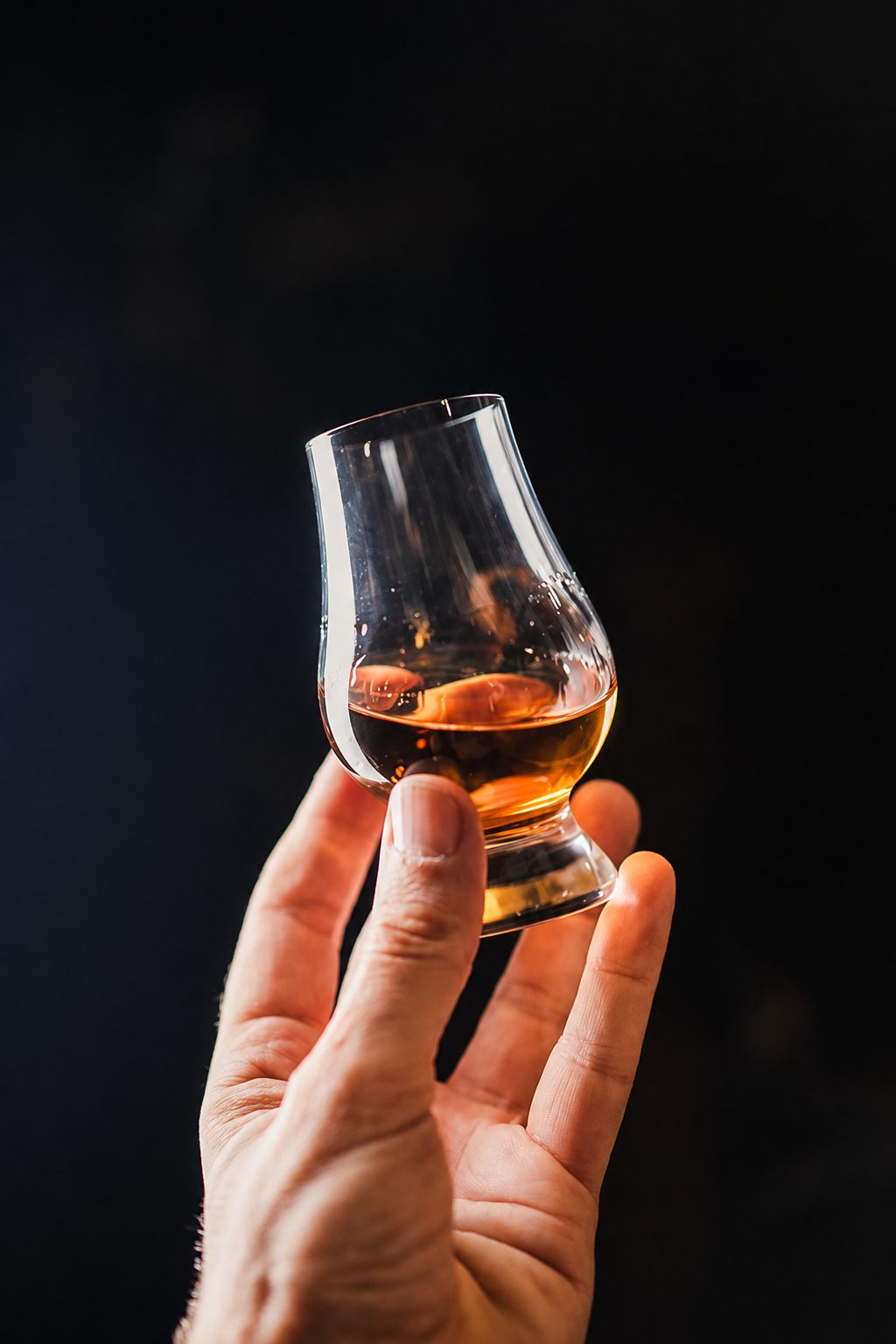
Work through aroma, flavour, texture and finish. Following the same sequence makes bottles easier to compare.
Choose how to serve it
Consider the bottle’s flavour and strength alongside the guest’s preferences.
Useful for comparing bottles before adding water or other ingredients. Give the whiskey time in the glass.
Add a little at a time, taste again and adjust to preference.
Try Rye in a Manhattan, Old Fashioned, Vieux Carré or Sazerac. Adjust sweetness and dilution to the particular bottle.
Choose the serve around its strength and oak character. Try a lighter style in a highball or sour, and adjust the recipe after tasting.
The working principle
Understand the grain.
Know the barrel.
- Rye Whiskey requires at least 51% rye
- Corn Whiskey requires at least 80% corn
- Straight adds time and removes additives
- Moonshine is not a federal whiskey type
- Canadian Rye does not carry the U.S. 51% rule
RefSources & Further Reading
References
Sources behind the guide
Public regulations, producer information and technical references support this guide. The U.S. category and label provisions and Canadian whisky standard were checked on 24 September 2026.
Federal law & labels
27 CFR § 5.143 · WhiskyRye, Corn, Straight, Blended and processing standardsTTB · Distilled Spirits FAQsWhisky age statements and the meaning of ageTTB Ruling 56-495 · Age of Corn WhiskeyQualifying oak time and storage that does not build label age27 CFR § 5.88 · Bottled in BondOne distiller, one distillery, one season, four years, 100 proof27 CFR § 5.66 · State of distillationMandatory state disclosure for U.S. Rye and Corn Whiskey typesProduction and grain recipes
Four Roses · Our ProcessPublic producer example · cooking, fermentation and two-stage distillationMGP · Making Rye WhiskeyRye handling at scale and 95% / 51% rye recipesMGP · 95% Rye Whiskey95% rye · 5% barley malt producer specificationMGP · 51% Rye Whiskey51% rye · 45% corn · 4% barley malt producer specificationCorn Whiskey & moonshine
Heaven Hill · Mellow CornStraight Corn Whiskey · four years · once used Bourbon barrel · 100 proofTTB · Moonshine, Counterfeit and Refilled ProductsOfficial enforcement meaning of non tax paid distilled spirits / moonshineTTB · COLAs Online fanciful name guidance“Apple Pie Moonshine” as a fanciful name example for a specialty productCanada & service
Canadian Food Compositional Standards · 2.1.3Canadian Whisky, Canadian Rye Whisky or Rye Whisky · no minimum rye percentage statedIBA · ManhattanOfficial rye whiskey cocktail referenceIBA · Old FashionedBourbon or Rye Whiskey referenceIBA · Vieux CarréOfficial rye whiskey cocktail referenceThe takeaway
Read the grain.
Then read the wood.
Grain percentages establish part of the definition. Barrels, proof, age and the distiller’s choices help explain the character of each whiskey.