
Whisk(e)y Library / Canadian Category Guide 05
Canadian
Whisky
Blending, Rye Language & Label Logic.
Canadian whisky is one of the clearest examples of a category built around blending. The law protects a national whisky tradition, while house style is shaped by grain choice, separate distillation routes, small-wood maturation and the blender’s final decisions.
Scope This guide starts with the Canadian legal standard, then explains why Canadian Rye Whisky does not carry the U.S. 51% rye rule, and how blending sits at the centre of the category.
Start with the rulebook →Continue where you left off →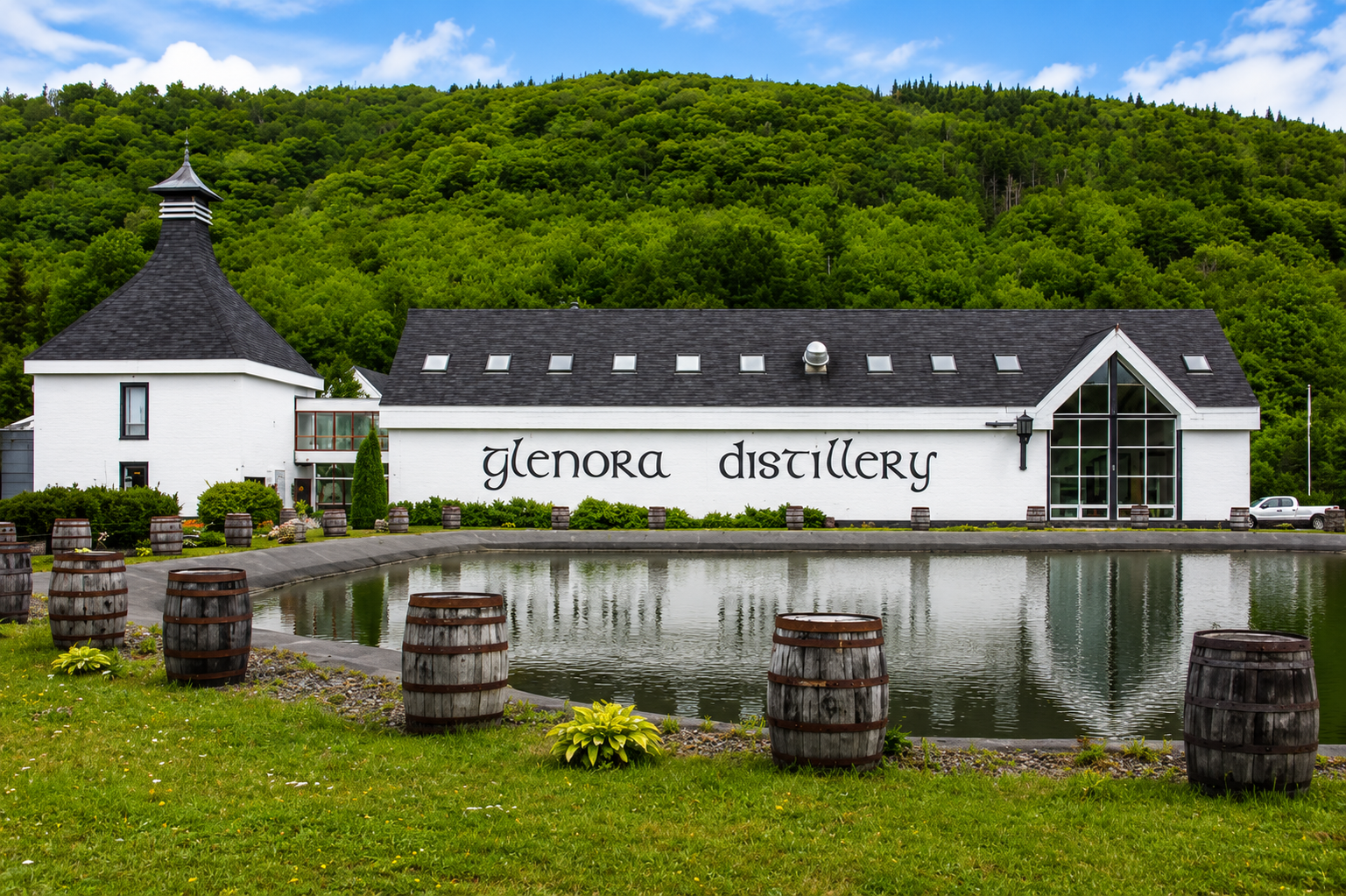
Read Canadian Whisky, Canadian Rye Whisky and Rye Whisky as one legal family
Explain how grain, distillation and blending create light base whisky and more characterful components
Taste Canadian whisky from evidence instead of relying on the stereotype of “smoothness” alone
Guide contents
Ten focused chapters. Start with legal identity, then follow grain, blending, stills, wood, labels and the glass.
Canadian whisky is a blended legal tradition
The law protects a national style first, not a single mash bill. That is why blending is a structural idea in Canadian whisky, not an afterthought.
One family, three names
Canadian Whisky · Canadian Rye Whisky · Rye Whisky
Under Canadian compositional standards, these names can all describe the same legal category when the whisky meets the Canadian standard.
The important point is practical: the label can say Rye without promising a majority rye mash bill in the American sense.
Legal floor
Made and matured in Canada
The whisky must be produced from cereal grain distillate, aged for at least three years in small wood, show the aroma, taste and character generally attributed to Canadian whisky, and be bottled at 40% abv or higher.
The legal idea protects a national whisky identity, then leaves room for house style inside it.
In Bourbon or U.S. Rye, legal identity begins with a mash bill threshold. In Canadian whisky, identity is broader: the blender can combine different grain whiskies and still shape one coherent house style.
Corn often builds the body; rye sharpens style
Many classic Canadian blends are built from a lighter corn-led base plus more aromatic whisky components, often including rye. That pattern is common, but it is not the only route.
Think in components rather than one fixed mash bill
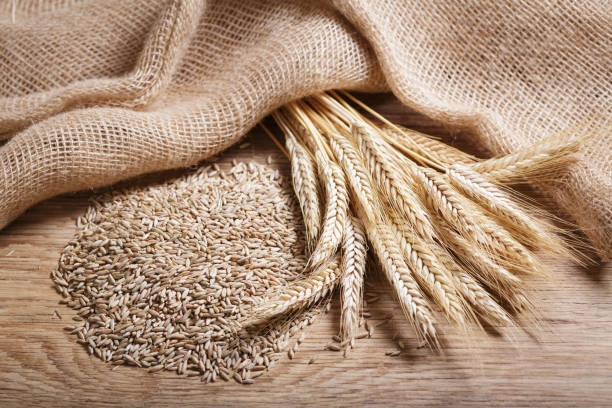
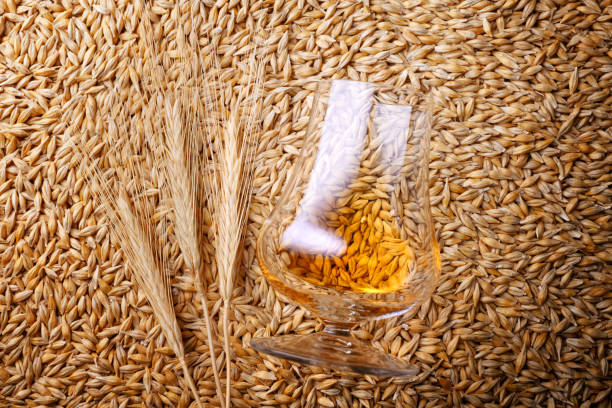
Corn commonly appears in Canadian whisky because it can produce a lighter, cleaner and more neutral-bodied base spirit. Rye has historically been valued for the opposite reason: it can bring a sharper aromatic profile, more spice and more lift to a blend.
Barley and wheat also matter. Barley can contribute malt character or enzyme power in the mash; wheat can soften and round a distillate. The practical lesson is simple: Canadian whisky is often understood best by asking what each grain contributes to the blend.
Common pattern
A lighter corn-led whisky can provide volume, sweetness impression and structural body without dominating the nose.
Common pattern
A smaller portion of more expressive rye or higher-character whisky can sharpen aroma, spice and overall house style.
A Canadian Rye Whisky may contain significant rye, a modest amount of rye or a blend where rye functions mainly as a flavouring component. The label name alone does not settle the recipe.
Blending sits at the centre of the category
In Canadian whisky, blending is often the main production idea rather than only the final finishing touch.
The blender shapes house style
Different grain whiskies can be matured separately, then combined to create a consistent final profile. That gives the producer control over texture, sweetness impression, rye lift, oak depth and overall balance.
This is why the term flavouring whisky matters in Canadian whisky conversations. It does not mean a flavoured spirit. It means a more characterful whisky component, often used in a smaller proportion to sharpen or define the blend.
Connected knowledgeCompare Canadian component blending with Scotch assembly and marrying →

In Canadian whisky production language, flavouring whisky is a whisky component with more aromatic or palate impact. It is not the same thing as adding a flavoured liqueur or a sweetened spirit product.
Often lighter and more neutral in profile. It gives body, alcoholic structure and blend volume.
Often more aromatic, spicier or weightier. It helps define the recognizable house style.
The finished whisky aims for balance, continuity and the producer’s preferred expression of “Canadian whisky” character.
“Rye” on the label is not a 51% promise
The word is historically important in Canada, but it functions differently from U.S. Rye Whiskey law.
Rye.
Read the tradition before you read the grain
Canadian whisky history helped turn rye into a national shorthand. Over time, consumers and bartenders came to use “rye” almost synonymously with Canadian whisky.
That is why the same word can mean two different things across borders. In the United States, Rye Whiskey is a regulated mash bill category. In Canada, rye can describe a whisky tradition or style even when the recipe is not majority rye.
Connected knowledgeCompare Canadian usage with the U.S. Rye Whiskey 51% rule →
The WSET study route uses Canadian whisky as a useful contrast with American whiskey: rye has historically been important in Canadian blending, but the label does not lock the spirit into a fixed rye percentage the way U.S. Rye Whiskey does.
Mashing can be separated by grain and purpose
Canadian whisky production often gains flexibility by treating grains separately instead of forcing every component through one identical mash bill.
Separate mashes can protect clarity of purpose
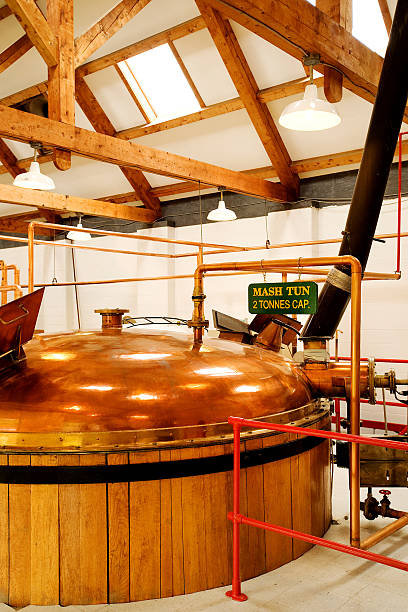
When corn, rye, barley or wheat are mashed and fermented separately, the distiller can adjust cooking, conversion and fermentation to the needs of each grain. That gives more control than pretending all grains behave the same way.
This also fits the broader Canadian blending mindset. If the final whisky will be assembled from components, it can make sense to build those components deliberately from the start. At the same time, smaller or more experimental distilleries may choose different routes, including single-mash or single-distillate styles.
Cooking and conversion can be tuned to corn, rye, barley or wheat rather than treated as one compromise mash.
Each grain stream can build its own alcohol level and flavour-active compounds.
One component may be designed for lightness while another is built for more aroma or palate weight.
The producer can marry matured components into a final whisky with a specific house style.
Canadian whisky does not have to follow one single technical recipe. That flexibility is part of why the category can range from very light blends to more assertive, rye-driven or single-malt styles.
Still choices often separate base and flavouring whisky
Lighter distillates and more characterful distillates can both belong inside Canadian whisky. Distillation is one of the main tools that separates those roles.
Columns, copper and house style
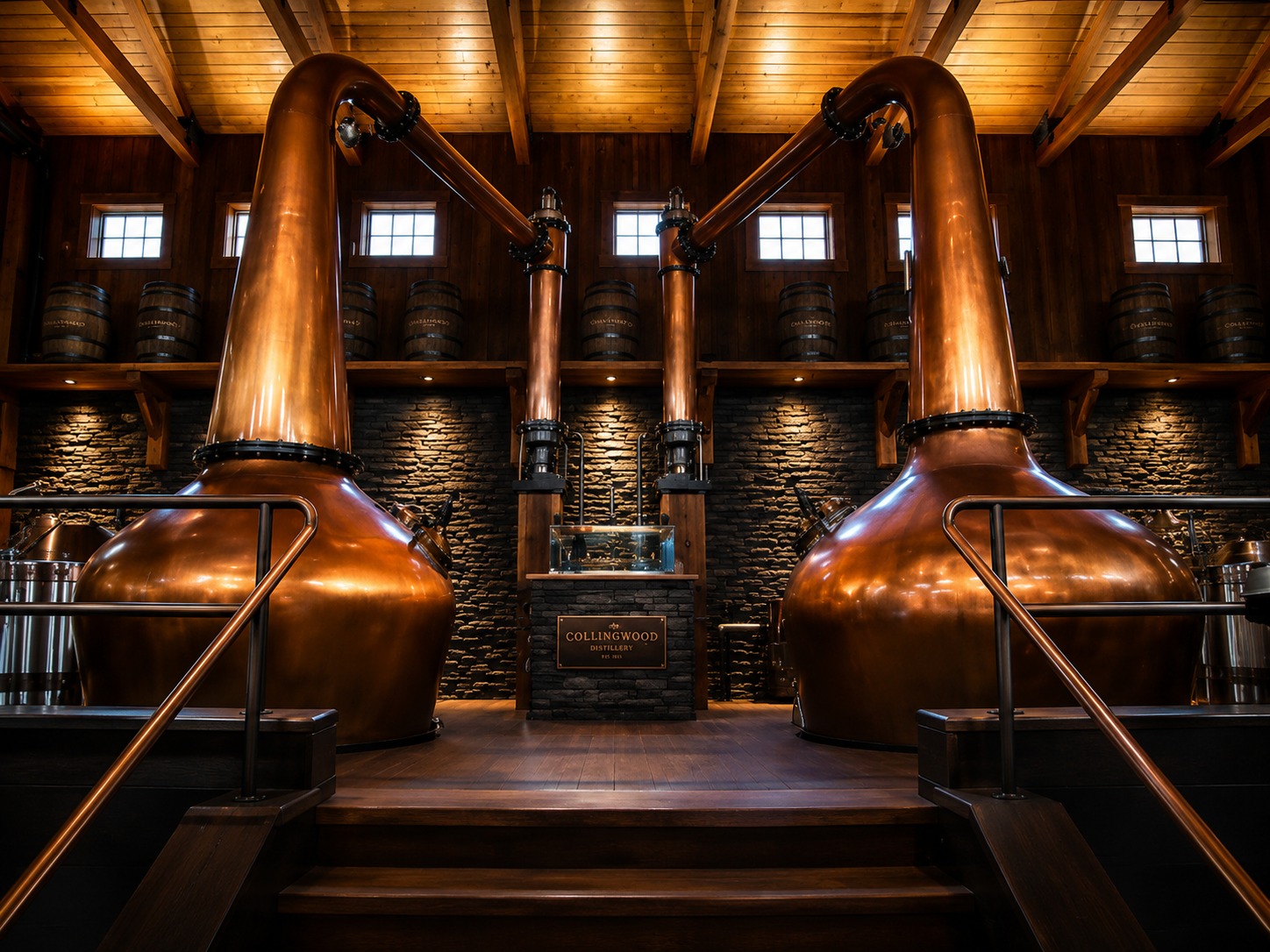
Large column systems are well suited to producing clean and efficient base whisky, especially from corn. More characterful components can come from different cut points, lower rectification or other still choices that preserve more grain and fermentation detail.
Some producers also use pot stills or hybrid systems, especially in smaller scale distilleries and single malt style routes. The practical lesson is that Canadian whisky is not defined by one still. It is defined by how different distillates can be designed and then blended.
Connected knowledgeCompare Canadian component design with Scotch malt and grain distillation routes →
Universal foundationPlace Canadian component design inside the wider batch-and-continuous distillation system →
Useful for efficient, lighter and more neutral-bodied whisky components that can carry a blend.
Useful when the producer wants more aromatic grain expression, more weight or more obvious flavour definition in the final whisky.

Comparison 01Compare pot and column operation without treating either still type as a shortcut for Canadian whisky style →
Continue · Chapter 07Three years in small wood is the legal floor →Three years in small wood is the legal floor
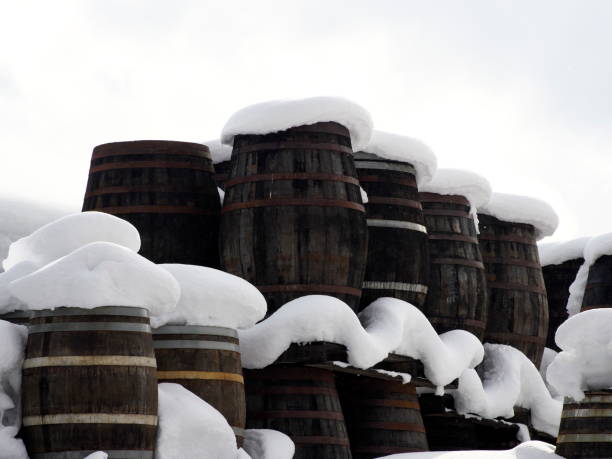
Canadian whisky must be aged for at least three years in small wood, but the style outcome still depends on cask type, previous use, climate and blend design.
Minimum time does not equal one fixed style
The legal floor is clear: at least three years in small wood. Beyond that, the producer still decides whether the casks are fresh or used, more or less active, longer or shorter aged, and how each component will contribute inside the final blend.
Because Canadian whisky is often blend-led, maturation is about compatibility as much as intensity. A lighter base whisky may be aged to stay supportive, while a more assertive component may be used in a smaller proportion to bring spice or depth.
Connected knowledgeCompare Canada's flexible small-wood route with Bourbon's required new charred oak →
Universal foundationFollow vessel activity, climate and cask selection before returning to Canadian component design →
Legal floor
At least three years in small wood. In Canadian rules, small wood means casks or barrels of no more than 700 litres capacity.
Style variables
Cask history, fill level, warehouse conditions, climate and the role of each matured component in the final blend all change what “three years or more” becomes.
Canadian age claims are tied to the time the whisky has been held in small wood. Current rules also allow a limited period in other containers to be counted after the whisky has already spent at least three years in small wood, but the practical lesson remains: read age as a cask statement, not as a complete flavour prediction.
Read age, label language and permitted additions carefully
Canadian labels can look simpler than the bottle’s production reality. The useful clues are age, category language, abv and the producer’s own transparency.
Do not mistake a quiet label for a simple whisky
A bottle may say only Canadian Whisky or Canadian Rye Whisky, yet behind that calm label there may be multiple grain streams, separate distillations, different casks and a deliberate final blend. This is why producer information matters so much in the category.
Canadian rules also allow certain additions such as caramel and flavouring within the category framework. That does not make the whisky “fake”; it means the category’s legal identity is broader than the additive-free model many bartenders associate with American Straight Whiskey.
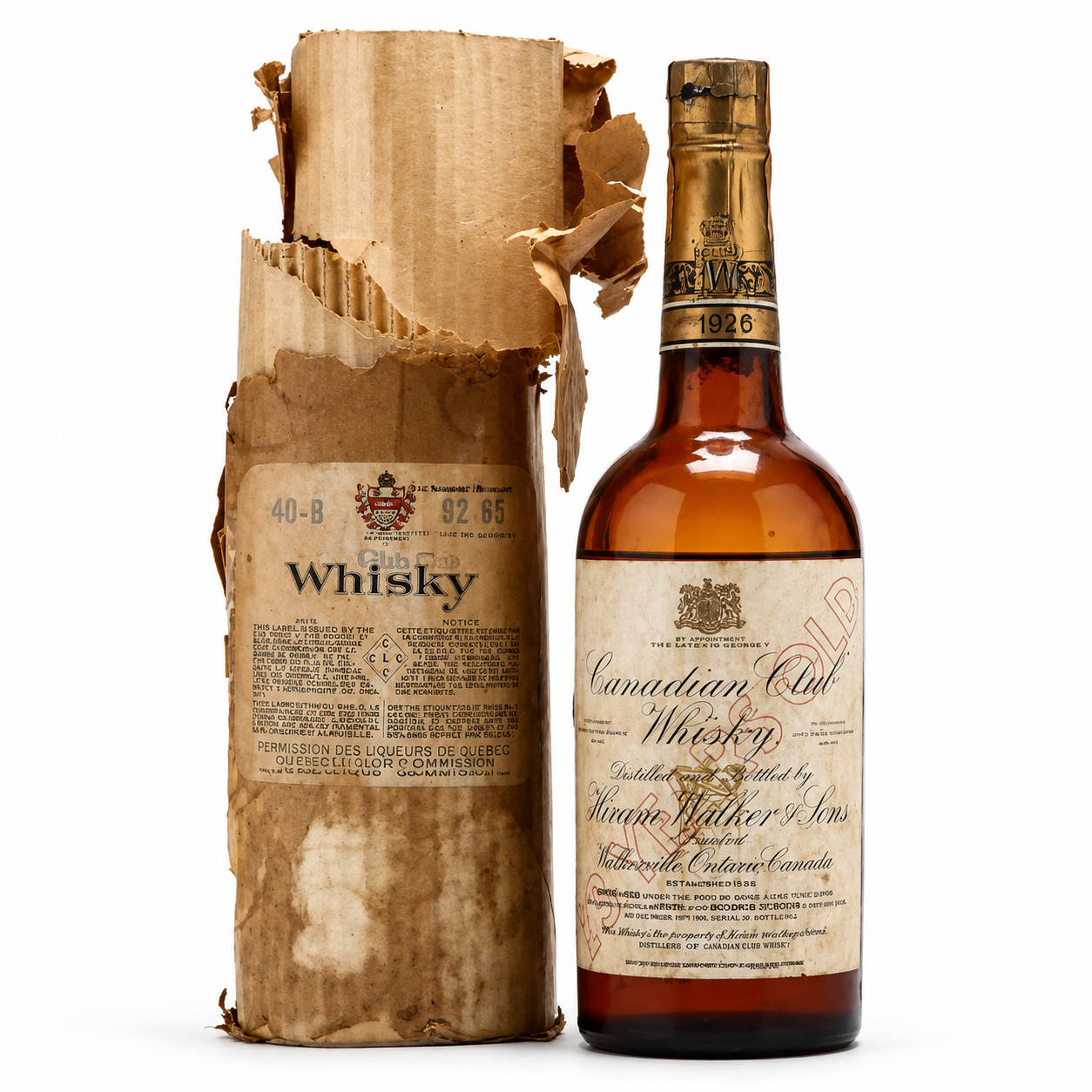
Canadian whisky is not limited to legacy blends. Distillers such as Glenora helped make room for Canadian single malt and more distillery-specific storytelling, which means today’s category is broader than its most familiar legacy bottlings.
Producer style shows the category’s range
The bottle shelf proves that Canadian whisky is not one texture or one flavour profile. Producers can lean toward light blends, more assertive rye-led styles or distillery-specific malt routes.
Consistency and house style
Producers such as J.P. Wiser’s, Hiram Walker and Gooderham & Worts sit inside the long blended tradition that made Canadian whisky famous internationally.
Here, the blender’s role is central and the finished whisky is often designed around balance, approachability and repeatable style.
More visible distillery identity
Glenora, Alberta Distillers and newer producers show that Canadian whisky can also speak with a more distinct regional or distillery voice.
That range includes single malt routes, rye-led styles and expressions where production individuality is more visible.
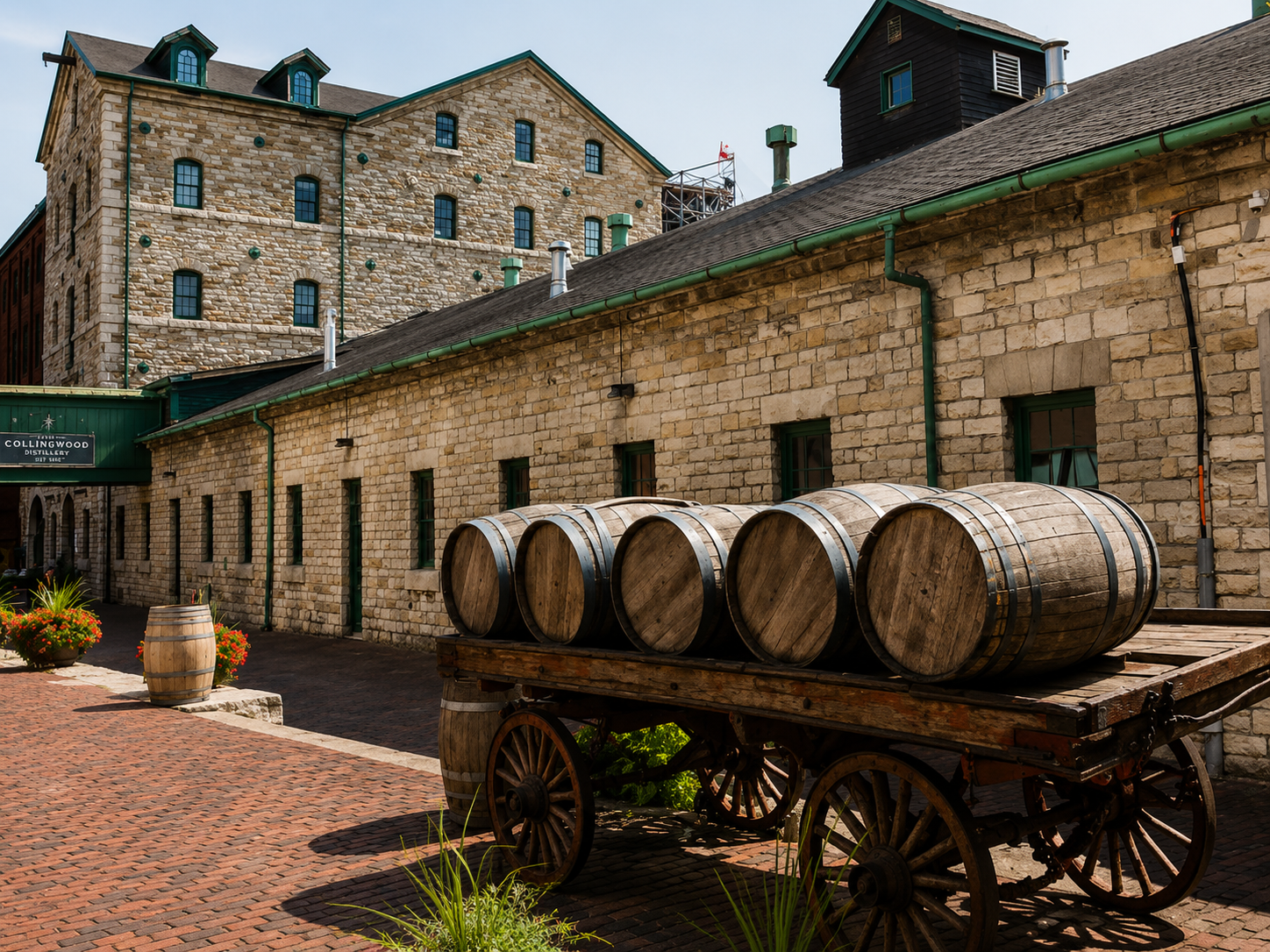
Glenora points to the Canadian single malt conversation. Alberta Distillers is strongly associated with rye. Gooderham & Worts and J.P. Wiser’s connect clearly to the long blended tradition. Together they show why “Canadian whisky” should be read as a broad family rather than one narrow flavour stereotype.



Taste and serve from evidence
Start with what is actually in the glass, then use grain, blending, cask and producer information to explain it.
Do not reduce the category to “smooth”
Canadian whisky can be polished and easy-drinking, but “smooth” explains very little. Ask what creates that impression: lighter base whisky, restrained oak, moderate bottling strength, careful blend integration or a combination of them.
Then identify what sits underneath: rye lift, cereal tone, sweetness impression, vanilla, dried fruit, oak spice, body and finish. Compare a soft highball-friendly blend with a rye-led bottling and a distillery-led single malt; the contrast teaches the category more clearly than one tasting-note list.
Connected knowledgeSee how progressive dilution changes aroma, texture and balance →

Read the glass
Keep the tasting sequence stable, then connect observations to grain, cask and blend structure.
Serve deliberately
The blend structure often makes Canadian whisky flexible, but flexibility is not the same as sameness.
Best for understanding house style, rye lift and the relationship between cask and blend.
Add progressively when proof, oak or integration needs to be unpacked more clearly.
Many lighter Canadian styles work beautifully in a long, cold serve where blend balance stays visible.
Canadian whisky can sit cleanly in an Old Fashioned, Manhattan or Whisky Highball when the bottle’s actual structure supports the drink.
RefSources & Further Reading
References
Sources behind the guide
Canadian legal identity and age rules were checked against current official sources in August 2026. The WSET Level 3 Spirits study framework supplied the production and category backbone.
Canadian law & labelling
Canadian Food Compositional Standards · 2.1.3Canadian Whisky, Canadian Rye Whisky or Rye Whisky compositional standardFood and Drug Regulations · B.02.020Current Canadian age-claim rule for Canadian whiskyFood and Drug Regulations · Division 2 Alcoholic BeveragesDefinitions such as “small wood” and related whisky provisions including B.02.023CFIA · Labelling requirements for alcoholic beveragesAge claims and labelling guidance for Canadian alcoholic beveragesThe takeaway
Read the blend.
Then read the grain.
Canadian whisky is one legal family with many production paths inside it. Grain choice, distillation style, small-wood maturation and blending decisions explain what the bottle becomes far better than the word “rye” alone.