A juniper-flavoured spirit made from agricultural ethyl alcohol.
Gin, Genever & Botanicals · Guide 02
Gin Fundamentals
Neutral Spirit, Juniper & Production.
Modern gin usually begins with highly rectified agricultural alcohol. Juniper gives the category its defining flavour, while the rest of the botanical recipe builds around it. Producers can flavour the base alcohol directly or redistil it with juniper and other natural botanicals. The finished style then reflects the recipe, the way the botanicals are handled, the still, the cut points, final assembly and bottling strength.
Scope This guide establishes the modern gin production framework: agricultural ethyl alcohol, juniper, compounding, botanical redistillation, legal categories and tasting logic. Detailed botanical recipes, extraction methods and jurisdictional law are developed in the later guides.
Start with the category →Continue where you left off →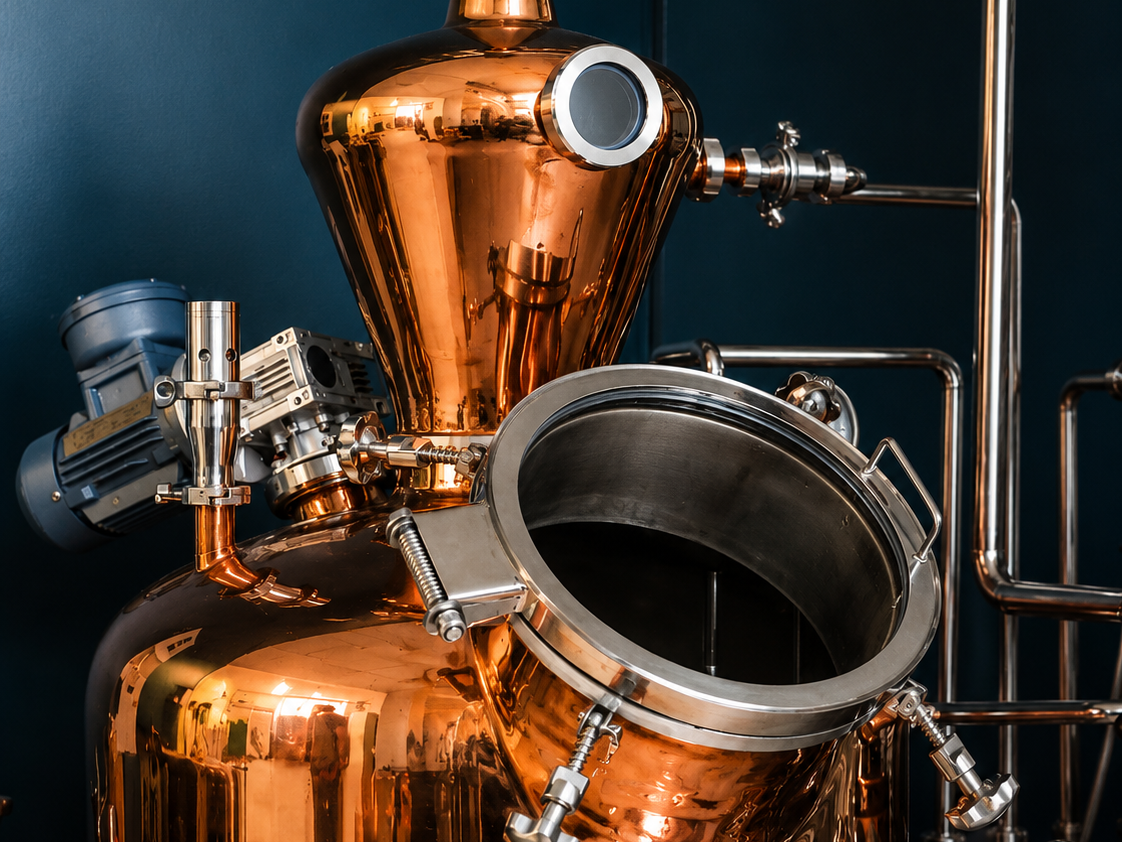
After this guide
01
Explain the role of neutral agricultural alcohol in modern gin production
02
Explain compounding, botanical redistillation and the London Gin production standard
03
Connect juniper, botanical handling and distillation choices to evidence in the glass
Answer first
What defines gin?
Gin is a juniper-flavoured spirit built on agricultural ethyl alcohol. Under current EU law, Juniperus communis must provide the predominant taste and the finished spirit must reach at least 37.5% ABV. Distilled Gin and London Gin add further production requirements. From there, the useful questions are straightforward: what alcohol carries the recipe, how is the juniper character created, and which production method places the other botanicals into the spirit?
Guide contents
Follow the category from its base alcohol through juniper, flavour creation, distillation and legal definition, then use those production facts to interpret the finished gin.
01Juniper defines the category02Highly rectified alcohol forms the modern base03Juniper gives the recipe its centre04Two broad routes build flavour05Batch distillation turns the recipe into spirit06Gin, Distilled Gin & London Gin07Cleaner base spirit changed modern gin08Blind tasting: read the gin from the glass
Juniper defines the category
Juniper provides the characteristic flavour required by the category; the base alcohol and production route explain how that flavour is built.
Define gin before discussing style
The word gin covers a broad family of juniper-flavoured spirits. Category law establishes the common foundation; the base alcohol, botanical recipe and production method create the differences between individual gins. Style language becomes more useful once those production facts are clear.
Under Regulation (EU) 2019/787, Gin is produced by flavouring agricultural ethyl alcohol with common juniper, Juniperus communis. Other permitted flavouring materials can contribute to the recipe, while juniper remains predominant. Minimum bottling strength is 37.5% ABV. Distilled Gin and London Gin sit within the same legal family and add more specific production requirements.
Modern gin normally uses neutral or highly rectified alcohol, so most of its aromatic identity comes from juniper and the wider botanical recipe. The way those botanicals meet the alcohol then becomes one of the clearest explanations for style.
Juniper supplies the category's characteristic flavour and gives the tasting assessment its first reference point.
Gin, Distilled Gin and London Gin share this minimum bottling strength.
Highly rectified alcohol forms the modern base
High rectification reduces fermentation and raw-material congeners, leaving a clean alcohol base for the botanical recipe.
The base alcohol is usually made first
Most modern gin begins with agricultural ethyl alcohol that has already been fermented, distilled and rectified to high strength. That alcohol may be produced at the gin distillery or purchased from a specialist supplier. Grain neutral spirit is a common commercial starting point, especially where continuous distillation is used to achieve high purity at scale.
Grain is widely used, although qualifying agricultural ethyl alcohol can come from other agricultural raw materials. The important production feature is the level of rectification. Higher rectification leaves fewer congeners from fermentation and the original raw material, so juniper and the other botanicals become the main source of aroma and flavour.
The quality of that base remains important. Coarse alcohol, unwanted congeners or poor integration can still be evident after flavouring and dilution. A well-made, highly rectified spirit gives the distiller a consistent medium in which botanical differences can be controlled more precisely.
Agricultural raw materials provide the fermentable material from which the base alcohol is made.
Yeast converts fermentable sugars into ethanol and a range of fermentation congeners.
Distillation separates and concentrates alcohol from the fermented liquid.
Rectification raises alcoholic strength and reduces the concentration of many congeners.
The rectified alcohol then carries the juniper and the wider botanical recipe.
For the full mechanism, continue to Neutral Spirit & Rectification.
Continue · Chapter 03Place juniper at the centre →Juniper gives the recipe its centre
Juniper provides the central aromatic reference. The remaining botanicals can broaden, soften or redirect the profile around it.
Read the juniper character first
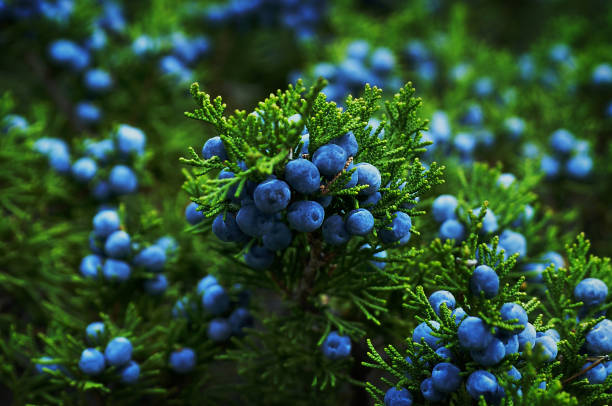
Common juniper is a conifer whose female seed cones are usually called juniper berries. Its aroma can show green pine, resin, camphor, lavender and herbal notes. Those references make juniper the natural centre of the tasting profile, with the supporting botanicals read around it.
The berries themselves vary with origin, ripeness, drying and storage. Preparation and extraction then influence how much of that aromatic material reaches the spirit. In tasting, first identify the intensity and quality of the juniper character, then place citrus, spice, floral, earthy or herbal notes around it.
Juniper-forward is useful sensory language for a gin in which pine, resinous, green-herbal or camphor-like juniper character carries much of the aromatic profile. Other gins give citrus, floral, spice or fruit a larger supporting role while keeping juniper predominant. The legal categories remain Gin, Distilled Gin and London Gin; juniper-forward simply describes the way a particular gin presents in the glass.
The dedicated Juniper & the Botanical Recipe guide examines coriander, roots, citrus, spices, floral materials and contemporary ingredients in detail. At this stage, the useful lesson is how those materials sit around the juniper.
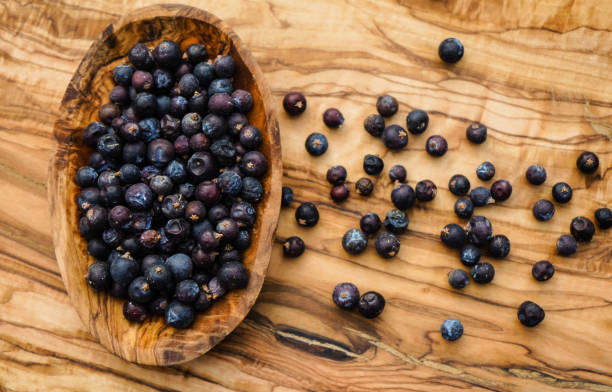
Pine, resinous and green-herbal juniper carries much of the aromatic profile; the term is a sensory descriptor.
Origin, ripeness, drying and storage change the aromatic material available to the distiller.
Alcohol contact and vapour contact extract different proportions of the botanical's volatile compounds.
Gin flavour can be compounded or redistilled
Direct flavouring produces Gin; a qualifying botanical redistillation forms the basis of Distilled Gin.
Compounding adds flavour directly to the base alcohol
In European terminology, Gin is the legal category and compounding describes one way of making it. Qualifying agricultural ethyl alcohol is flavoured directly with juniper and permitted flavouring substances or preparations. Once the recipe is balanced, the spirit can be adjusted to bottling strength provided the finished gin meets the category requirements. Producers and educators commonly call this route compound gin or cold-compounded gin.
A redistilled route places agricultural ethyl alcohol and juniper through a qualifying botanical distillation. This forms the production basis of Distilled Gin. The botanicals may steep in the alcohol, sit in the still during the run, or meet the alcoholic vapour in a basket or chamber. The dedicated extraction guide will examine those methods in detail.
Either route can produce a well-made gin. The result depends on the quality of the base alcohol, the botanical recipe, preparation, alcoholic strength, contact time and, where distillation is used, the still and cut points.
Juniper-led flavour is added directly to qualifying agricultural ethyl alcohol; the legal category name is Gin.
Qualifying agricultural ethyl alcohol is redistilled with juniper and other natural botanicals.
Permitted components can be assembled after distillation within the rules of the relevant gin category.
Batch distillation turns the recipe into spirit
Prepared alcohol and botanicals enter the still as a batch. Heat, vapour flow, reflux and cut points determine which aromatic compounds are collected.
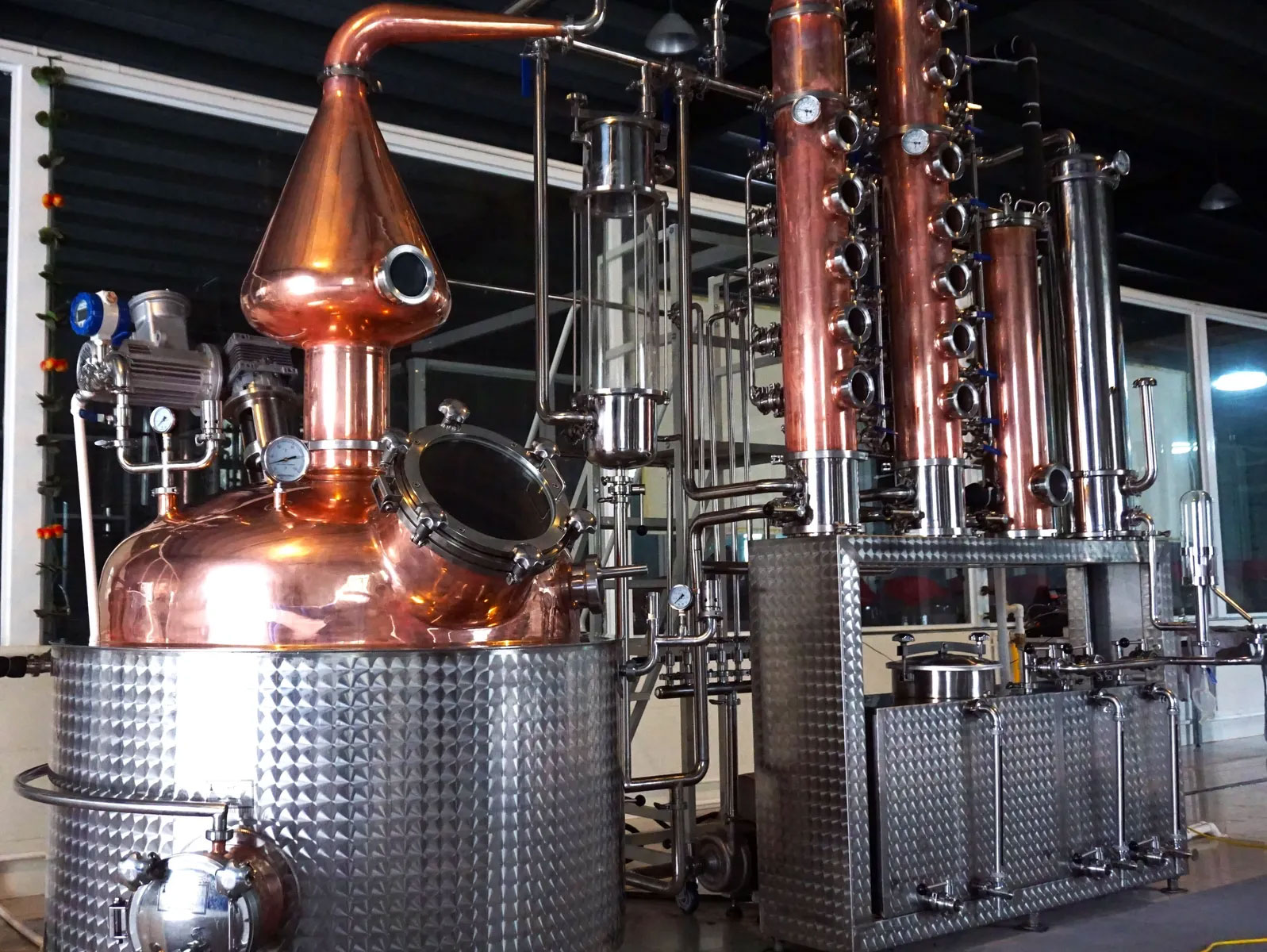
The composition changes throughout the run
Botanical gin distillation is commonly carried out as a batch process. The still is charged with prepared alcohol, water and botanicals according to the chosen method, then heated. Alcohol and volatile botanical compounds rise as vapour, pass through the vapour path and condenser, and return to liquid distillate. The producer controls charge strength, botanical handling, heat input, reflux and collection points to suit the still and recipe.
Botanical compounds emerge in changing proportions as the run develops. More volatile material appears earlier, while heavier compounds become more important later in the run. Distillers organise that changing composition into heads, the selected spirit cut or heart, and tails. The cut points are chosen for the balance of alcohol and botanical character required by the recipe.
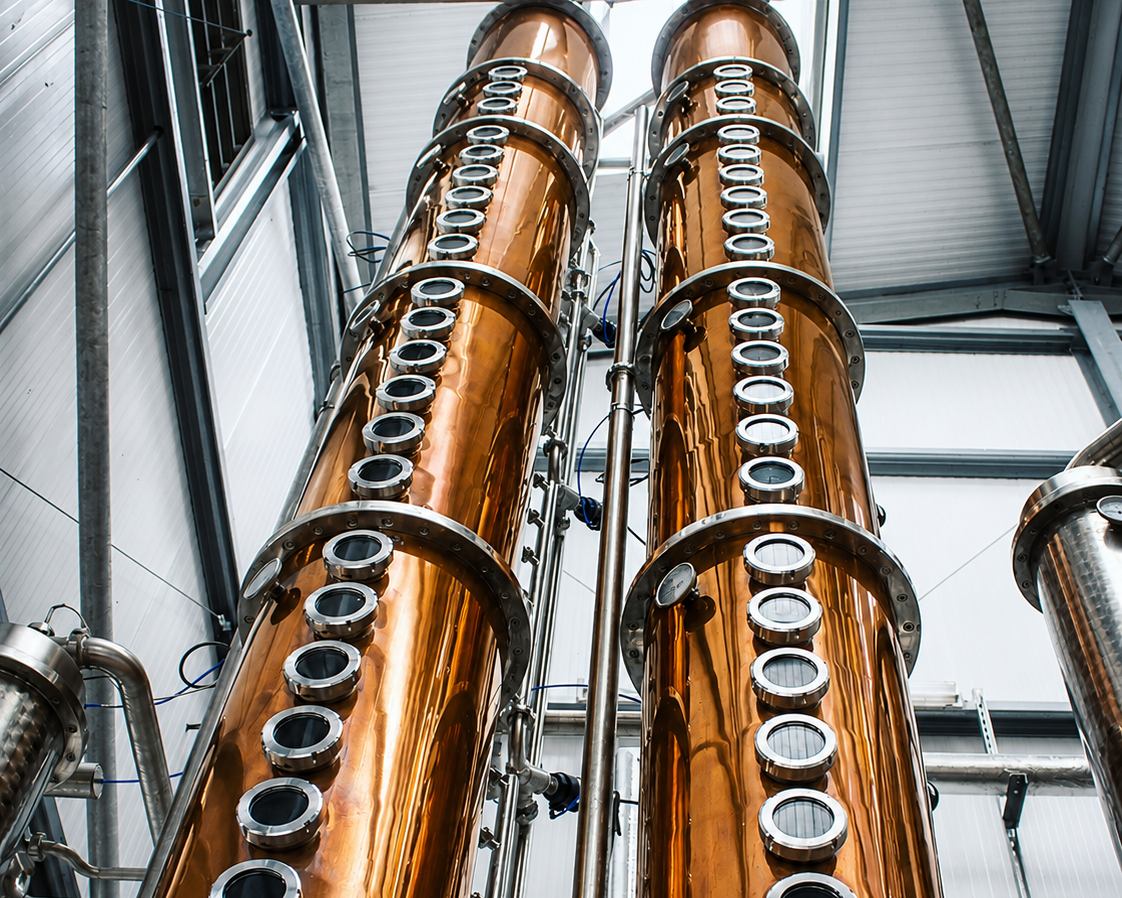
Pot-based systems are common because they allow the distiller to work with a defined batch and make deliberate collection decisions. Many modern gin stills also use plates, short columns or other reflux devices. The pot, rectifying surfaces, vapour path, condenser and collection points therefore work as one distillation system.
Neutral alcohol, water and botanicals are prepared according to the chosen extraction method.
Heating carries alcohol and volatile botanical compounds into the vapour phase.
Still shape and rectifying surfaces influence reflux and the composition of the vapour moving forward.
The condenser cools the vapour back into liquid distillate.
The selected spirit cut is retained for the intended aromatic balance and structure.
For the underlying separation principles, use Distillation in Spirits and Pot Still vs Column Still.
Continue · Chapter 06Orient the legal categories →The legal names record the production method
Current European law defines Gin, Distilled Gin and London Gin through increasingly specific production requirements.
The law distinguishes the categories by production requirements
Regulation (EU) 2019/787 gives a useful three-part structure. Gin covers qualifying agricultural ethyl alcohol flavoured with juniper, including the route commonly described as compounding or cold compounding. Distilled Gin requires a qualifying botanical distillation using agricultural ethyl alcohol of at least 96% ABV at the start of that distillation, with juniper remaining predominant. Directly flavoured products therefore sit within the Gin category when they meet its requirements.
London Gin is a Distilled Gin made to a tighter production standard. Its flavour comes exclusively from distilling agricultural ethyl alcohol in the presence of all the natural plant materials used. The resulting distillate must reach at least 70% ABV. The finished gin remains colourless; sweetening is limited to 0.1 g/L expressed as invert sugar, and final additions are restricted to water and the permitted small amount of sweetening product. Minimum bottling strength remains 37.5% ABV.
Great Britain retains closely related category definitions within its current spirit-drinks framework, while Northern Ireland continues to apply the relevant EU rules. The dedicated law guide will compare the jurisdictions and deal with additional terms such as Old Tom, dry and geographical claims.
20
Gin
Agricultural ethyl alcohol is flavoured with Juniperus communis. Juniper taste predominates. Compounding can be used within this category. Minimum 37.5% ABV.
21
Distilled Gin
A qualifying distillation begins with agricultural ethyl alcohol with an initial strength of at least 96% ABV in the presence of juniper and other natural botanicals. Juniper remains predominant. Minimum 37.5% ABV.
22
London Gin
Flavour comes exclusively from distillation with all natural plant materials used. The resulting distillate reaches at least 70% ABV; colour is excluded and sweetening is capped at 0.1 g/L. Minimum 37.5% ABV.
Production language: Compound gin describes a compounding method. Gin is the legal category under the EU framework.
Continue · Chapter 07Connect Genever to modern gin →Cleaner base spirit changed modern gin
Improved rectification moved gin toward a cleaner base and gave the botanical recipe greater sensory prominence.
Gin developed through trade, local production and changing distillation
Genever developed in the Low Countries from grain distilling and the use of juniper and other aromatic materials. English drinkers encountered Genever and related Dutch spirits through trade, migration and military contact, and English distillers adapted those ideas to local raw materials, tastes and production conditions. Modern gin emerged gradually through that exchange, supported by changes in local production and distillation technology.
Early English gin often began with a more characterful base spirit and sweetness was common. During the nineteenth century, continuous distillation made highly rectified spirit more consistent and more widely available. The change in base spirit altered the balance of the drink: less cereal and fermentation character remained, so juniper and the other botanicals became easier to separate and control.
Clearer, drier styles became increasingly important and helped establish the London Dry tradition. Modern producers now work across a much wider range of botanical profiles, yet the same production logic remains useful: high rectification gives the recipe more room to define the finished spirit.
Grain distillates flavoured with juniper establish the regional starting point.
Trade and English production turn the Genever influence into distinct local gin styles.
Continuous distillation makes highly rectified base alcohol more consistent and widely available.
Modern producers keep juniper as the category reference while working with a much broader botanical palette.
For the grain-led starting point, return to Genever.
Continue · Chapter 08Blind-taste the gin →Blind tasting: read the gin from the glass
Build the description first. Then decide where juniper sits in the profile and whether the gin reads as juniper-forward, classically balanced or contemporary.
Describe first; classify last
Assess a blind gin independently of brand, production method and legal designation. Start with what the glass actually shows. Check clarity and condition, then record aroma intensity and describe only the botanical character you can identify with confidence. Juniper is the first reference point; after that, look for broader families such as citrus peel, spice, root or earthy character, herbs and floral notes where they are genuinely present.
The useful style question is the position of juniper. In a juniper-forward gin, juniper is the clearest botanical impression on the nose and palate and remains central through the finish. A contemporary profile still shows identifiable juniper, while one or more supporting botanical families are especially pronounced and give the gin its distinctive direction. Many gins sit between those points, with juniper central and the rest of the recipe integrated around it.
On the palate, record sweetness, texture, flavour intensity and finish before making the style call. Keep quality separate from style: contemporary and juniper-forward profiles can each show balance, precision and high quality. Production method comes later. Maceration, vapour infusion, compounding, still type or botanical recipe can influence the liquid, but blind tasting alone rarely proves which route was used.
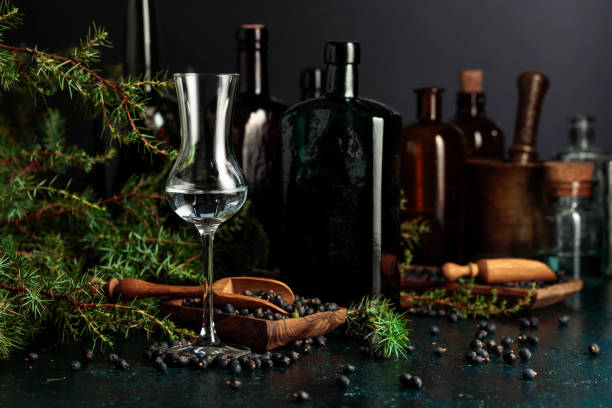
Blind tasting
Read the gin from the glass
Use the same order each time. Record the evidence first; make the style conclusion last.
Appearance & condition
Check clarity and colour, and note any louching or other visible change. Appearance gives context; it rarely identifies the style by itself.
Nose intensity
Record the overall intensity before naming aromas. Work from the clearest botanical character outward and use only descriptors you recognise confidently.
Locate the juniper
Decide how clearly juniper appears and where it sits in the profile. Does it lead immediately, share the centre with other botanicals, or become clearer on the palate and finish?
Supporting botanicals
Describe what is actually present: citrus peel, spice, root or earthy notes, herbs, floral character or another clear botanical direction. Keep recipe inference restrained; aroma alone rarely identifies the exact botanical recipe.
Palate & finish
Record sweetness, texture, flavour intensity and length. Ask which botanical character remains after swallowing and whether juniper continues to provide the central line.
Style conclusion
Use the complete pattern from nose, palate and finish. Keep the sensory conclusion separate from legal category and production method.
Juniper is the clearest botanical character on the nose and palate and remains central through the finish. Supporting botanicals stay secondary.
Juniper remains central while citrus, spice, root, herbal or other botanical notes are clearly integrated around it.
Juniper remains identifiable, while one or more supporting botanical families are especially pronounced and give the gin its distinctive direction.
Comparative tasting: where possible, taste samples at the same or similar strength. A large difference in ABV can change aroma release, alcohol warmth and texture enough to distort the style comparison.
RefSources & Further Reading
References
Sources behind the guide
The teaching sequence was built from WSET Level 3 Spirits and Edinburgh Whisky Academy's Certificate in Gin. Current legal claims were verified against the present European and Great Britain frameworks; botanical orientation was cross-checked against The Gin Guild.
Primary teaching references
WSET Level 3 Award in SpiritsGin production, base spirit, flavouring routes, style and quality frameworkEdinburgh Whisky Academy · Certificate in GinHistory, definitions, distillation, botanicals and tasting structureThe Gin Guild · Ginopedia BotanicalsBotanical identity and industry botanical referenceThe takeaway
Read the base.
Then read the recipe.
Highly rectified agricultural alcohol provides the usual frame. Juniper establishes category identity. Compounding or botanical redistillation establishes the production route; botanical handling, distillation, cuts, assembly and bottling strength determine how the recipe is expressed in the finished spirit.