
Protected across Belgium, the Netherlands, Nord/Pas-de-Calais, Nordrhein-Westfalen and Niedersachsen.
Gin, Genever & Botanicals · Guide 01
Genever
Moutwijn, Juniper & Protected Tradition.
Genever is built around grain distillate. Moutwijn contributes cereal and fermentation-derived character, with juniper providing the defining botanical reference. The GI protects the character-forming stages of production within specified areas of Belgium, the Netherlands, northern France and Germany. Producers can then shape the final style through the proportion of moutwijn, agricultural ethyl alcohol or other qualifying grain distillates, permitted sweetening and, where allowed, wood maturation.
Scope Current GI specifications provide the legal baseline. WSET Level 3 and Edinburgh Whisky Academy inform the production, historical and tasting framework. Traditional methods are identified as established practice where they are narrower than the production routes permitted today.
Start with protected identity →Continue where you left off →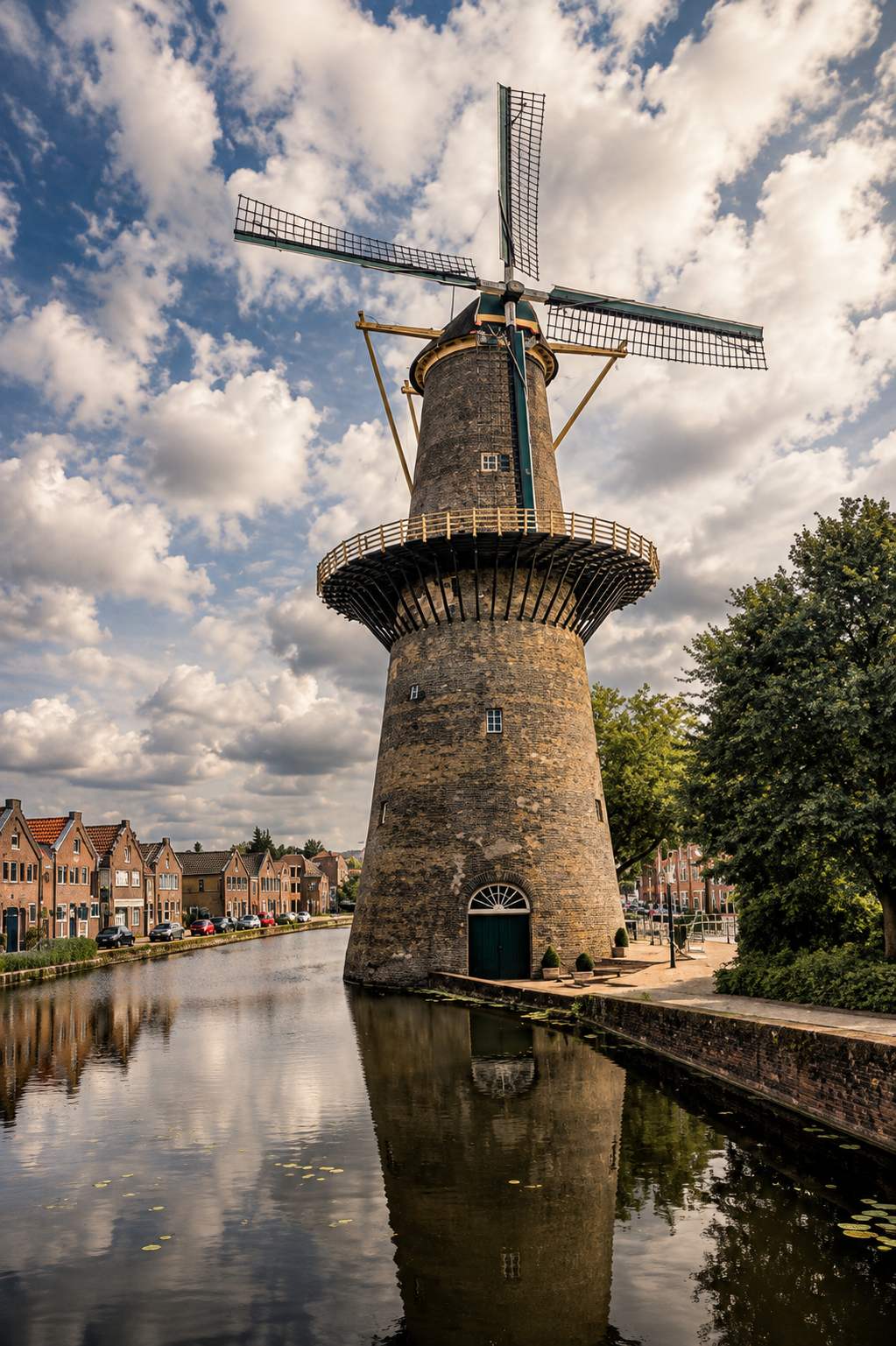
After this guide
01
Identify Genever’s protected geography and the rules that define the category
02
Explain how moutwijn, cleaner alcohol and botanical distillates shape the finished spirit
03
Use Jonge, Oude, Graanjenever and Korenwijn as production clues before tasting
Answer first
What is Genever?
Genever, Jenever and Genièvre are protected names for a juniper-flavoured spirit made from agricultural ethyl alcohol and/or grain distillate, including the traditional grain distillate moutwijn. Under the general GI, at least 1.5% of the pure alcohol in the finished product must come from moutwijn, and the spirit must be at least 30% ABV. Jonge, Oude and Graanjenever carry additional rules for composition, strength and geography. Korenwijn is a separate Dutch reserved designation requiring a much higher proportion of moutwijn.
Guide contents
Start with the protected identity, then follow the spirit through moutwijn, blending, botanicals, style terms, maturation, labels and tasting.
01Protected geography & identity02How the tradition developed03Moutwijn preserves grain character04Balance character & neutrality05Juniper alongside the grain base06Build the botanical distillate07Style terms reveal composition08Wood adds maturation character09Read production evidence on the label10Taste from grain outward
Protected geography defines where Genever is made
The GI places Genever’s character-forming production within the Low Countries and specified neighbouring regions.
The general GI establishes the legal definition
The protected names Jenever, Genever and Genièvre apply in Belgium, the Netherlands, the French departments of Nord and Pas-de-Calais, and the German regions of Nordrhein-Westfalen and Niedersachsen. The stages responsible for the spirit’s character and essential qualities must take place within this area. Reduction with water, bottling and packaging may take place elsewhere.
The general specification permits agricultural ethyl alcohol and/or grain distillate flavoured with juniper. At least 1.5% of the pure alcohol volume in the finished spirit must come from moutwijn, and the finished product must reach at least 30% ABV. The organoleptic character of the grain distillate must remain relevant to the finished spirit.
Protected in Belgium and the Netherlands, with their own moutwijn, strength, colour and sweetening rules.
A grain-only alcohol route protected in Belgium, the Netherlands and Nord/Pas-de-Calais.
Read the protected designation first. It establishes geography and composition; producer details then refine the interpretation of style and flavour.
Continue · Chapter 02How Genever developed →Genever developed from the grain-distilling traditions of the Low Countries
Its history brings together cereal distillation, juniper-based medicinal preparations and a growing regional spirits trade.
The documentary record traces a gradual development
Juniper-based medicinal distillates circulated in Europe before Genever emerged as a commercial category. In the Low Countries, records from 1492 indicate substantial production of spirit from local rye, and a technical description from 1582 treats grain as an established distilling raw material. By the seventeenth century, juniper-flavoured grain spirit was firmly established across the region.
Trade, migration and military contact carried Dutch-style grain spirits beyond the Low Countries. English drinkers encountered them during the seventeenth century, and Genever influenced the development of the English gin tradition. The styles diverged further as highly rectified neutral alcohol became more widely available and gin production developed along a different technical path.
Excise records point to established rye-spirit production in the Low Countries.
Written distilling instructions show grain already treated as an important raw material.
Commercial distilling expands as Genever becomes a major regional spirit.
Dutch-style grain spirits reach England and contribute to a separate English gin tradition.
Moutwijn carries grain and fermentation character
This characterful grain distillate supplies much of Genever’s cereal, fermentation and distillation character before the botanical component is added.
Whole grain is converted into a characterful distillate
Current product specifications allow moutwijn to be made from whole grains including wheat, rye, barley, maize, oats, buckwheat and triticale. Milling exposes the grain for conversion, water and enzymes make fermentable sugars available, and yeast converts those sugars into alcohol while producing fermentation-derived aroma compounds.
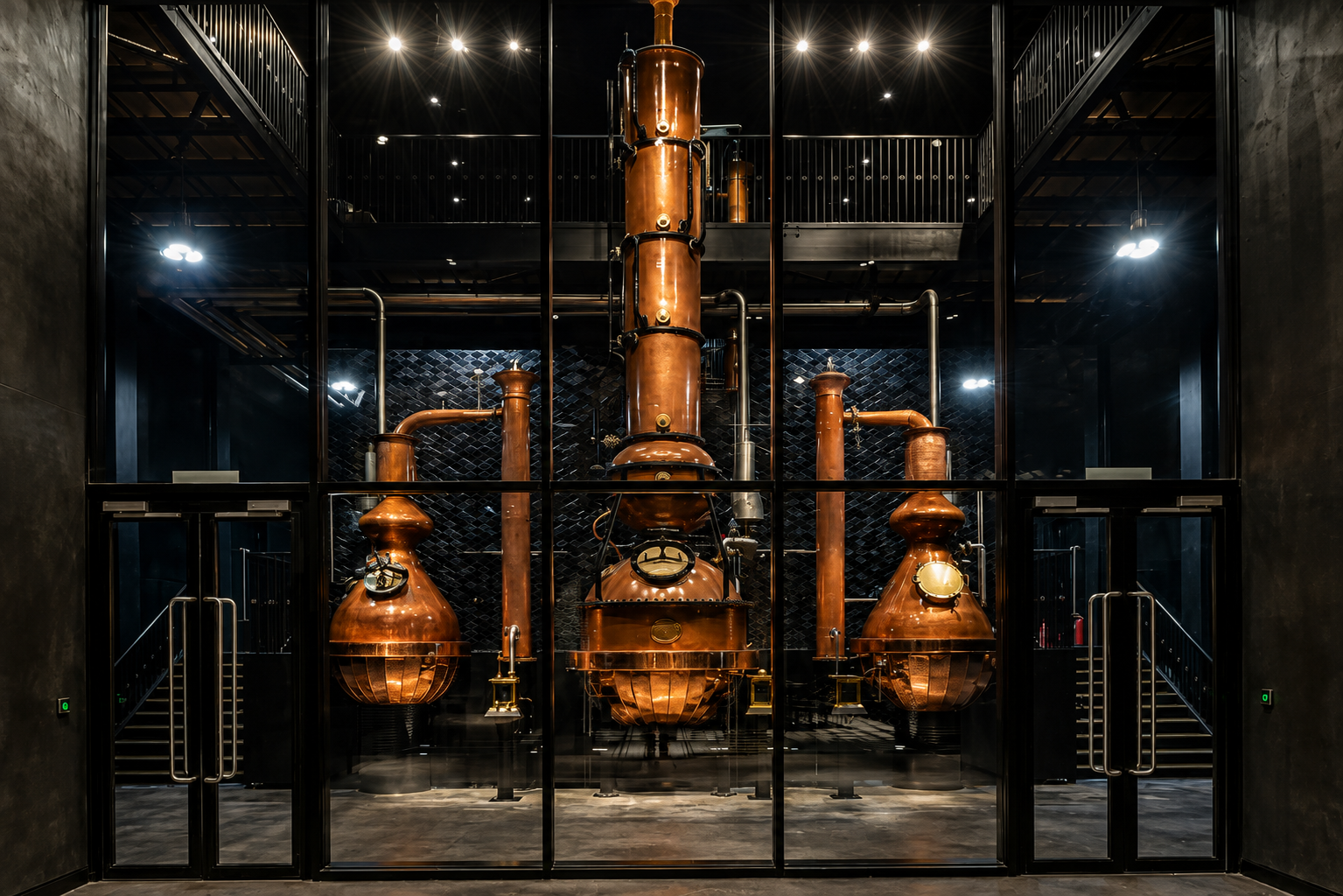
The GI dossiers define moutwijn as grain distillate obtained between 40% and 80% ABV. Distillate collected within this range can retain substantially more raw-material and fermentation character than highly rectified agricultural ethyl alcohol. A higher moutwijn proportion therefore tends to make cereal aroma, weight and distillate character more apparent in the finished Genever.
Traditional teaching commonly follows multiple pot distillations of the fermented grain wash. Current GI specifications also permit simple or multiple batch distillation with reflux and column distillation. Pot-distilled moutwijn remains an important reference point, but contemporary production can reach the legal grain-distillate range through several types of equipment.
For the underlying mechanism, continue to Fermentation in Spirits and Distillation in Spirits.
Continue · Chapter 04Balance character and neutrality →Blending controls the balance of grain character and cleaner alcohol
The proportion of moutwijn determines how strongly grain character carries into the final spirit. Cleaner alcohol allows the producer to moderate weight, intensity and texture.
Each alcohol component contributes differently
General Genever can combine moutwijn with agricultural ethyl alcohol and other qualifying grain distillates. Their proportions are central to style. Lower moutwijn levels produce a cleaner, lighter structure; higher levels make cereal aroma, texture and distillate character more prominent.
Graanjenever tightens the raw-material route because its ethyl alcohol and grain-distillate components come from grain. That rule identifies the origin of the alcohol. The separate moutwijn percentage tells the reader how much of the final alcohol comes from the more characterful grain distillate.
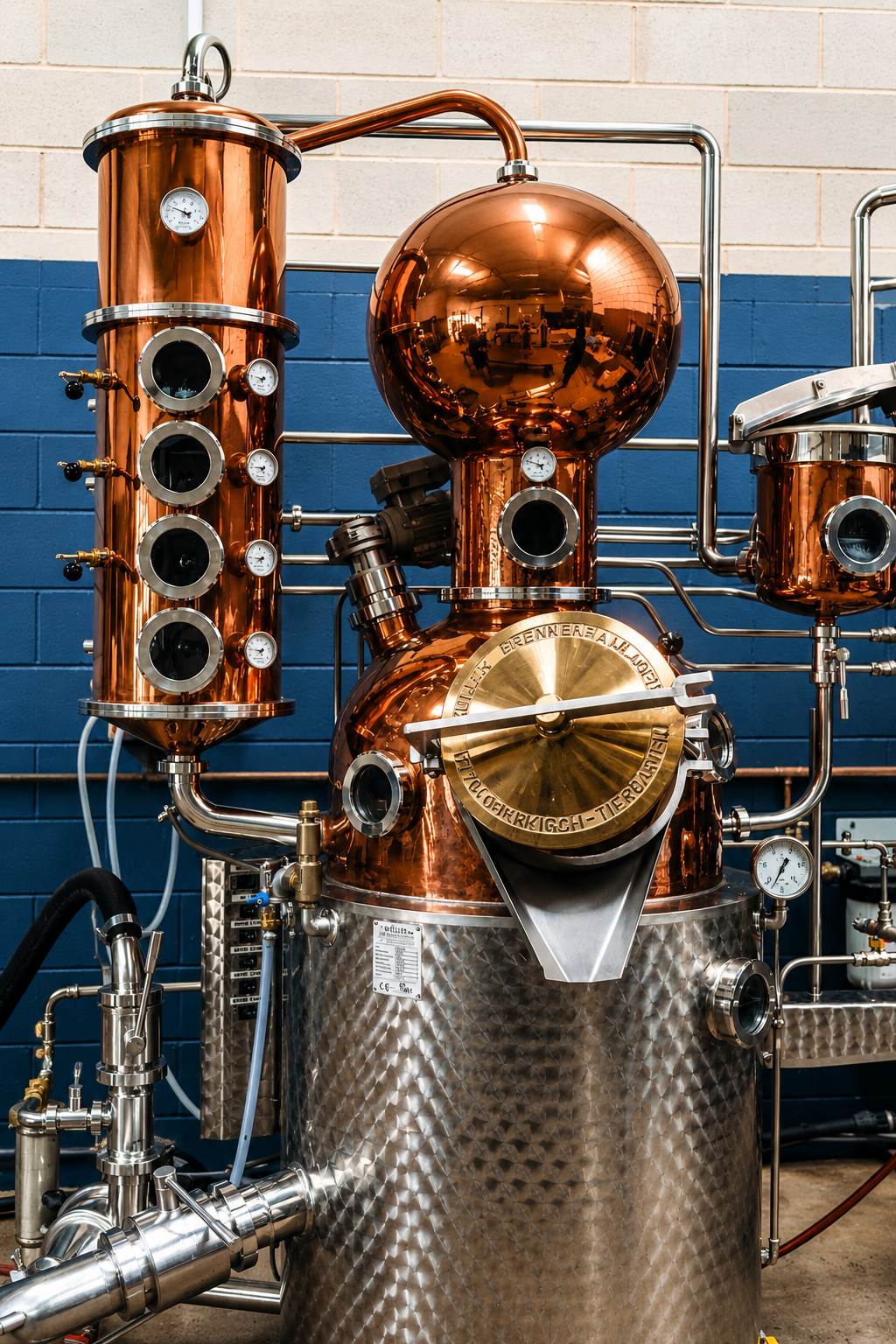
Still design, reflux and collection strength shape each component before blending. Pot stills, batch columns and continuous systems may therefore perform different functions within the same production route. Interpret the equipment in context: identify the component being produced, its collection strength and the amount of grain character the producer intends to retain.
Compare the separation systems in Pot Still vs Column Still.
Continue · Chapter 05Place juniper alongside the grain base →Juniper is layered onto the grain base
Juniper provides the defining botanical reference, alongside the cereal and distillate character carried by moutwijn.
The botanical layer is often restrained
Genever is flavoured with juniper, and producers may add other aromatic plants, herbs and spices. The botanical charge is often lighter than in many gins, allowing cereal, malt-like and fermentation-derived character from moutwijn to remain clear in the finished spirit.
WSET and EWA identify this grain-led structure as an important sensory distinction. Juniper may appear as a light piney, resinous or herbal note. In higher-moutwijn styles, cereal and distillate character can become more prominent on the nose and palate. Botanical intensity varies with the producer’s recipe and method.
Supporting botanicals vary by producer. Coriander, angelica, citrus peel, orris and other materials associated with gin may appear in individual recipes, but there is no standard supporting-botanical formula for the category. Name specific ingredients only when they are disclosed; otherwise describe the aroma family observed in the glass.
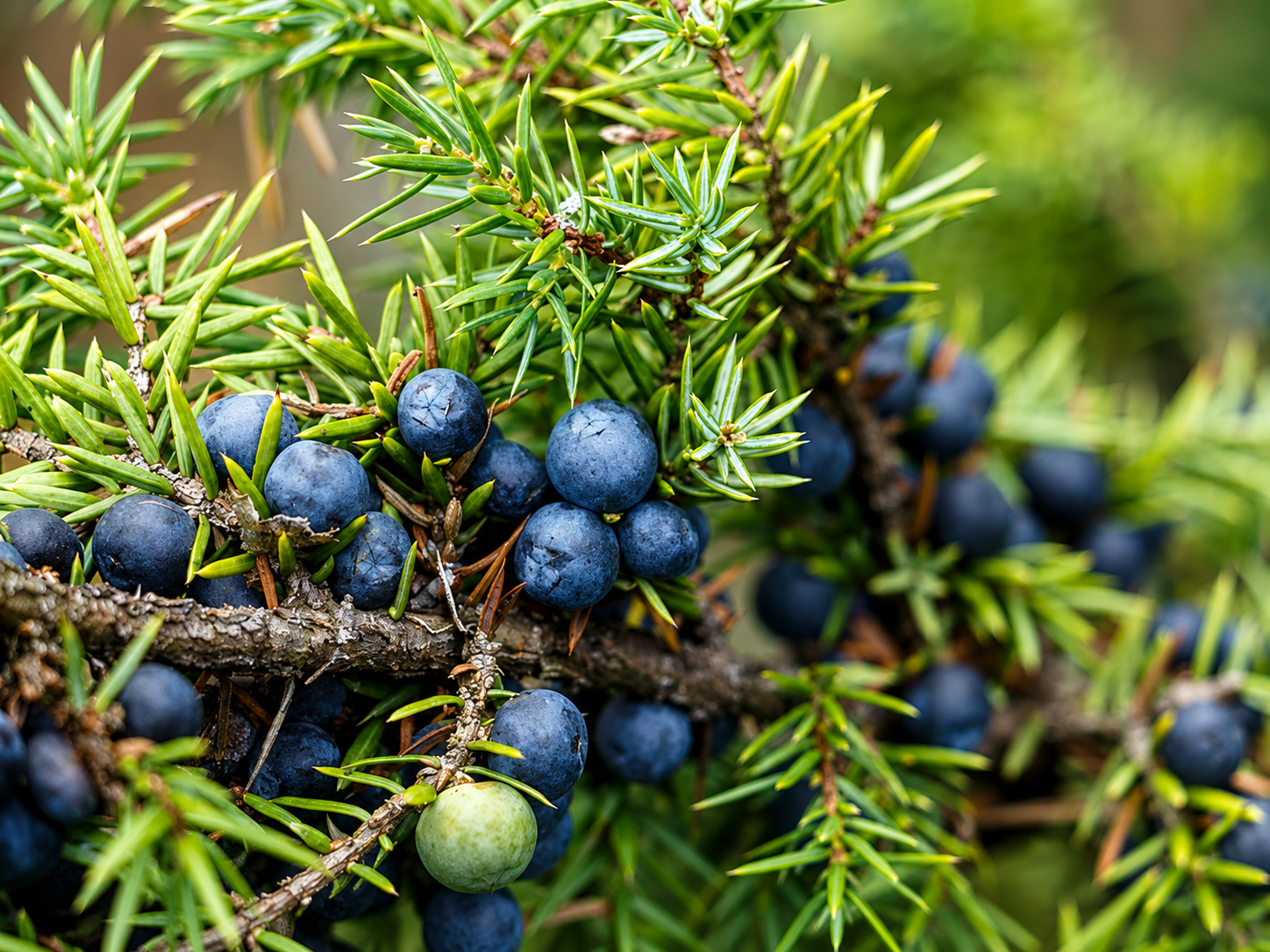
Its sensory expression can range from subtle to clearly piney, resinous or herbal.
A restrained botanical charge leaves more room for moutwijn and grain-derived character.
Additional herbs and spices belong to the individual recipe and should be identified from disclosure or sensory evidence.
WSET Level 3 and Edinburgh Whisky Academy both teach Genever through the relationship between maltwine, juniper and a lighter botanical structure. The current legal specifications establish juniper flavouring and the moutwijn contribution; the exact supporting recipe remains a producer decision.
For the deeper gin-specific botanical framework, continue to Juniper & the Botanical Recipe.
Continue · Chapter 06Build the botanical distillate →Botanical flavour may be prepared as a separate distillate
Redistilling juniper and other botanicals with a selected spirit component gives the producer precise control over the aromatic contribution before final blending.
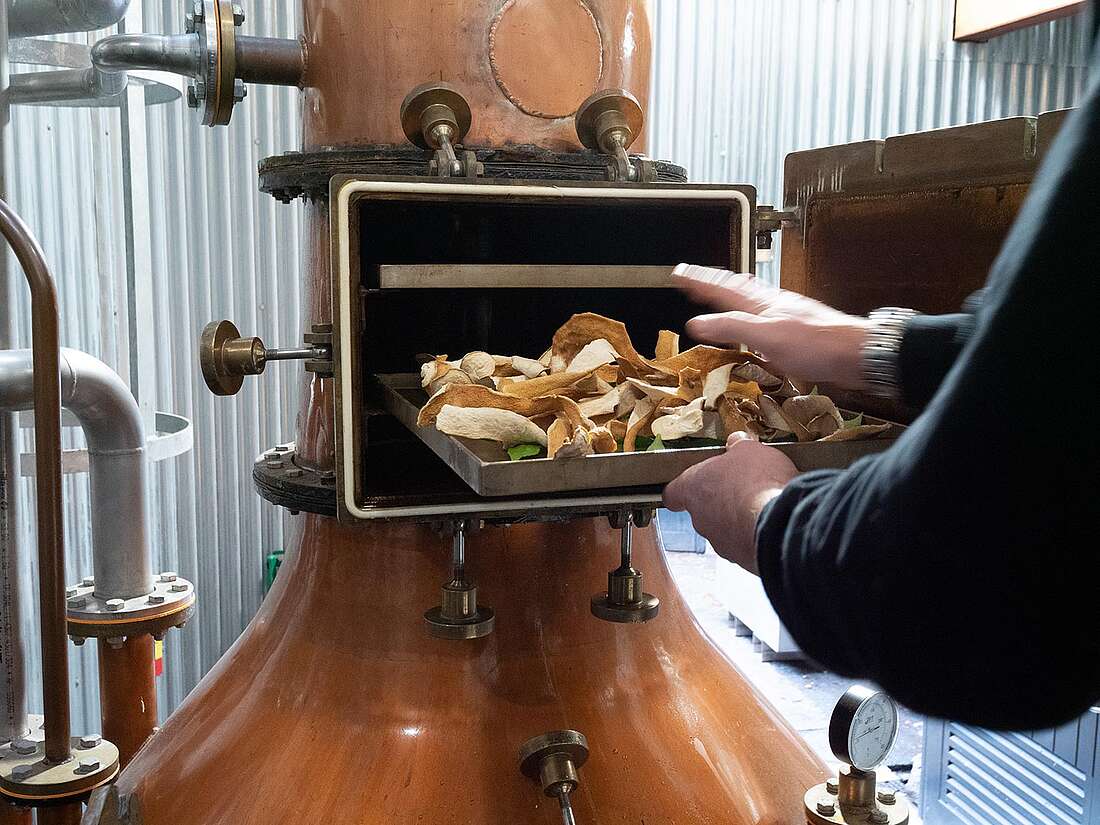
A botanical component can be distilled before final assembly
A traditional route is to redistil the botanicals with a portion of moutwijn or neutral spirit. The resulting aromatic distillate can then be blended with the remaining grain distillate and cleaner alcohol during final assembly.
Botanicals may be steeped in the selected spirit before redistillation. Dosage, maceration time, alcoholic strength, still design, heat input and cut points all influence which volatile compounds reach the collected distillate. Recipe and extraction method therefore have to be read together.
A separate aromatic component gives the producer additional blending control. Moutwijn supplies grain and fermentation character, cleaner alcohol adjusts weight and intensity, and the botanical distillate contributes juniper and supporting aromas according to the house style.
Style terms provide direct clues to composition
Jonge, Oude, Graanjenever and Korenwijn indicate specific rules for moutwijn, raw-material origin, alcoholic strength and permitted sweetening.
Jonge and Oude describe formulation, not age
Jonge developed as a lighter post-war formulation with a lower permitted share of moutwijn. Oude follows an older-style composition and begins at a higher moutwijn minimum. Ageing is optional for both, so these terms describe formulation rather than time in wood.
General GI
Jenever / Genever / Genièvre
At least 1.5% moutwijn · at least 30% ABV. Agricultural ethyl alcohol and/or grain distillate are flavoured with juniper. The character-forming production stage takes place within the protected multinational area.
Protected GI
Jonge Jenever
1.5% to under 15% moutwijn · at least 35% ABV · maximum 10 g/L sweetening. Production is protected in Belgium and the Netherlands. The current specification describes the finished spirit as colourless.
Protected GI
Oude Jenever
At least 15% moutwijn · at least 35% ABV · maximum 20 g/L sweetening. Production is protected in Belgium and the Netherlands. The specification permits amber, light yellow and light brown colouring.
Protected GI
Graanjenever
At least 1.5% moutwijn · at least 30% ABV. The ethyl alcohol and grain-distillate components are grain-derived. The protected area covers Belgium, the Netherlands and Nord/Pas-de-Calais.
Dutch reserved designation
Korenwijn / Corenwijn
At least 51% of the alcohol component from moutwijn, or qualifying moutwijn redistilled up to 70% ABV · at least 38% ABV · maximum 20 g/L sugar. The alcohol base is exclusively grain-derived. Korenwijn is a Dutch reserved designation that sits alongside the Genever GI terms.
The moutwijn percentage is the clearest structural clue. Read it together with the origin of the alcohol, legal strength and permitted sweetening to establish a realistic expectation of style.
Continue · Chapter 08Follow the spirit into wood →Wood maturation adds extraction and oxidative development
Maturation can add colour, wood-derived aroma, tannin and oxidative development to the grain and botanical structure already present in the spirit.
Ageing develops the existing spirit
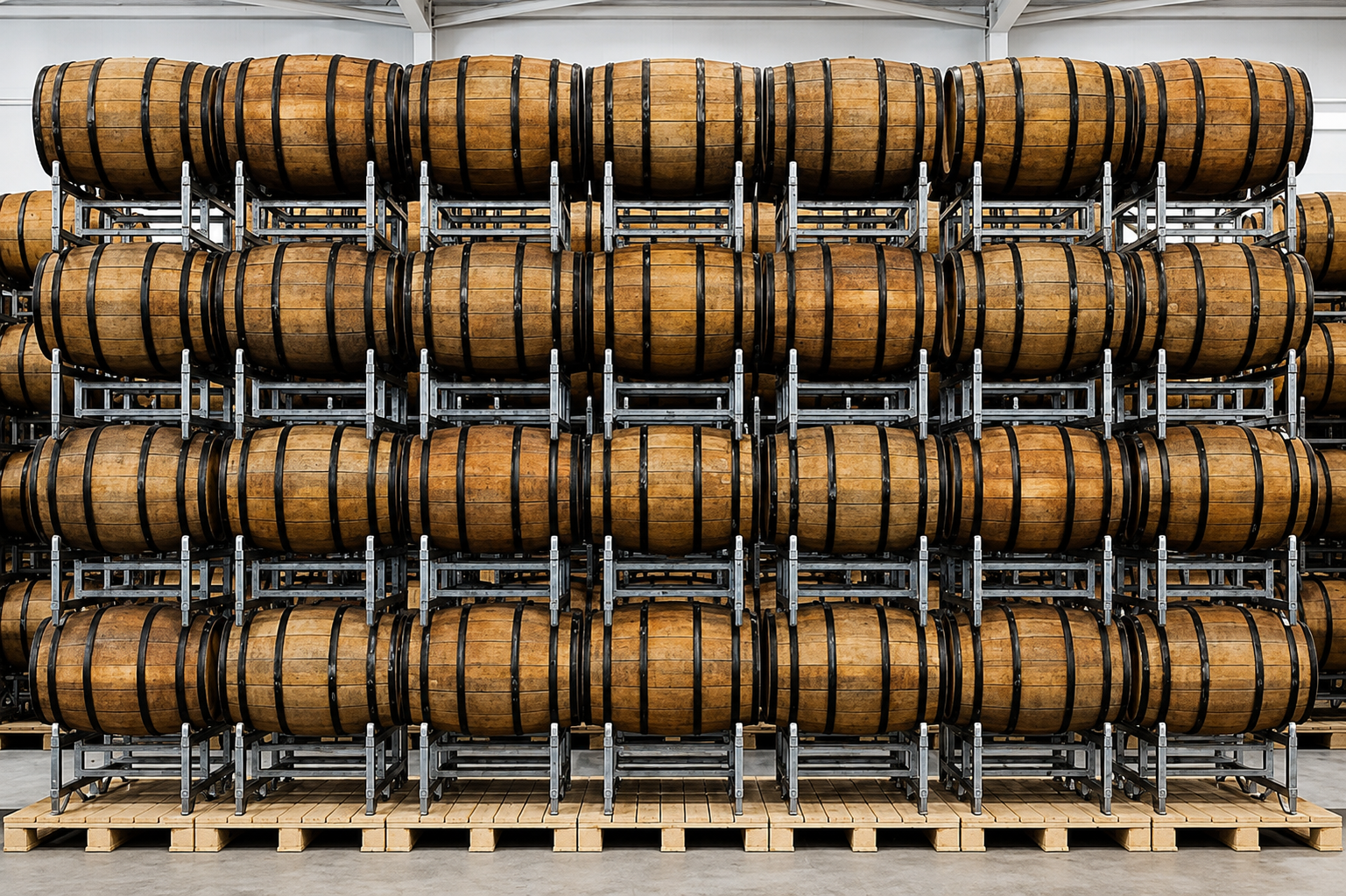
Current Genever specifications permit ageing in wooden barrels or casks. The Oude Genever dossier allows an ageing or maturation reference after at least one year in wood. In Belgium and the Netherlands, a stated maturation period is recorded for traceability.
WSET and EWA use wood-aged Genever to show how cask influence can develop on top of cereal, juniper and botanical character. Cask history, wood species, previous contents, time and storage conditions determine the result. Producer practice includes used American oak among a much wider range of possible vessels and cask histories.
In the glass, assess cask influence alongside the base style. Vanilla, spice, toast, tannin, colour and oxidative notes should be interpreted in relation to the moutwijn share and botanical profile of the spirit that entered the vessel.
For cask history and fill activity, continue to New Oak vs Used Oak.
Continue · Chapter 09Read the production evidence on the label →The label reveals the production structure
Read the protected designation first, followed by geography, alcoholic strength, style, maturation and producer detail.
Read the legal identity first
Identify the legal designation first: Genever/Jenever/Genièvre, Jonge, Oude, Graanjenever or the separate Dutch reserved term Korenwijn. Then read the origin, ABV, any age or maturation reference, followed by producer information about grain, moutwijn, botanicals, stills or cask history.
Treat these statements as production evidence. Finished flavour reflects the moutwijn proportion, other alcohol components, distillation choices, botanical extraction, sweetening, cask history and time. The label establishes the production context; tasting shows how clearly those choices appear in the spirit.
Identify the legal category and the production rules attached to it.
Locate the protected country or region before reading producer provenance claims.
Jonge, Oude and Graanjenever already disclose part of the composition; producer detail can make the grain structure clearer.
Use alcoholic strength as legal confirmation and as context for texture, dilution and service.
An age or cask statement adds direct evidence about maturation to the underlying style term.
Stills, botanicals, moutwijn percentages and blending information help explain the production route in greater detail.
Taste from the grain outward
Assess the spirit in production order: grain and texture first, botanical character next, followed by sweetness, wood influence and finish.
Taste through the structure of the spirit
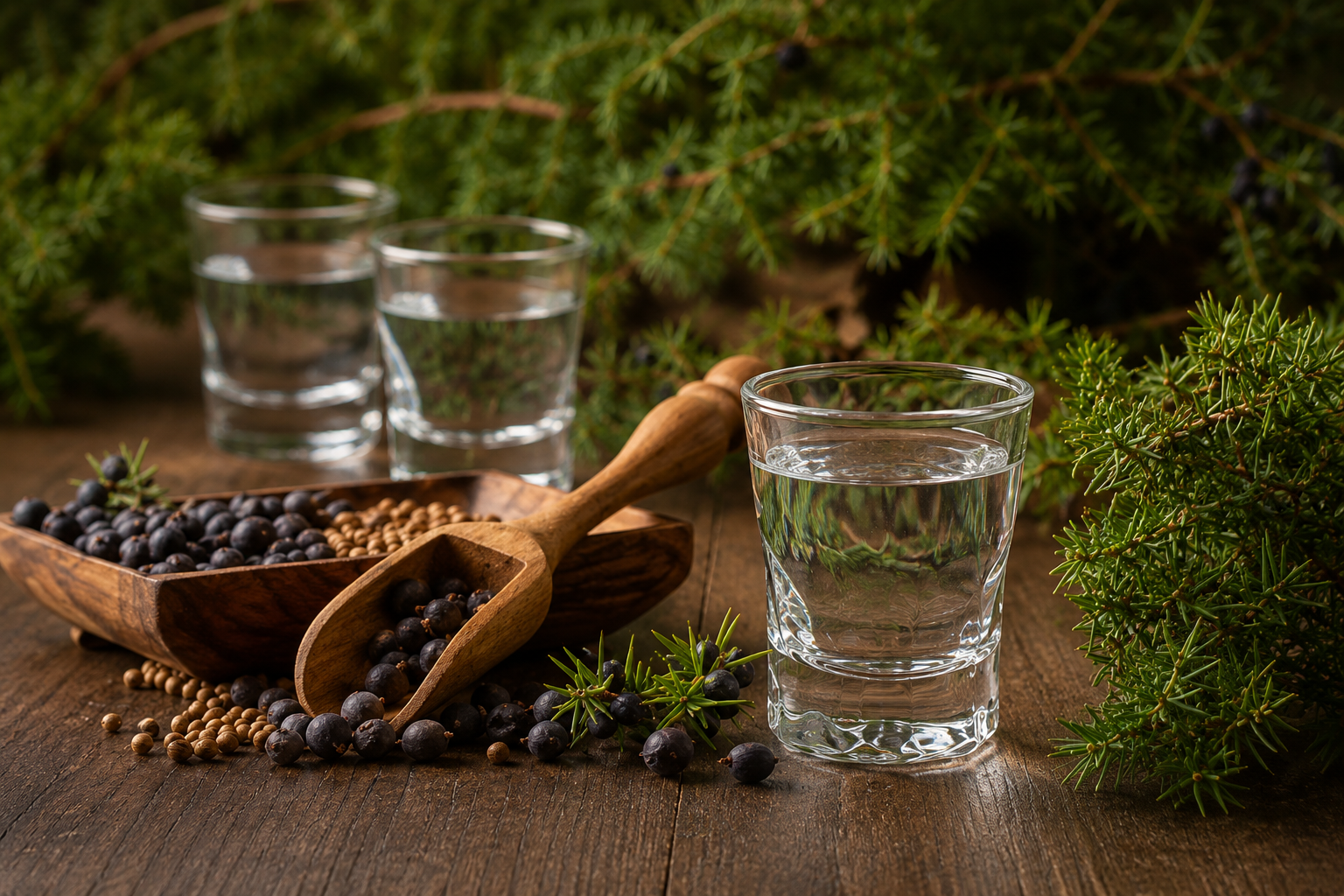
Begin with grain-derived aroma and texture. Cereal, dough, malt-like, nutty and fermentation-derived notes indicate how clearly moutwijn is expressed. Then assess juniper and the supporting botanical families present: pine, resin, herbs, spice, citrus, roots or flowers.
Assess sweetness, alcohol integration and weight next. For matured examples, include colour, wood-derived aroma, tannin and oxidative development. Link these observations back to production only where the label or known method supports the conclusion.
Style terms provide useful expectations. Jonge commonly shows a lighter moutwijn presence and a cleaner structure. Oude, Graanjenever and especially Korenwijn can carry greater cereal weight and texture as the moutwijn contribution rises. The individual sample determines how strongly these differences are expressed.
RefSources & Further Reading
References
Sources behind the guide
The teaching sequence draws on WSET Level 3 and Edinburgh Whisky Academy for production, history and tasting. Legal claims are checked against current Genever product specifications and Dutch reserved-designation rules. Earlier teaching material is used for historical and technical context; current law determines the legal wording.
Primary teaching references
WSET Level 3 Award in SpiritsProduction logic, Genever structure and professional tasting frameworkEdinburgh Whisky Academy · Certificate in GinHistory, styles, Genever, distillation and botanical teachingThe Gin Guild · Ginopedia BotanicalsIndustry botanical directory and botanical identityCurrent legal evidence
RVO · Protected spirit-drink designationsCurrent Genever, Graanjenever, Jonge and Oude GI overview and product dossiersINAO · Genièvre / Jenever / Genever specificationCurrent 2025 specification for the general Genever geographical indicationDutch Warenwet · reserved designationsCurrent Dutch Korenwijn composition and strength rulesThe takeaway
Read the grain.
Then read the botanicals.
Moutwijn provides the cereal, fermentation and distillate character at the centre of the category. Cleaner alcohol, juniper, supporting botanicals, permitted sweetening and wood maturation allow producers to shape weight, aroma and style within the protected specification.