Base spirit
Genever retains characterful grain distillate; gin commonly starts from highly rectified agricultural alcohol.
 Book a session
Gin, Genever & Botanicals
A structured route through Genever, gin and botanical flavour: base spirit, juniper, extraction, distillation, legal style and the evidence in the glass.
Genever provides the starting point because moutwijn retains cereal and fermentation-derived character that remains important in the finished spirit. Most modern gin production begins with highly rectified agricultural alcohol. Juniper and the wider botanical recipe then provide most of the aromatic character.
Answer first
Genever developed from grain distilling and juniper flavouring in the Low Countries and became an important influence on English gin. Modern Genever retains a defined moutwijn component, while modern gin commonly uses highly rectified agricultural alcohol and builds most of its identity through juniper and the wider botanical recipe.
Genever retains characterful grain distillate; gin commonly starts from highly rectified agricultural alcohol.
Juniper provides the category reference point and sits within different legal frameworks.
Maceration, vapour contact, separate distillation and post-distillation assembly create different aromatic results.
Read legal identity and production first; use the glass to test how those decisions are expressed.
Guide 01 · Live
The first guide establishes the historical and technical foundation: protected geography, moutwijn, grain distillate, juniper, distillation, style language, wood and tasting.
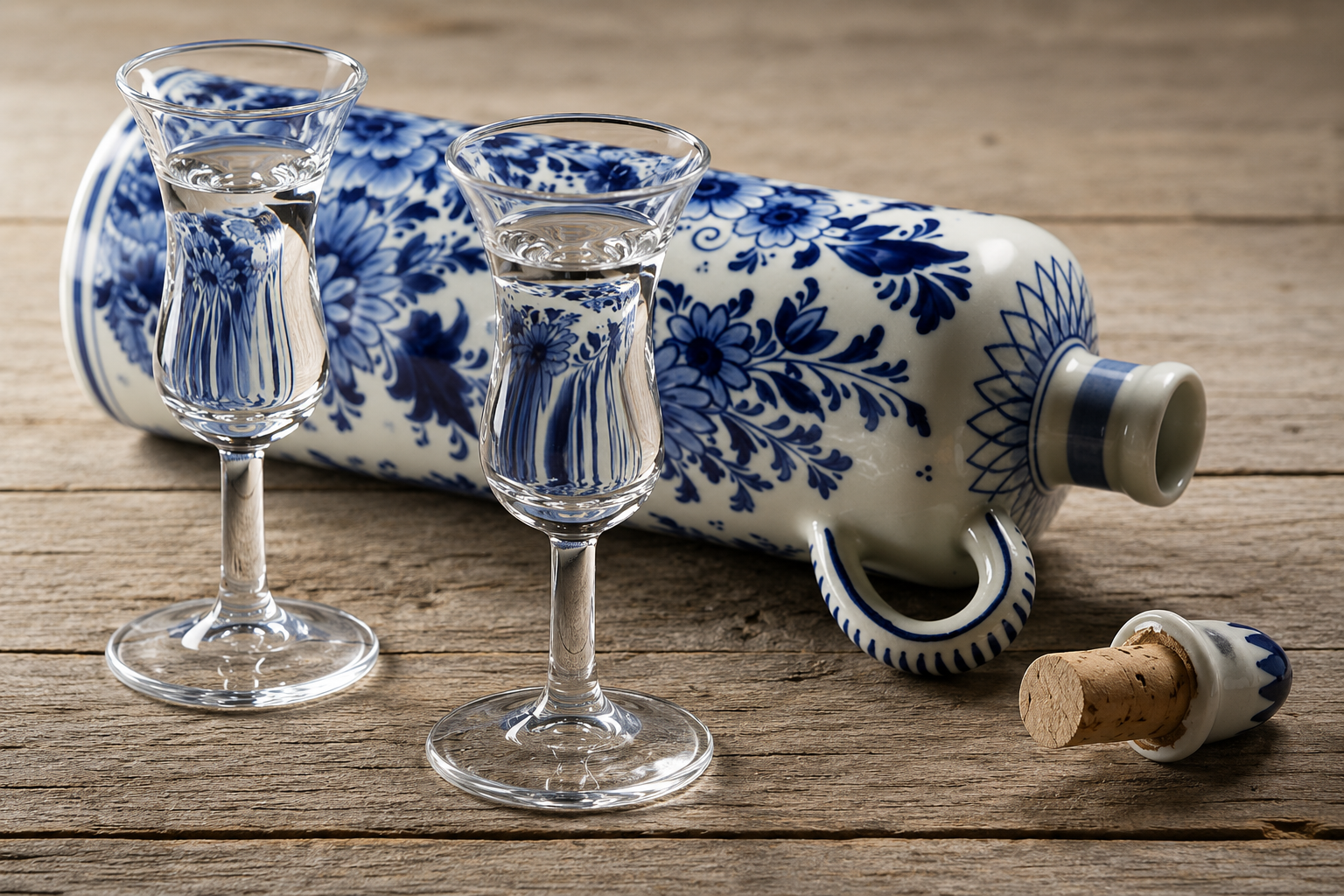
Guide 01
Start with the Low Countries: read the protected name, understand moutwijn, follow the botanical route, separate jonge from oude, then connect the production evidence to the glass.
Open the guideThis is the editorial structure the academy can fill over time. A topic becomes a public guide when the chapter is substantive enough to stand on its own.
Production structure
Read the base alcohol, moutwijn where applicable, botanical load, preparation, extraction, distillation, final assembly, wood and bottling strength as connected production decisions.
Highly rectified agricultural alcohol provides the base for most modern gin; Genever retains a defined moutwijn component.
In Genever, the proportion of moutwijn changes the contribution of cereal and fermentation-derived character.
The quantity of juniper and other botanicals affects aromatic intensity; Genever typically uses a lighter botanical charge than gin.
Species, plant part and preparation determine the aromatic material available for extraction.
Maceration and vapour contact expose botanical material to alcohol or vapour under different conditions.
Still design, reflux and cut points influence the composition of the collected spirit.
Final assembly can combine distillates, alcohol, water and permitted sweetening according to category and producer.
Ageing can add colour, wood-derived aroma and texture where the relevant category specification permits it.
Reduction with water sets final strength and changes aroma release and texture in service.
Back to the full map
Move across spirit families or into the cross-category foundations that connect production and sensory analysis.
Open Spirits Library