Whisk(e)y Library / Irish Category Guide
Irish
Whiskey
Law, Styles, Production & Service.
Irish Whiskey is a protected all-island category with three defined whiskey varieties, a distinctive Pot Still tradition, both pot and column distillation, and producer choices spanning double and triple distillation.
Scope This guide separates the legal GI from common practice. Pot Still, Malt, Grain and Blended routes are named whenever production diverges, and sensory descriptions are tied to observable evidence.
Explain double, triple, pot and column distillation accurately
Distinguish Pot Still, Malt, Grain and Blended Irish Whiskey
Connect cask, label and tasting evidence to practical service
Guide contents
Ten focused chapters. Read the legal identity first, then follow production into the cask, the label and the glass.
The law defines Irish Whiskey
Start with the protected geographical indication before producer style, brand language or flavour expectations.
What the current specification requires
Irish Whiskey is distilled on the island of Ireland, including Northern Ireland, from a mash of malted cereals with or without whole grains of other cereals. The mash is saccharified, fermented by yeast and distilled below 94.8% abv so the distillate retains aroma and taste from the materials used.
The final distillate matures on the island for at least three years in wooden casks no larger than 700 litres. Irish Whiskey is bottled at 40% abv or above. Water and plain caramel colouring are the permitted additions described by the current Technical File.
The GI defines one protected whiskey geography across the entire island of Ireland.
Production through maturation takes place on the island of Ireland.
At least three years of maturation in wooden casks.
Minimum bottling strength: 40% abv.
Connected knowledgeCompare the Irish GI with the legal production floor for Scotch Whisky →
The protected GI names include Irish Whiskey, Uisce Beatha Éireannach and Irish Whisky. Whiskey with an e is the customary modern spelling.
Read the style first
Pot Still, Malt and Grain are defined production varieties. Blended Irish Whiskey combines qualifying whiskey types.
| Style | Production anchor | What to remember |
|---|---|---|
| Pot Still Irish Whiskey | Malted + unmalted barley; limited other cereals; pot stills | The distinctively Irish cereal formula. “Single” identifies one distillery. |
| Malt Irish Whiskey | 100% malted barley; pot stills; peated or unpeated malt may be used | Double or triple distillation follows distillery practice. |
| Grain Irish Whiskey | Malted barley up to 30% + whole unmalted cereals; column stills | Maize and wheat are common grain cereals; unmalted barley can also appear. |
| Blended Irish Whiskey | Blend of qualifying Irish whiskey types | Blended identifies the combination of whiskey components. |
For Pot Still, Malt or Grain, “Single” identifies one distillery. A release can still contain whiskey from multiple casks.
Any stated age refers to the youngest whiskey in the drink.
Malt Irish Whiskey may use peated or unpeated malted barley. Peated Irish Malt therefore belongs within the legitimate flavour range of the category.
Pot Still makes Ireland distinctive
The current specification fixes a mash built around both malted and unmalted barley, then requires pot distillation.
Current Pot Still specification
The mash is the defining clue
Pot Still Irish Whiskey currently requires at least 30% malted barley and at least 30% unmalted barley. Up to 5% of other cereals such as oats or rye may be added within the current Technical File.
Malted barley contributes enzymes for starch conversion. Unmalted barley changes the physical mash and the flavour-active material entering fermentation. The current Technical File associates unmalted barley with spicy flavour and creamy texture. Fermentation, distillation and maturation continue shaping the finished whiskey.
Connected knowledgeCompare this mixed-barley route with Single Malt and Grain Scotch raw materials →
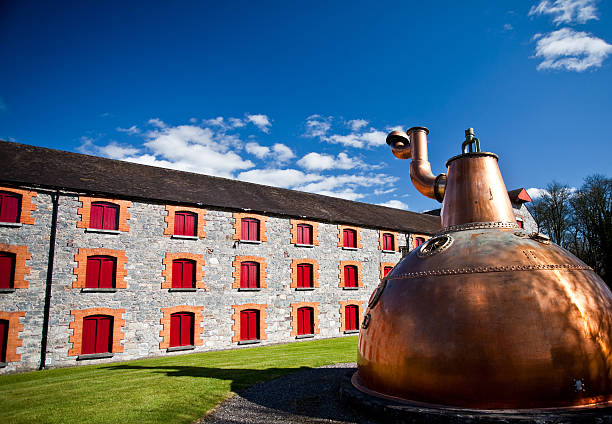
Malted barley
Provides malt enzymes and a major part of the cereal base.
Unmalted barley
A required part of the current Pot Still formula.
Other cereals
Current specification allows limited additions such as oats or rye.
Unmalted barley became increasingly important in nineteenth-century Irish pot-still distilling, partly because taxes made malted barley more expensive. Distillers retained the practice, and unmalted barley became central to the Pot Still tradition.
Single Pot Still means one distillery. The release may be assembled from multiple casks produced at that distillery.
From grain to wash
Milling, conversion and fermentation create the liquid that the still will later separate.
Different routes meet at fermentation
Whole cereals are milled, mixed with water and converted so fermentable sugars become available. Pot Still and Malt production are traditionally batch brewed.
Grain Irish Whiskey commonly uses maize or wheat with malted barley. The unmalted cereal is milled into flour and cooked at high temperature to gelatinise its starch. After cooling, malted barley and permitted enzymes support conversion into fermentable sugars.
The fermentable liquid is cooled and yeast is added. Alcohol, esters, higher alcohols, acids and other congeners develop during fermentation. Yeast strain, time, temperature, nutrient status and hygiene all influence what reaches the still.
Production / fermentation
What is wash?
Wash is the fermented liquid produced after brewing and fermentation. It contains alcohol and flavour-active congeners and becomes the feed for distillation.
Prepare the cereal so water and enzymes can reach the starch.
Create fermentable sugars with malt enzymes and other permitted natural enzymes.
Yeast produces alcohol and a complex mixture of aroma-active congeners.
The fermented liquid becomes the feed for pot or column distillation.
Batch conversion is traditional; the wort is collected before fermentation.
Cooking gelatinises maize or wheat starch before cooling and enzymatic conversion.
Cooking swells and gelatinises cereal starch, making it accessible to enzymes during conversion. This step is especially important for unmalted grain cereals such as maize and wheat.
Universal foundationFollow fermentable sugar, yeast and flavour-compound formation before the Irish wash reaches the still →
Continue · Chapter 05Distillation selects character →Distillation selects character
Irish Whiskey uses pot and column stills. Pot-distilled whiskey can follow two-stage or three-stage distillation sequences.
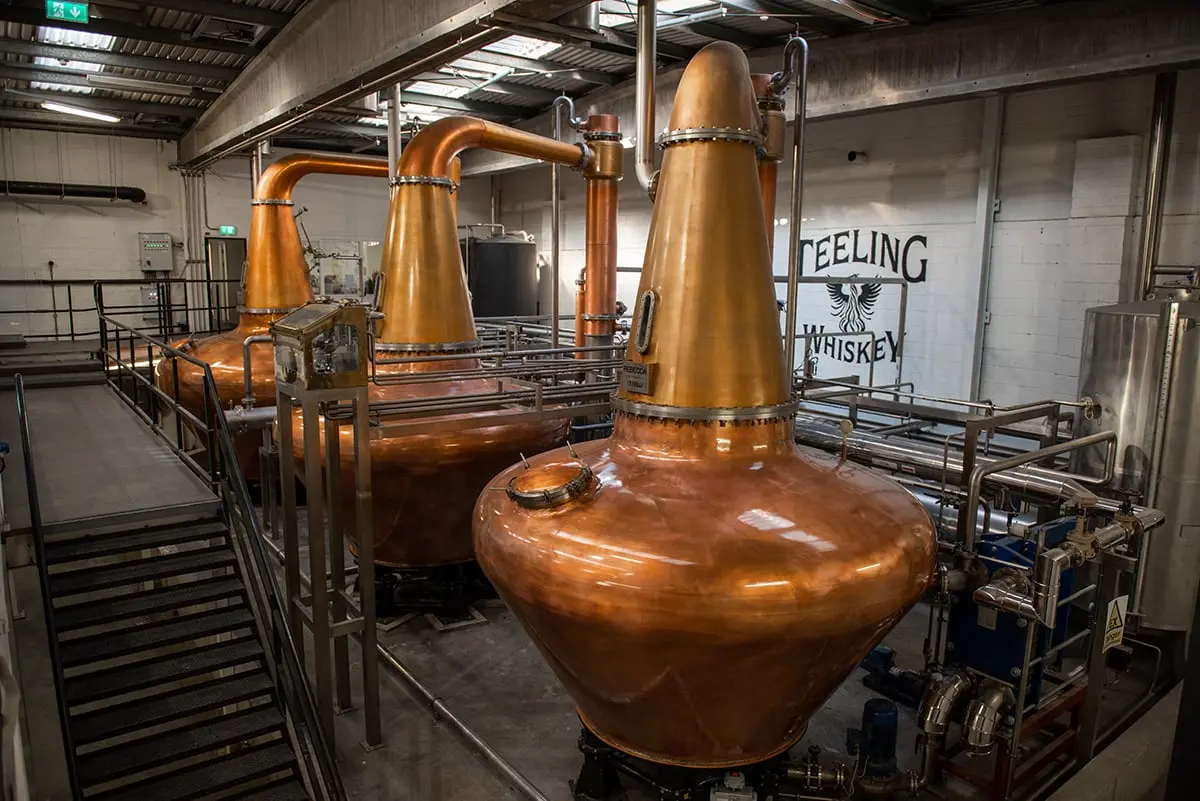
Pot still route / triple distillation
Three stages when triple distillation is used
Fermented wash is distilled into low wines.
The low wines are distilled again and separated into further fractions.
Selected fractions are distilled a third time and the final heart is collected for maturation.
Connected knowledgeCompare Irish double and triple pot distillation with Scotch malt and grain routes →
Wash becomes low wines in the first stage. The second stage separates heads, heart and feints, with the heart selected for maturation.
Low wines pass through a second feints stage before the third spirit still. The final centre cut is selected at the third stage.
Grain route / column distillation
Columns build a different spirit stream
Grain Irish Whiskey is distilled through column stills. Two-column systems commonly use a beer column and rectifying column. Three-column systems can add an extractive distillation stage before final rectification.
Draw-off points and side-stream removal allow producers to create grain spirits ranging from very light and delicate to more flavourful. The current Technical File describes final grain spirit at approximately 94.5% abv in typical systems.
At Midleton, hydroselection is used within a multiple-column system to remove selected fusel-oil fractions before further rectification.
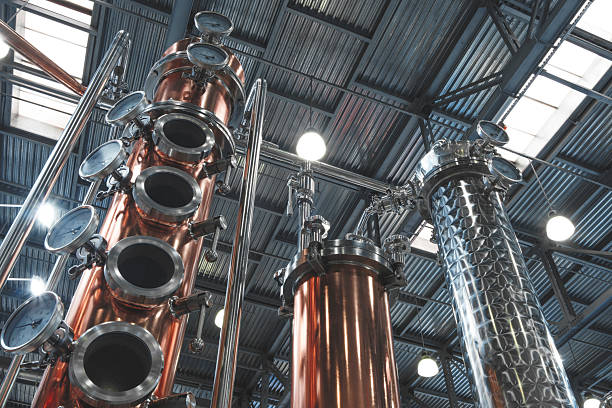
Irish producers use both double and triple pot-distillation sequences. Triple distillation is a strong Irish tradition and remains a producer choice within the category.
Universal foundationReview batch distillation, reflux, copper contact and fraction selection before comparing Irish distillation routes →
Comparison 01Compare pot and column operation directly, then return to Irish Pot Still, Malt and Grain production →
Continue · Chapter 06Casks transform the spirit →Casks transform the spirit
Wood, cask history, time, warehouse conditions and climate work together during maturation on the island.
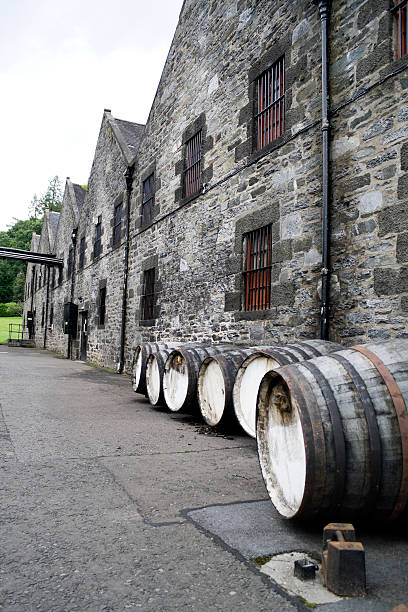
Wooden casks, many histories
Chapter 01 established the legal maturation requirement. The practical variables here are cask history, previous fill, wood treatment, size, time and warehouse conditions.
First-fill casks generally offer more available extract from their previous use and wood treatment. Refill casks often act more gently. Finishing adds a later period in another cask to change the final balance of aroma, flavour and colour.
New wooden casks and seasoned casks previously holding drinks such as Bourbon, Sherry, Port or Madeira can be used.
Seasoned ex-American whiskey casks form a major maturation foundation at many producers, with Sherry and other wine or spirit casks adding further maturation and finishing options.
Wood-derived compounds enter the spirit, contributing colour, vanilla-like, spice, toast, tannin and other cask-linked character.
Water and ethanol slowly leave through the cask. This volume loss is the angel’s share and varies with storage conditions.
Slow oxygen exposure supports reactions that can soften some harsher notes and change aroma composition over time.
Acids and alcohols can continue forming esters during maturation, contributing to the evolving fruity aromatic profile.
Climate / maturation
Mild, damp and maritime
Ireland’s Gulf Stream-influenced climate moderates seasonal temperature extremes. Humidity, temperature, airflow and warehouse position affect evaporation and how quickly spirit interacts with wood.
Universal foundationPlace cask history, wood treatment, warehouse conditions and time inside the wider maturation system →
Continue · Chapter 07Where Irish Whiskey is made →Where Irish Whiskey is made
The Irish Whiskey GI covers the entire island. Geography helps you place distilleries, brands and maturation sites.
All-island GI
One protected whiskey geography
The protected area covers Ireland and Northern Ireland. Location connects a whiskey to its production and maturation site. Style, mash bill, still type and cask history then explain how that whiskey was made.
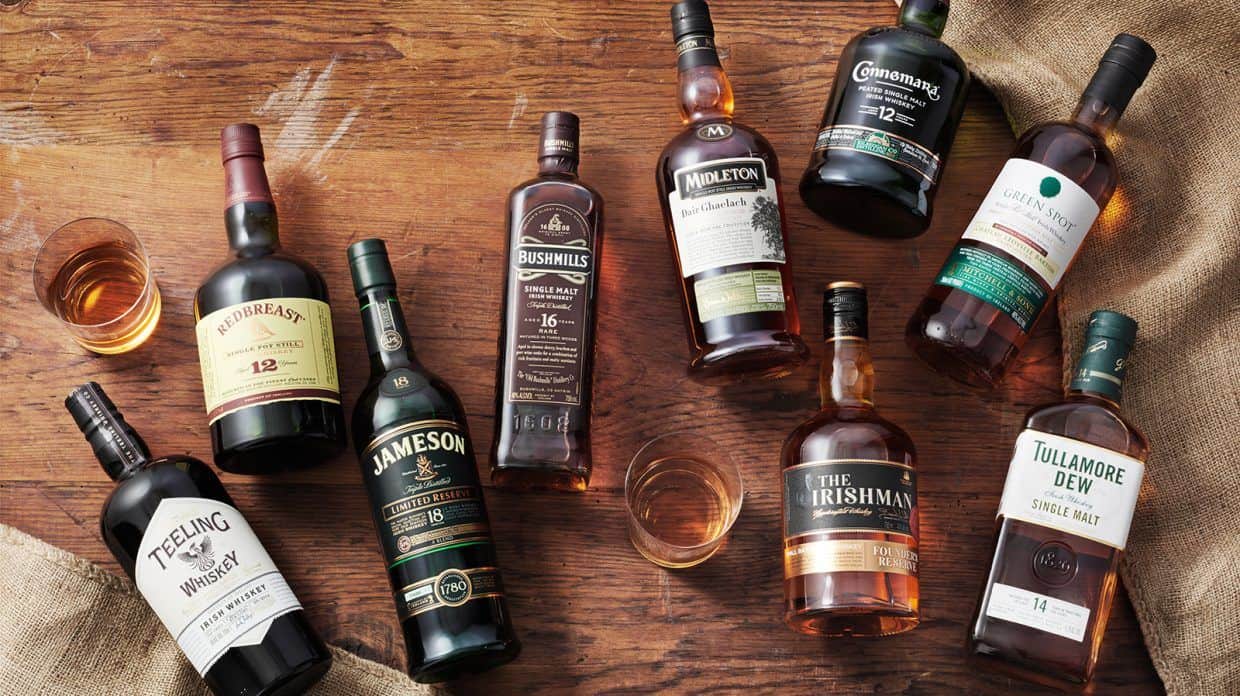
Irish whiskey names to know behind the bar
Learn the name, where it comes from and the production idea it helps you explain to a guest.
Midleton · Jameson
Jameson is made at Midleton. The site is a key reference for modern Pot Still, Grain and blended Irish whiskey production.
Bushmills
A strong reference for 100% malted-barley Irish whiskey and triple pot distillation.
Teeling
A practical example of Dublin’s modern distilling revival, with contemporary Malt and Pot Still production.
Tullamore D.E.W.
A useful bottle for explaining how Malt, Pot Still and Grain components can come together in a blend.
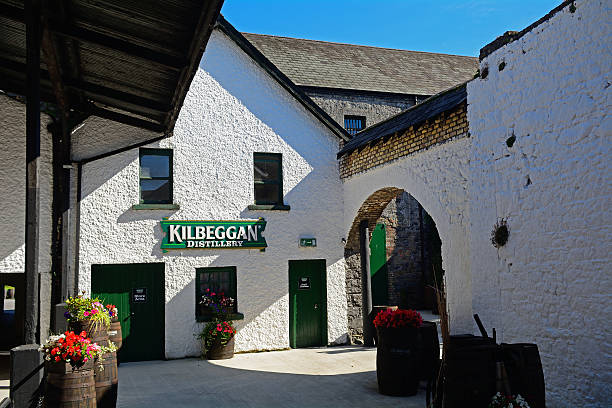
Kilbeggan
Its double-distillation story gives you an easy example of the production diversity found across Irish Whiskey.
Dingle
An independent distillery producing Single Malt and Single Pot Still releases across varied cask programs.
Echlinville
A field-to-glass example built around barley grown, harvested and malted on its own farm.
Boann
Its Vintage Mash Bill Project connects current distilling with research into historic Irish Pot Still grain recipes.
History explains the category
Irish Whiskey’s present diversity becomes clearer through its language, Pot Still tradition, continuous distillation, contraction and revival.
History is useful when it explains production
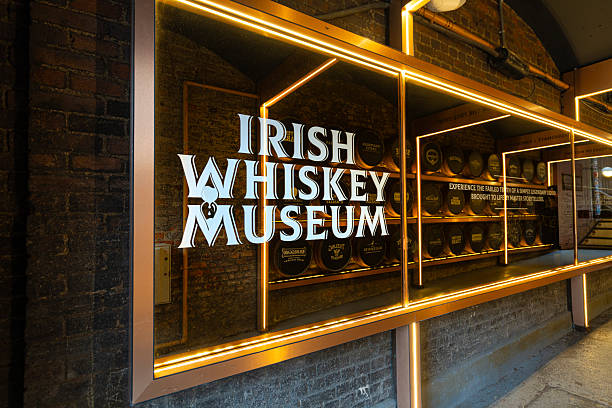
Historic records use the Irish term uisce beatha, meaning “water of life”, and the pronunciation later evolved into the English word whiskey. Production history then explains why Pot Still mash bills, large copper stills, column distillation and blending all belong to the modern category.
Irish whiskey history includes growth, severe contraction and a long revival. These changes altered the number of producers and the production choices available while preserving the main Pot Still, Malt, Grain and blended traditions.
Large-scale pot still distilling
Irish distilleries worked with varied mash bills and very large pot stills. Malted and unmalted cereals became central to the Pot Still production identity.
Aeneas Coffey patents continuous distillation
The Irish excise official Aeneas Coffey developed and patented an efficient continuous still system, a major technical step in the wider history of grain whiskey production.
Severe contraction
Export disruption, Prohibition, political and economic change, consolidation and shifting global preferences reduced the number of active producers dramatically.
Continuity through fewer sites
A smaller production base preserved major Pot Still, Malt, Grain and blended traditions while the category rebuilt international demand.
Revival and experimentation
New distilleries across the island have expanded production geography, cask programs and interest in historic mash bills while operating inside the GI framework.
Historical Irish Pot Still recipes could be more diverse than the current specification. The 2026 Technical File review is examining proposed changes; the registered specification remains the legal reference for this guide.
Read the release in order
Style, age, cask, strength and producer information become clearer when you read them in a fixed sequence.
Assembly prepares the release
A blender may combine whiskey types for a Blended Irish Whiskey, or assemble multiple casks within one style to achieve a target profile and consistency. Marrying and batch assembly can occur within Single Malt, Single Pot Still or Single Grain while the legal style remains unchanged.
Water may be added to reach bottling strength, provided the whiskey remains at least 40% abv. Plain caramel E150a may be used for colour adjustment. Many producers use chill filtration; others bottle without it. Bottling can take place outside the island under verification controls, while maturation remains on the island.
Production / blending palette
One distillery, multiple spirit streams
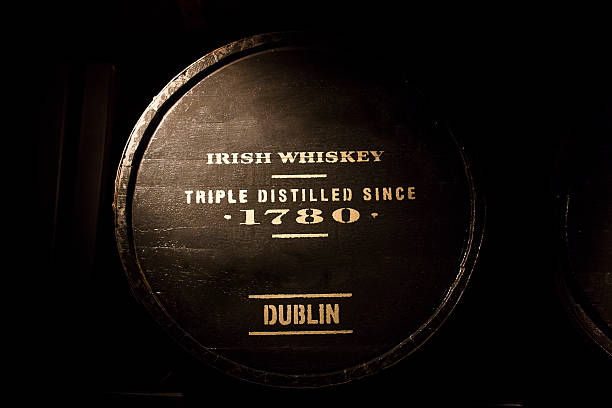
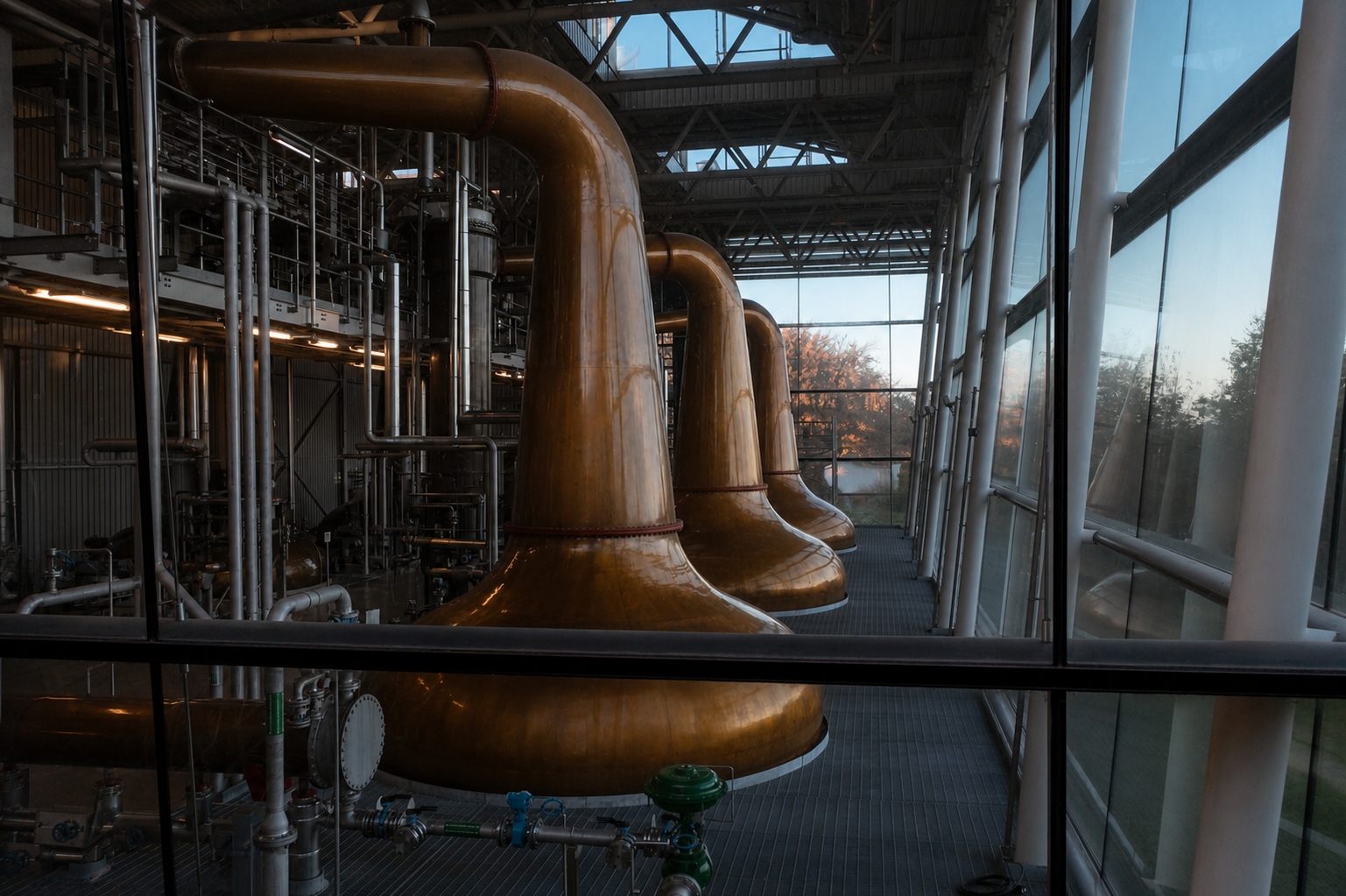
Large Irish distilleries can vary mash bill, pot or column distillation, cut points and maturation to create different whiskey components. Midleton is a useful example of a site producing Pot Still and Grain distillates for a broad range of releases.
This production diversity explains how whiskeys from the same distillery complex can show very different structure, texture and flavour once different spirit streams and casks are assembled.
A release can omit an age statement while every Irish Whiskey component still meets the minimum maturation requirement.
Cask history and permitted plain caramel can both influence appearance. Assess age and quality from separate evidence.
Taste and serve from evidence
Observe first, then use production knowledge to test an explanation and make service choices confidently.
Use a repeatable tasting method
Observe appearance, nose, palate, texture and finish before deciding why the whiskey tastes that way. Start with broad families, narrow to specific descriptors, then connect only when the label or verified production information supports the explanation.
A small water trial can be useful in comparative tasting because dilution changes how volatile compounds move into the headspace. Treat water as an optional comparison and observe what changes.
Connected knowledgeSee why dilution can change aroma release, alcohol intensity and texture →
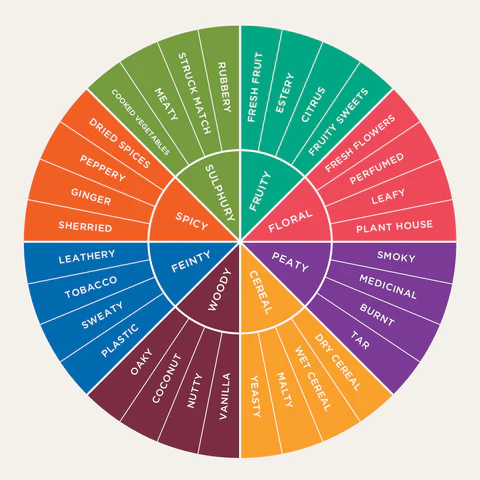
Start broad, then get precise
Use the wheel as vocabulary. Build sensory conclusions from what the whiskey actually shows, then connect them to mash, fermentation, distillation and cask history.
Colour chart
Record colour as appearance. Assess age or quality from separate evidence.
Worth noting: maturation cask, previous fill, time and permitted plain caramel colouring can all influence appearance.
Serve the guest
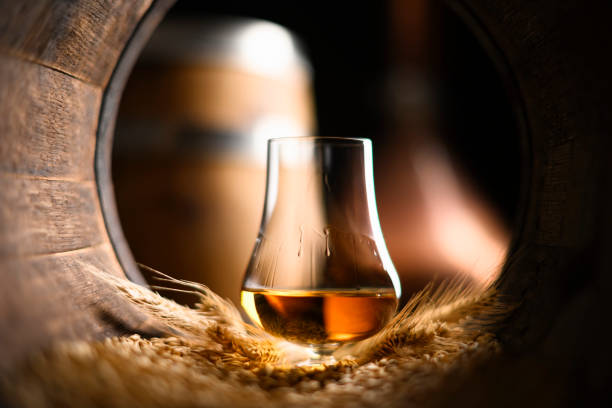
For focused tasting, a tulip or nosing glass concentrates aroma and makes comparison easier. A tumbler remains a normal drinking glass. Offer water, ask whether the guest wants ice and follow their preferred serve.
Best when the goal is aroma comparison and structured tasting.
Offer alongside the whiskey so the guest can dilute or compare if they wish.
Guest preference. Ask first and follow the requested serve.
Classic service
Irish Coffee
50 ml Irish Whiskey · 120 ml hot coffee · 50 ml chilled fresh cream · 1 tsp sugar.
Warm, sweeten and combine the coffee and whiskey, then float the chilled cream.Classic service
Tipperary
50 ml Irish Whiskey · 25 ml sweet red vermouth · 15 ml Green Chartreuse · 2 dashes Angostura bitters.
Stir with ice, strain into a chilled cocktail glass and garnish according to house specification.Check yourself
What should come first in professional tasting: description or production explanation?
Think first. Say the answer in one sentence.
Description comes first. Production knowledge is used afterward to test and support the explanation.
Behind-the-bar recap
Read the bottle
- GI and style first
- “Single” identifies one distillery; releases may contain many casks
- Age = youngest whiskey in the drink
- Cask and strength add evidence
- Pot-distilled Irish Whiskey may use two or three stages
Behind-the-bar recap
Read the glass
- Observe before you explain
- Start broad, then narrow descriptors
- Colour is an appearance observation
- Water is an optional comparison
- Serve according to the guest
REFSources & Further Reading
Primary legal, technical, research and trade references behind this Irish Whiskey guide. Legal definitions were checked against the current sources on 13 August 2026.
Law & verification
Irish Whiskey Technical FileEuropean Commission · operative GI product specificationRegulation (EU) 2019/787EU · whisky/whiskey category frameworkDAFM · Irish spirit GIsGovernment · technical files and GI framework2026 Technical File consultationGovernment · proposed amendments; not current law until adoptedRevenue GI verificationRepublic of Ireland · official verification schemeHMRC Irish Whiskey verificationNorthern Ireland · official verification guidanceProduction & trade
Irish Whiskey Association · regulationsTrade · readable regulatory orientationExperience Irish Whiskey · On-Trade HandbookTrade education · production, service and hospitalityIrish Whiskey Knowledge HubTrade · labelling, production and market resourcesFionnán O’Connor · historical Irish mash billsTU Dublin research · production historyWSET Level 3 Award in SpiritsAdvanced study · production choices, style and qualityTeeling · Single Pot StillOfficial producer example · Dublin triple pot distillationSensory & service
Edinburgh Whisky Academy · Irish Whiskey Flavour WheelSensory education · category-specific flavour vocabularySources of Volatile Aromatic Congeners in WhiskeyResearch · aroma formation across productionImpact of Dilution on Whisky AromaResearch · sensory and volatile effects of water additionIBA · Irish CoffeeOfficial cocktail specificationIBA · TipperaryOfficial cocktail specificationThe takeaway
Read the style.
Then read the whiskey.
Irish Whiskey is defined by its GI, production style and maturation rules. The glass tells you how those choices actually express themselves.